
A Review of the 9 Best Watermelon Varieties for Growing in Siberia
Content
Peculiarities of growing watermelons in Siberia
As mentioned earlier, the Siberian region doesn't boast the consistently high temperatures necessary for berry growth and development. Therefore, berries are grown in greenhouses, and open ground is out of the question. It's best to use sturdy greenhouses—glass, polycarbonate, or two- or three-layer film.
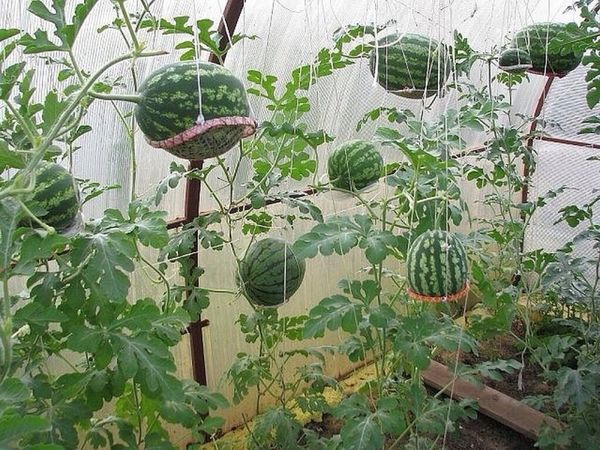
Furthermore, while gardeners in southern latitudes can plant watermelon seeds directly in open ground, in Siberia they are planted from seedlings. Before transplanting seedlings into the ground, it's important to check the weather forecast and measure the soil temperature, which should be at least 15 degrees Celsius. Maintaining the correct humidity in the greenhouse will also require some care. Overall, growing and caring for this berry in northern climates boils down to choosing the right watermelon variety.
Chilly
The variety's name speaks for itself: Kholodok truly tolerates fairly low temperatures well, making it popular among northern gardeners. There's no better watermelon variety for Siberia, as Kholodok is an early-ripening variety with a growing season of no more than 85–100 days.
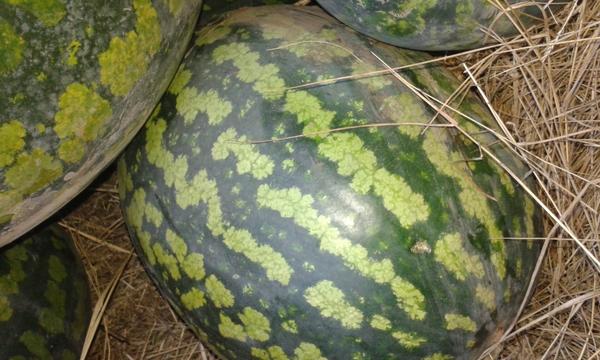
The rind of the Kholodok is dark green, with medium-sized, malachite-colored stripes. The fruit is round and can weigh up to 7 kg. The flesh is red, juicy, and sweet.
The main advantages of the variety are its long shelf life (up to 1 year) and good transportability.
Ultra-early
This watermelon is even earlier ripening than the Kholodok variety, with a growing season of only 80 days. In the south, the Ultra-early variety can be grown directly in open ground, but in the north, it's best grown in a greenhouse, especially since it's ideal for that purpose. Under cover, the seedling develops only a single stem, making this variety more compact.
The fruits are spherical, dark green, with thin, sparse stripes across the entire surface. The flesh is very sweet, tender, and scarlet, with a medium-sized grain count. Ultra-early fruits weigh between 4 and 6 kg.
Photon
Photon is a mid-early variety, ripening in 80 to 100 days. Furthermore, this variety has many advantages over other, earlier varieties. Among Photon's advantages are its undemanding soil conditions, resistance to many diseases, and attractive color. The fruit's rind features alternating bright green and light green stripes, and the flesh beneath is tender and juicy, with a moderate number of seeds. A single watermelon can weigh 3–6 kg.
Charleston Gray
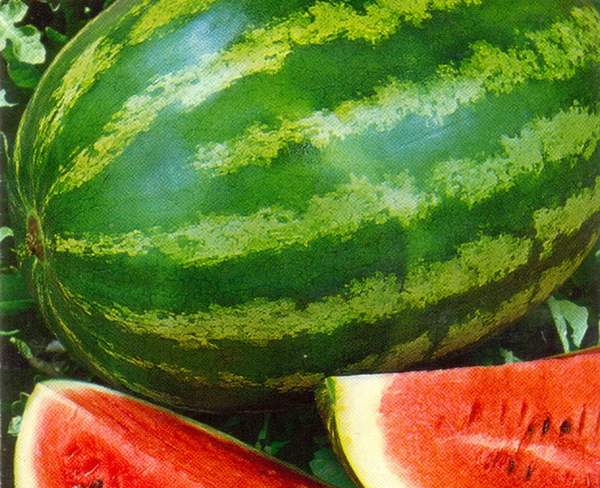
Charleston Grey watermelons are easy to spot at the market. If you see light green, elongated fruits reminiscent of overgrown zucchini, you're right – you're looking at the mid-early Charleston Grey variety. Besides its unusual shape, this variety boasts excellent flavor and is easy to care for. Some gardeners in Siberia have even managed to grow watermelons of this variety weighing up to 10 kg outdoors.
SRD-2 Super Early Dyutina
Perhaps the earliest variety of all presented – from the moment of sowing to the moment of harvest no more than 60 days pass. In addition to this advantage, this variety boasts resistance to powdery mildew, aphids, and anthracnose. The ultra-early Dutina variety has a beautiful coloring—dark stripes alternate with bright green, spiky stripes. The flesh is scarlet and high in sugar. Fruits from this variety can grow up to 5 kg in weight.
Siberian Lights
The Siberian Lights watermelon was bred specifically for the region of the same name and has several advantages over its southern counterparts: it tolerates low temperatures, low sunlight, and drought. Furthermore, the variety is resistant to fusarium wilt, and ripe fruits are easy to transport. Siberian Lights fruits are round, dark, and lack pronounced stripes. The flesh is red, with few seeds. A single watermelon weighs approximately 4 kg.
Siberian giant
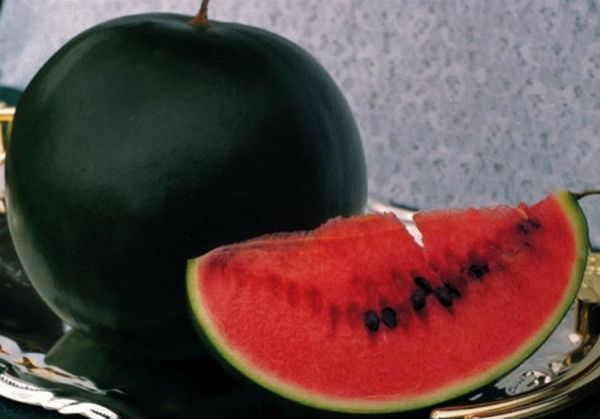
The Siberian Giant watermelon is another variety bred for northern latitudes. What are its advantages? Frost resistance, size, shelf life, and attractive appearance are just a few of its many benefits. In addition to round fruits with an interesting coloring featuring "spiky" stripes, you'll get berries weighing up to 7 kg with very sweet, firm flesh.
Ultra-early
Watermelons of this variety are hybrids bred for cold conditions. This crop boasts a long shelf life, resistance to powdery mildew and anthracnose, and low maintenance. With simple care, you'll get round, dark-green fruits with fine stripes across the surface and sweet raspberry flesh beneath the rind.
Eureka F1
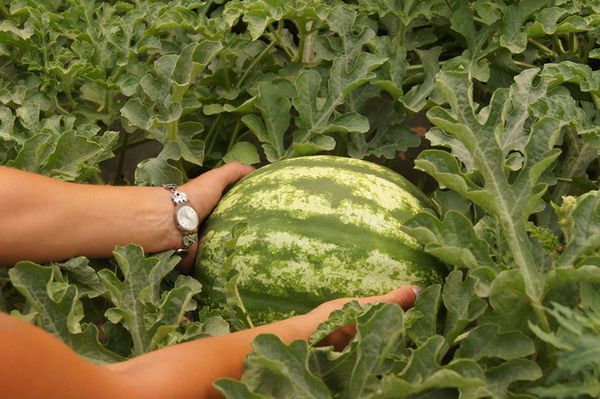
A variety with very large oval fruits, which can weigh up to 14 kg. Eureka F1 plants thrive in dry and cold climates, are resistant to fusarium and anthracnose, and have a long shelf life. With the right variety, even in Siberia, it's possible to harvest large, sweet watermelons.
Video: Growing Watermelons in Siberia
In this video, you'll hear helpful tips for growing watermelons in Siberia.