
How to properly graft a watermelon onto a pumpkin
Content
Why is vaccination necessary?
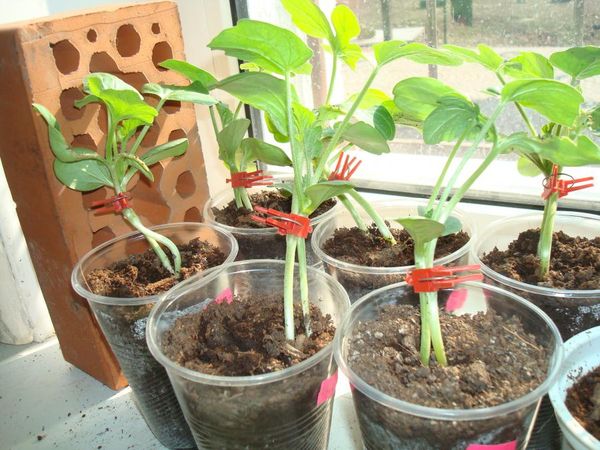
Why graft? Plants are grafted when one has a well-developed, strong root system but produces little fruit, while the other strives for abundant harvests but has a weak root system. The second crop is often watermelon, whose underground parts are often susceptible to fusarium wilt, leading to the death of entire melon plantations.
The fusarium wilt problem was solved at the end of the last century. It was then that watermelon began to be grafted onto bottle gourds. Why did they choose pumpkins? First, this member of the melon family is resistant to fusarium wilt. Second, its root system is strong and well-branched. Third, the crop doesn't require constant crop rotation. Fourth, pumpkins exhibit high tolerance to water and heat stress. And fifth, they can produce abundant fruit even in heavy soils with low fertility.
Watermelon is usually grafted onto pumpkin lagenaria, as this plant is considered the best rootstock. However, it can also be successfully replaced with some varieties of common pumpkin. Furthermore, rootstocks have been developed specifically for specific purposes—for larger fruits or for growing in cooler climates.
Necessary tool
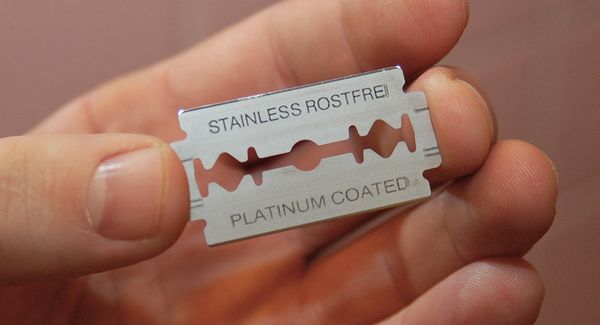
The success of grafting directly depends on the correct choice of tool. The most important requirements for a tool are sharp and clean. A poorly sharpened tool will not cut the cambium; it will only crush it. This will prevent moisture from penetrating the tissue, slowing down mitosis, and causing the scion to dry out. This is why many gardeners use a razor blade for grafting, wrapping one half of it in fabric.
It's also important to ensure full contact between the rootstock and the scion. It's important that the membranes touch as many cells as possible. This is usually achieved by tying the rootstock with hemp thread, which is tightly wrapped around the junction. Bandages, bast, or strips of cellophane can be used instead of thread. After tying, the material is pressed firmly with special clips.
4 methods of grafting
How to graft a watermelon onto a pumpkin? Watermelons take longer to germinate, so the pumpkin should be sown 5 days later. Once both plants have developed a pair of true leaves, grafting can begin. How to graft a watermelon correctly? There are 4 main grafting methods.
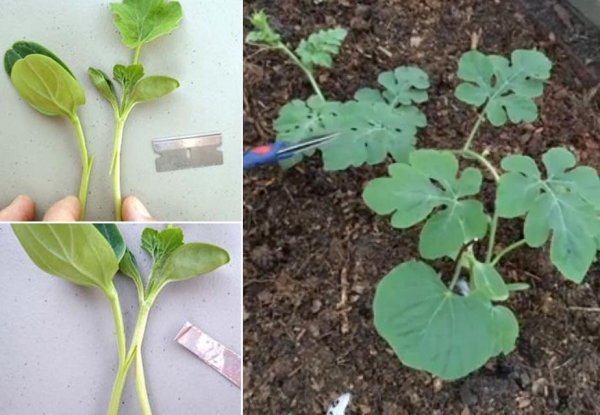
The first and most commonly used method is the tongue grafting method. Grafting a watermelon onto a pumpkin using the tongue grafting method ensures that the watermelon will survive for a short time on its own root system. To achieve this, the plants should be placed close together and diagonal cuts should be made below the cotyledons. The pumpkin is cut from top to bottom, while the watermelon is cut vice versa. The maximum length of the cut is 0.8 centimeters. The cut should reach the core of the stems. This creates "tongues" that should be secured together. After a week, the stem below the cut is pressed with your fingers, and after another two or three days, it is cut off.
The second technique is Chinese. It involves removing a young pumpkin bud and making a deep, centimeter-long cut in its place. A watermelon shoot is cut below the cotyledons, so that the stem resembles the tip of a screwdriver, and then placed into the cut. This method is called cleft grafting.
The third method involves making a side cut below the pumpkin's cotyledons. The watermelon stem also needs to be cut flat. The cut length is calculated so that the slice fits easily into the cut.
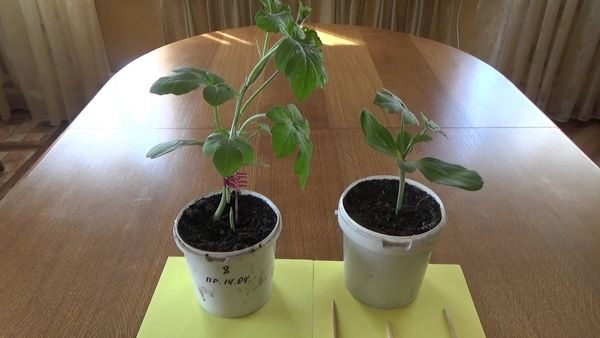
Sometimes gardeners graft watermelons using the final method—butt grafting. This involves removing the growing tip and one cotyledon leaf. The blade should be used to create a long cut. The watermelon seedling should be cut a couple of centimeters below the cotyledons at the same angle. The stems should then be joined together.
After performing the procedure using any of the above methods, you need to securely and tightly tie the connection point, securing it with a clip.
This procedure not only helps to compress the tissues of both plants but also protects the junction from bacteria. The ligature can be removed after two weeks, when the stems have firmly fused. Experienced gardeners often graft onto zucchini. This crop is closely related to pumpkins, so the success of this procedure is quite justified. Sometimes, calabash is used as a rootstock for watermelon.
Caring for a grafted watermelon
Watermelons require special care after grafting. If the weather is favorable, the grafted plant can be planted in unprotected soil. If it is not possible to protect the seedlings from adverse conditions, they should not be planted until late spring.
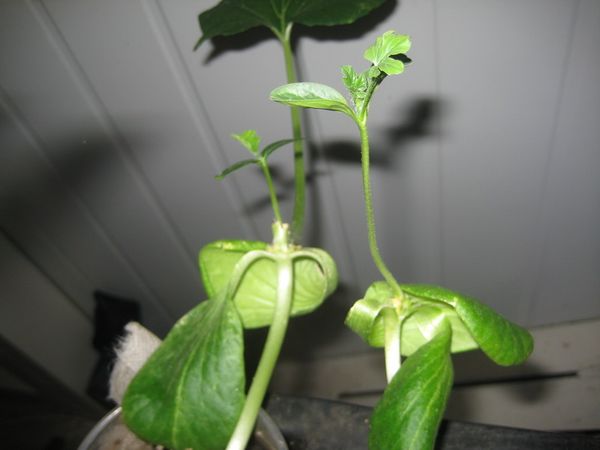
Watermelons require a well-lit spot. They thrive in full sun and even partial shade is detrimental. When planting, add a bucket of compost and half a kilogram of ash to the hole. Mix the fertilizers together, water, and place the sprouts in the resulting mixture. Top the soil with a generous mulch of grass.
During fruit growth, it's important to water the plant properly. If the summer is dry, watermelons should be watered at least once a week. Keep the area moist enough to avoid soaking the tops. Feed the watermelon with a plant infusion. The plant produces fruit quickly. As soon as the fruit stops growing, stop watering. Therefore, grafting a watermelon helps prevent potential negative effects during cultivation.
Video: "Grafting a Watermelon onto a Pumpkin"
In this video, you will hear useful tips on grafting a watermelon onto a pumpkin.