
How to grow the early-ripening Ogonyok watermelon variety
Content
Description of the variety
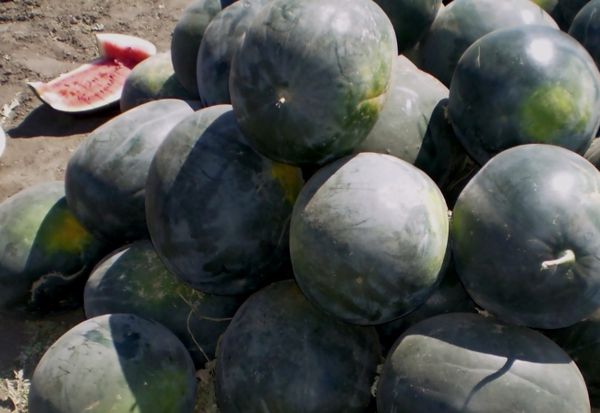
The well-known Ogonyok watermelon is a highly successful result of domestic breeding. As it grows, the plant produces numerous, thin stems that branch repeatedly. Young bushes grown in a greenhouse or a regular garden bed typically have drooping stems. Stiff, triangular-ovate leaves form on the shoots. They are drooping and borne on elongated petioles. They are arranged alternately on the stems.
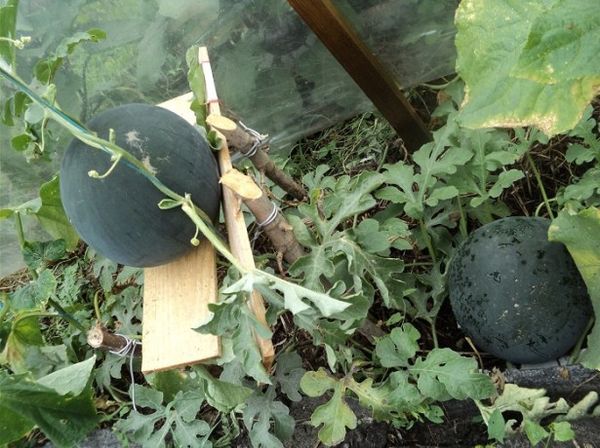
The bush blooms with yellow male and female flowers, each topped with a boat-shaped bract. The roots extend up to a meter deep.
The description of the variety includes the following points:
- fruits are round;
- their sizes are small;
- the average weight is about 2.5 kg;
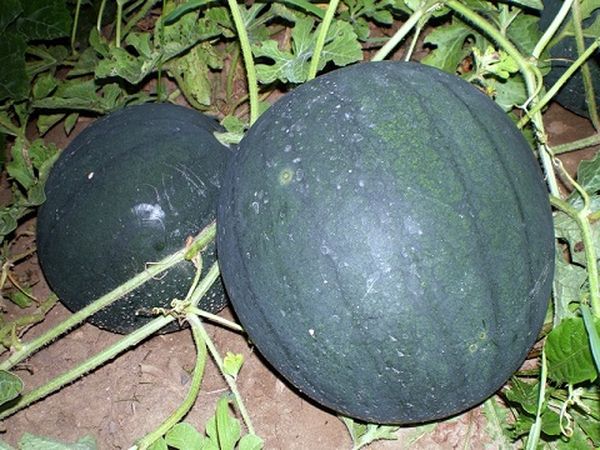
- The peel is thin and dark green in color;
- The flesh is juicy and aromatic. It tastes very sweet. It is characterized by a bright red color;
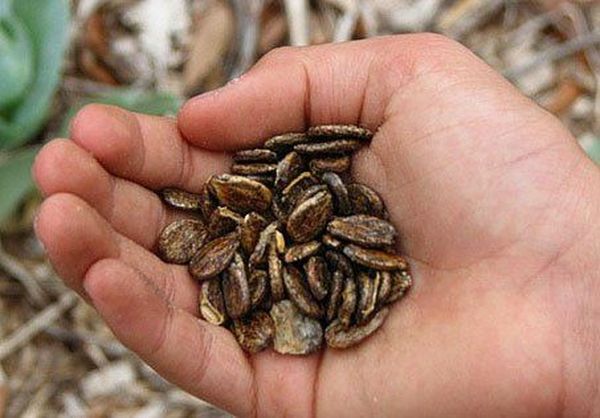
- the seeds are small.
Fruiting is early. It takes about 85 days for watermelons to ripen. However, some reports suggest harvesting can be done between 71 and 87 days.
Today, the variety is actively grown in the Moscow region, the Urals, Siberia and other regions of the country..
Main characteristics
The Ogonyok watermelon variety, which can be grown in a greenhouse or a regular garden bed in various regions (Siberia, the Urals, the Moscow region, etc.), has favorable growing conditions. This variety is adapted to the Siberian climate thanks to the following characteristics:
- cold resistance;
- early maturity;
- high yield;
- immunity to diseases (eg fusarium leaf wilt and anthracnose).
It is worth noting that the method of growing this species depends on the climatic features of the region. For example, in the Moscow region, Ogonyok can be grown both in regular soil and in a greenhouse. However, in Siberia or the Urals, it should only be grown in a greenhouse.
This watermelon can also be grown in a greenhouse in southern regions. This will slightly speed up the ripening process and allow you to harvest your first crop earlier than expected.
Features of cultivation
As noted above, the weather conditions of the growing location determine the method of growing a given crop. Therefore, if the weather is unstable or prone to late frosts (for example, in Siberia, the Urals, the Moscow region, etc.), it's best to avoid risks and plant seedlings or seeds in greenhouse soil.
Planting seeds in open ground is only done when the soil temperature reaches 12 degrees Celsius. To accelerate germination, the seeds are germinated and treated with a growth stimulant.
Once the seeds have sprouted, they are sown in holes at a depth of 7–8 cm. Before sowing, the soil should be amended with compost, ammonium phosphate fertilizer, and ash. After this, water is added to the hole. Several seeds should be placed in each hole. They are then covered with soil and lightly compacted.
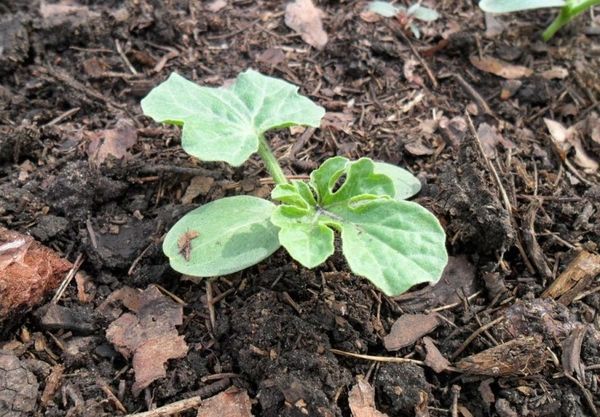
Watering the beds should only begin after the first sprouts have appeared. Otherwise, the resulting crust will prevent the seeds from germinating.
The Ogonyok watermelon variety, grown from seedlings, requires a slightly different approach. Sprouted seeds are planted in peat pellets or plastic cups. In this case, 12 hours of light is required for germination. After emergence, the seedlings are watered and fertilized regularly. Once the seedlings have developed a pair of true leaves and are strong, they are transferred to the ground (outdoors or in a greenhouse). Before planting, the seedlings need to be hardened off.
Young plants are planted 60 cm apart, with a 1 m gap between rows. The holes are the same size as when sowing seeds. The soil around the planted seedlings is covered with sand. This will help protect the seedlings from rot.
Next, water the plants and, when the leaves begin to wilt, shade them from sunlight. The shade is removed only after the leaf blades regain their elasticity. Fertilize the plants several times throughout the season.
Now that we've covered how to grow this variety of watermelon, we need to figure out how to harvest the ripened crop.
Harvesting and storage
Once the beautiful, round fruits have been grown, you need to identify those that are ripe and begin harvesting the first crop.
The Ogonyok watermelon produces ripe, dark-green berries in August. A distinct pattern appears on the rind to indicate ripeness. Around the same time, the plant's leaves begin to dry out. Ripe fruits are round and weigh approximately 3 kg.
You can also determine a watermelon's ripeness by its yellow spot and dry stem. Ripe berries produce a dull sound when lightly slapped on the surface.
Once the ripe harvest has been identified, we begin harvesting. This is done carefully to avoid damaging the plant, which will continue to bear fruit.
The fruits of this variety should be consumed fresh. They are not suitable for long-term storage. In a cellar, they can be kept for only one month.
Pros and cons
Ogonyok, like all varieties of this crop, has clear advantages. These include excellent tolerance to low temperatures and a strong immune system. With proper care, this variety rarely suffers from diseases or pests. It also boasts high yields.
This variety has no obvious drawbacks. This characteristic has made the Ogonyok watermelon very popular and sought after. After all, it's one of the few unpretentious watermelon varieties that can deliver an abundant, tasty harvest even when grown in the northern regions of our country.
Video "Watermelon Fire in the Greenhouse"
This video will teach you about the Ogonyok watermelon variety and how to plant it in a greenhouse.