
How to choose a ripe and tasty watermelon
Content
When it's time for watermelons
Of course, fruits grown in our greenhouses and in other countries grace store shelves year-round. But first and foremost, it's important to understand that you won't find a ripe watermelon in May or June. And this is perhaps the most important rule: don't rush to buy summer berries, as their ripening period doesn't begin until late July at the earliest.
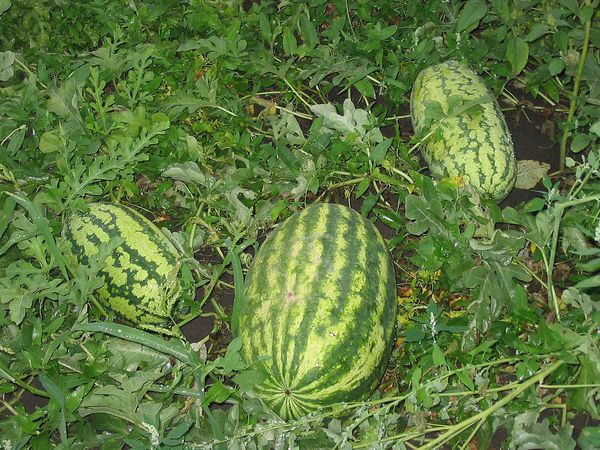
To sell their fruit faster, unscrupulous agronomists use chemicals to boost berry growth, applying them a week before ripening. However, the final treatments should be carried out 20–25 days before harvest, otherwise you or your children will ingest all the chemicals.
Ripeness by appearance
Breeders have developed a wide variety of varieties with distinct flesh colors: red, pink, yellow, and white. But there's not yet a single variety that changes rind color or texture depending on ripeness. However, there are still some secrets to choosing a good watermelon. These tips can help you determine ripeness by its appearance:
- the pattern on the bark should be clear and uniform (blurred patterns may be a symptom of viral mosaic);
- Ripe berries have a glossy, hard skin that is difficult to pierce with a fingernail;
- there should be no juice coming out of the peel;
- the berry should not have any dents.
Folk experiments have shown that a good fruit has large distances between the dark stripes on the skin.
Choosing a watermelon by size
You can choose a ripe and sweet watermelon by paying attention to its size and shape. But first, you need to decide how to choose a nitrate-free watermelon. First, you need to understand what nitrates are. They are salts and esters of nitric acid, which have a detrimental effect on the human body. They accumulate in plants due to frequent handling. This is especially dangerous if growers handle the fruit just before harvesting.
How to choose a sweet watermelon, not one with nitrates? Identifying a nitrate-laden berry is very easy. The main signs are the fruit's perfect shape, intense color, and enormous size.
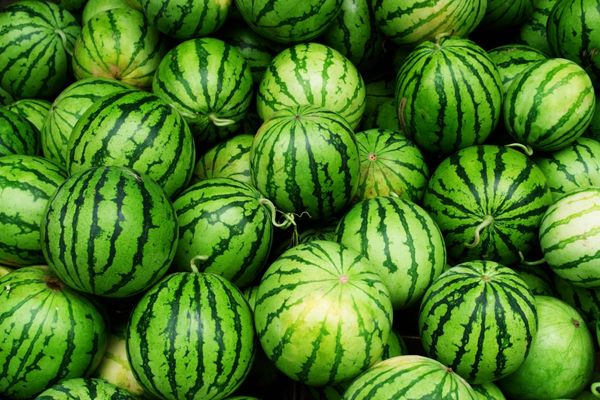
Obviously, you shouldn't choose an abnormally large fruit. Such a plant has likely been chemically treated. It's best to choose a medium-sized fruit, around 6 kg. Don't discard a small fruit outright. In most cases, it will truly be unripe, but it could be the variety.
Does the condition of the stalk affect the taste?
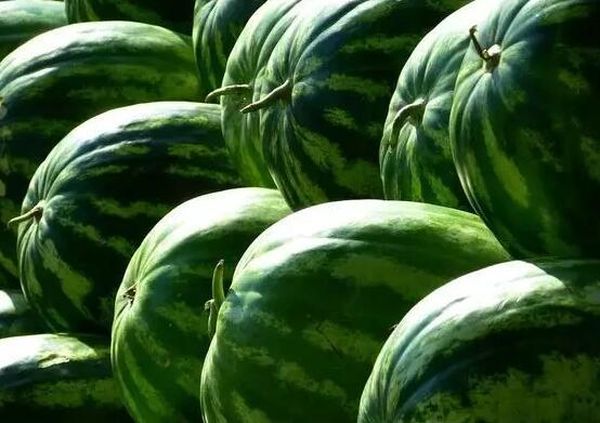
The condition of the stem is another factor to consider when choosing a striped watermelon. A ripe watermelon will have a dry stem.
But you shouldn't rely solely on this method. After all:
- sellers know about this technique and deliberately pick green berries, the stems of which will dry out within a while;
- the stalk may simply be damaged;
- This way you can buy an overripe watermelon.
Choosing a watermelon by weight
In Asian countries, there's a strange method for determining the ripeness of this melon. Ripe fruits are actually lighter than water, so those that float are considered good. This might lead you to believe that a watermelon should be light. However, if there was a rainy start to summer, the fruit you choose may be hollow due to various diseases. A common question is: why is a watermelon soft? Most likely, it's overripe. A soft watermelon is usually heavy and appears delicious, but in reality, it's destined for the trash.
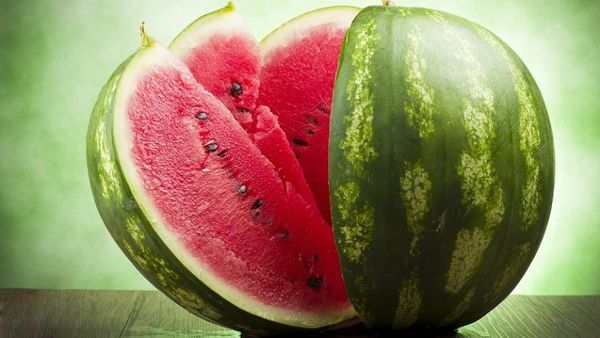
At the beginning of the watermelon season, choose berries weighing 4–6 kg, and at the peak – 7–9 kg.
Choosing a watermelon by sound
This method of testing a watermelon was often shown in old Soviet films. Sound can indeed reveal a lot about the insides of a sweet berry. But few people know what sound a striped fruit should make when tapped or squeezed. If a tap on the skin produces a hollow sound, the fruit is ripe; if it's dull, it's not fit for the table. When squeezed between your palms, a good, round striped watermelon will make a characteristic cracking sound; a green one won't.
Secrets of a successful choice
Choosing a watermelon is a delicate matter; for some, it can even be a ritual. And for those involved in vegetable gardening, choosing a good one is a matter of honor.
How to choose a good watermelon without making a mistake? The key is to keep the following factors in mind:
- a ripe watermelon occurs during its natural ripening period – the end of July;
- the counter must be clean;
- the peel should not have any cracks, dents or punctures;
- the skin should not be matte, but glossy;
- When ripe, the watermelon has a yellow spot on the ground instead of white;
- when tapped, a ringing sound should be produced;
- When compressed, a cracking sound should be heard;
- unripe watermelon of medium size, weighing from 4 to 9 kg;
- A dry stalk does not always indicate ripening.
Video: How to Choose a Ripe and Tasty Watermelon
In this video, you will hear useful tips on choosing a ripe watermelon.