
How to properly germinate watermelon seeds before planting
Soaking efficiency
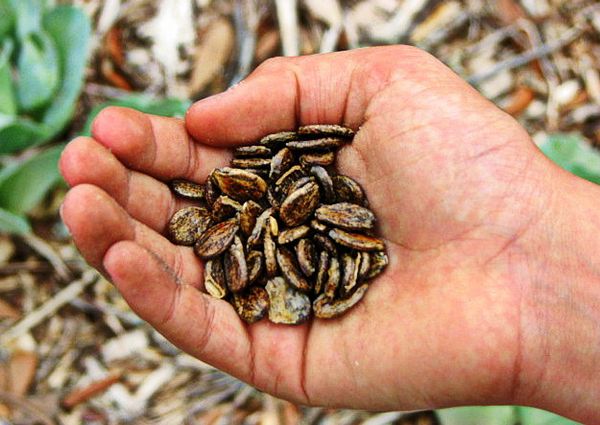
Of course, planting watermelons in a garden bed is possible without the required seed treatment, specifically without soaking. However, in this case, seedlings will not emerge quickly, and if you live in the central or northern regions, soaking the seeds is a necessary procedure. It's ultimately up to you to decide whether to soak the watermelon seeds before planting, but generally, seeds that have undergone this treatment produce more uniform germination.
The first thing you need to do is sort your watermelons. Spread the seeds out on a clean, flat surface and sort them into large, medium, and small ones—this will protect the weaker plants from being overwhelmed by the larger ones. Now that the seeds are sorted, you need to help them sprout: try lightly cutting each seed near the tip—this will help the sprout find its way to the surface more quickly. While not all experienced gardeners consider this step necessary, they all agree that it certainly won't hurt. Before you germinate watermelon seeds by planting them yourself, be sure to warm them up.
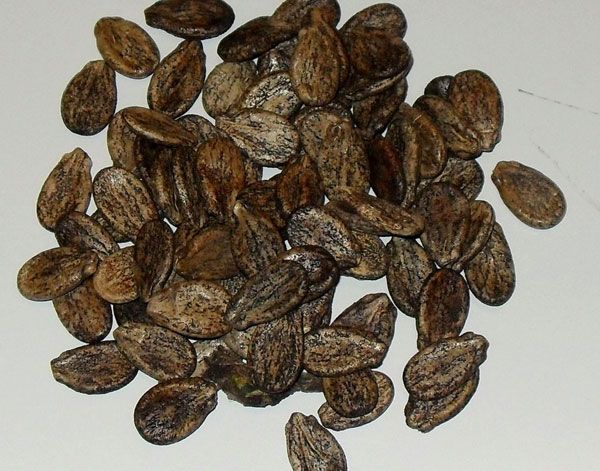
To improve germination, try exposing the seeds to heat—soak them in hot water (+50°C/122°F) and let them sit for 30 minutes. Once this is done and the seeds are completely dry, you can soak them before planting to encourage germination. First, prepare a solution—potassium permanganate is most commonly used. Twenty minutes is sufficient. After a brief soak, remove the seeds from the solution and prepare them for further processing.
Soak the seeds in room-temperature water and leave them there for 24 hours. You can tell how long it takes for a seed to germinate by its appearance – if it's swollen and increased in size, it's time to move on to the next step. When soaking watermelon seeds before planting, try adding a little aloe vera juice to the soaking water – this will have a beneficial effect on the health of the future seedlings.
We're often asked whether it's necessary to soak seeds treated with special compounds. The answer is clear: these seeds don't need to be soaked. They can be safely planted dry, as soaking them reduces their germination rate by about a third.
The greatest danger for such watermelons is treating them with a potassium permanganate solution—the components of the solution can react with the other ingredients, resulting in a failure to germinate. In summary, treating the seeds before planting is important, but not at all necessary, at least if you live in the southern regions of our country. It's a different story in the north—there, it will significantly increase your chances of a bountiful harvest.
Stages of germination
Before planting watermelons in open ground, it is important to carry out preparatory treatment of the seed material.
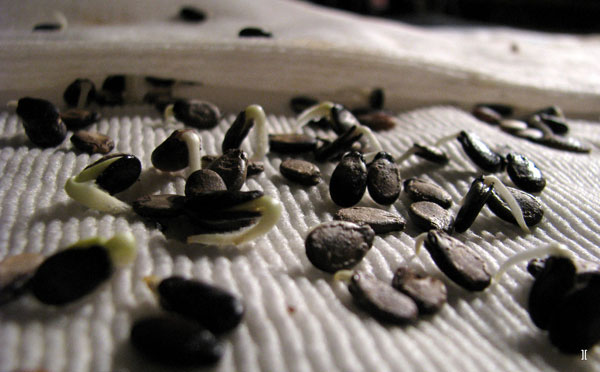
After this mandatory soaking procedure, the seeds need to be germinated by placing the watermelons in a solution containing a growth stimulant for 24 hours. After this, the seeds should be rinsed again and wrapped in a damp cloth, placing the entire structure in a warm place for germination. It's crucial to moisten the cloth containing the seeds periodically, otherwise they won't germinate. It's a good idea to create a small greenhouse by covering the container with a sheet of glass or plastic film to speed up germination.
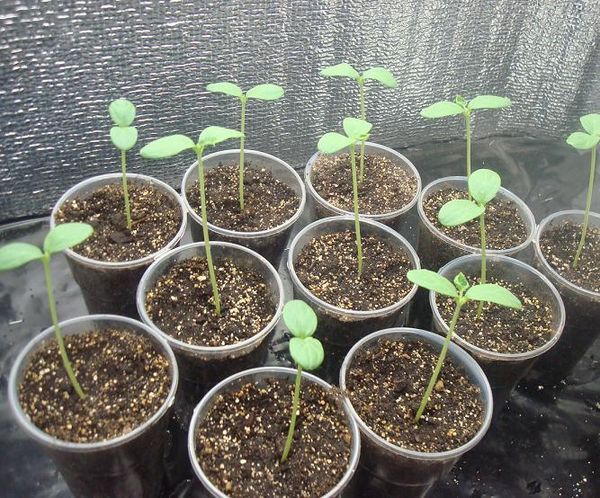
Video: Planting Watermelon Seeds
This video will show you how to germinate watermelon seeds and prepare seedlings.