
When and how to plant watermelon seedlings
Content
When to plant seedlings
The timing of sowing watermelon seeds will depend on when you can plant the watermelon seedlings in their permanent location. Typically, seedlings need only one month to survive planting without problems.
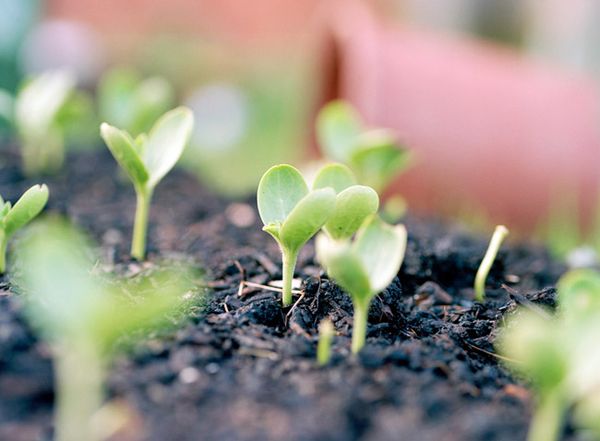
But the seeds take a long time to germinate, so planting watermelon seedlings should be completed by the end of April. However, planting times may vary slightly depending on your region.
Seed preparation
To properly plant and grow melon seedlings, you need to know a few specific aspects of the crop. It's worth noting that seeds that are 2 or even 3 years old are considered more productive than freshly harvested ones: plants grown from young seeds will produce only male flowers, while we need female flowers to form ovaries. Before planting watermelons, test the seeds—we want to know how they'll germinate! This can be done using a simple solution of table salt (5 g per 100 ml of water). Stir the solution thoroughly and soak the seeds in it for a few minutes. The seedlings will emerge from the seeds that sink to the bottom of the glass. Remove them, rinse thoroughly with clean water, and let them dry.
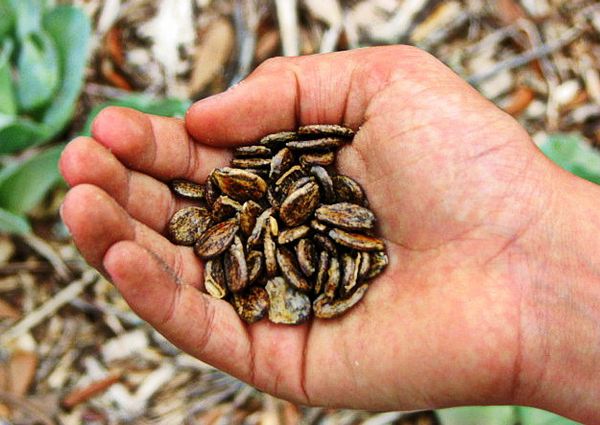
To encourage more female flowers from future seedlings, many recommend heating the seeds—heating them for several hours in an oven set to 60 degrees Celsius (140 degrees Fahrenheit). Once this step is completed, all that's left to do is treat the seeds with a 1% potassium permanganate solution, soaking them in the solution for 30 minutes. Almost ready! Now all that's left to do is soak the seeds in clean water to encourage germination before planting the watermelon seedlings. This preparation involves wrapping them in a damp cloth for several days at a temperature of around 25 degrees Celsius (77 degrees Fahrenheit). Typically, the seeds should germinate within about 5 days.
It's important to remember to rinse the seeds periodically, otherwise there's a high risk of them becoming sour. Once they sprout, it's also a good idea to harden them. This process involves alternating between warm and cold temperatures: 12 hours in the refrigerator, then 12 hours in a warm place, repeating the process several times. Once the roots reach 1.5 cm, you can plant your watermelons.
Selecting soil and container
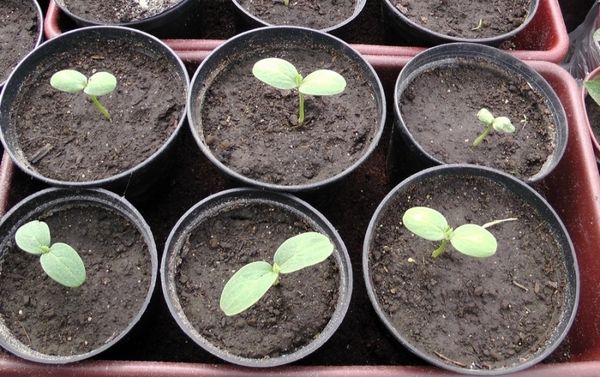
The soil for watermelon seedlings should be peat or peat-humus. Sprouted seeds should be planted in a soil mixture consisting of these two components in equal parts. If peat is unavailable, you can mix sod soil and humus in a 1:3 ratio. Superphosphate and wood ash are essential. Before planting your watermelon seedlings, prepare a sufficient number of containers—one for each seed—as the plant absolutely cannot withstand transplanting.
Sprouted watermelon seeds should be planted in cups about 12 cm high and at least 10 cm in diameter – this will ensure the seedling’s root system develops normally.
Sowing seeds
As mentioned, planting prepared and sprouted watermelon seeds for seedlings should begin 30-35 days before transplanting to their permanent location—this time is sufficient for the seedlings to develop two pairs of true leaves. Place one or two seeds in each prepared cup, so that if both sprout, the weaker seedling can be removed later. Remember that watermelons should not be transplanted, only transplanted with the root ball. The seeds are placed in the soil to a depth of about 3 cm, watered thoroughly, and the cups themselves are placed on a south-facing windowsill, securely protected from the cold.
Features of seedling care
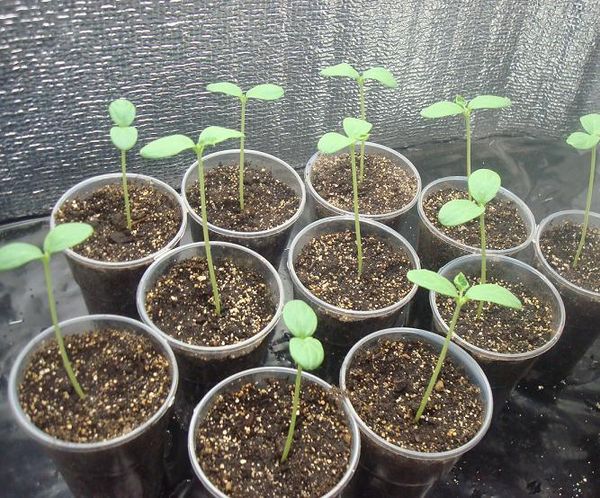
To ensure all the seeds germinate indoors, they need to be exposed to true southern heat—at least 30 degrees Celsius. In this case, the first shoots will appear in less than a week. Once this happens, the temperature in the room containing the seedlings should be sharply reduced to 18 degrees Celsius. Why? This is a kind of hardening off: as soon as all the sprouts emerge above the surface, the temperature can be raised.
Proper lighting is crucial—insufficient light will cause watermelons to stretch. If a south-facing windowsill isn't an option, provide supplemental lighting. Water moderately, using warm, room-temperature water, being careful not to wet the leaves. If the plant wilts and the leaf tips dry out, it's too much water, which can lead to blackleg, and that's the end of your dream of growing watermelons. Try to ventilate the room where the watermelons are growing, but avoid drafts—fresh air is beneficial for the seedlings.
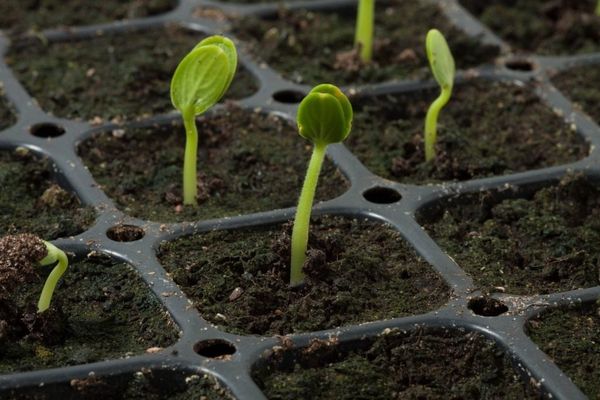
A few days before planting the mature watermelon seedlings in the garden, take the containers with the sprouts outside. By this time, the cups will be practically empty of soil, as the growing roots occupy all the space. The day before planting, water the watermelons thoroughly; you can treat them with a weak solution of Bordeaux mixture. Plant the watermelons carefully, avoiding damage to the root system. If the roots are accidentally damaged during planting, the plants may survive, but their yield will be somewhat reduced.
Video: Planting Watermelon Seedlings
This video will show you how to properly plant watermelon seedlings.