
Rules and methods for successfully storing watermelons for the winter
Content
How long can a watermelon be stored?
Naturally, the first question to ask is: what is the shelf life of watermelons in general?
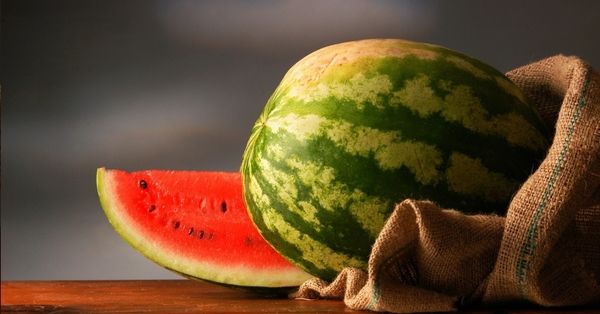
It all depends on the variety. Early-ripening varieties are the least suitable for long-term storage, while late-ripening varieties are the best. These varieties include Astrakhan Marble, Krestyanin, Lezhkiy, Astrakhan Striped, Kholodok, and others, which ripen in September. A distinctive feature of late-ripening varieties is that the chemical synthesis of sugars in them is slower, meaning the breakdown of chemical bonds takes longer. Therefore, late-ripening varieties can retain their flavor and firmness for up to 5 months.
If you're wondering how long you can store early-ripening berries, their shelf life is very short, measured in days. At home, it is better to eat such fruit immediately or process it.
Which watermelon is suitable for long-term storage?
As mentioned earlier, watermelon varieties that ripen in early or late September are best for winter storage. The likelihood that such a crop was grown with nitrates is extremely low, making the fruit not only tasty but also nutritious.
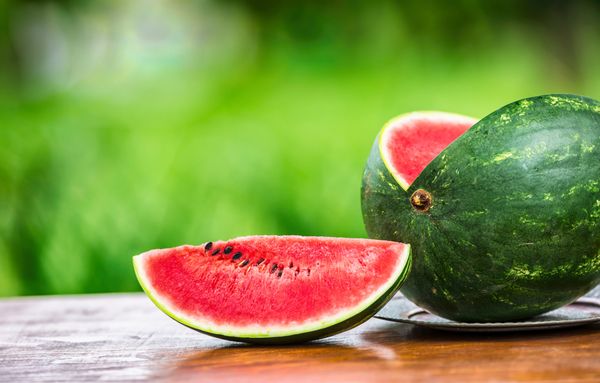
Next, pay attention to the fruit's appearance. If you notice any cracks, dents, or scratches on the watermelon when purchasing it, it's best to consume it immediately. Any damage is a potential source of bacterial contamination.
A purchased watermelon should be ripe; this is the only way it will last long at home. However, this ripening should be natural, not accelerated. Therefore, avoid buying berries in supermarkets or along the highway. Firstly, the fruits there often don't taste the best, and secondly, they are sold unripe.
If you've decided to preserve berries from your own garden, you can begin picking them five days before they're fully ripe, doing so very carefully to avoid damaging the stems. The fruits are then carefully transported to the storage area. However, they shouldn't be transported in bulk. It's recommended to pack the berries in a single layer on a soft mat in a vehicle—enough to prevent them from bumping into each other during transport.
Required temperature and humidity
The storage life of melons is directly affected by the humidity and temperature of the storage room. Where better to store watermelons than in a basement or cellar, which provides ideal conditions for the berries? The ideal temperature for storing watermelons is 2–6°C (37–43°F), and the humidity should be 75–85%.
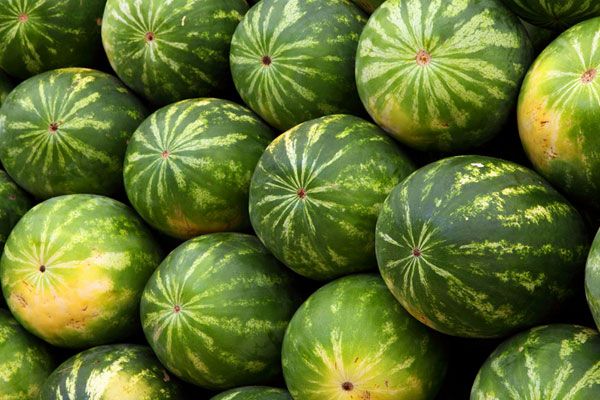
Thanks to high humidity, the fruit will lose less of its own moisture, keeping it juicy and flavorful longer. And a stable, near-minimum temperature will allow you to enjoy crisp, yet not frozen, flesh even in winter.
At home, a pantry or refrigerator can be a good storage location, if they're large enough to hold the berries whole. Alternatively, you can store watermelons in a loft, on a balcony, or in a pantry.
How to keep it fresh
To keep the fruit fresh and tasty for as long as possible, it's recommended to store it hanging separately from other crops. Many home gardeners store their harvest in the cellar, carefully stacking the stored fruit on a bed of straw or other plant material. Alternatively, at home, you can store watermelons in special boxes filled with sand, where the fruit is placed and sprinkled with sand or ash as a layer. Moss can also be used to create a layer between the berries.
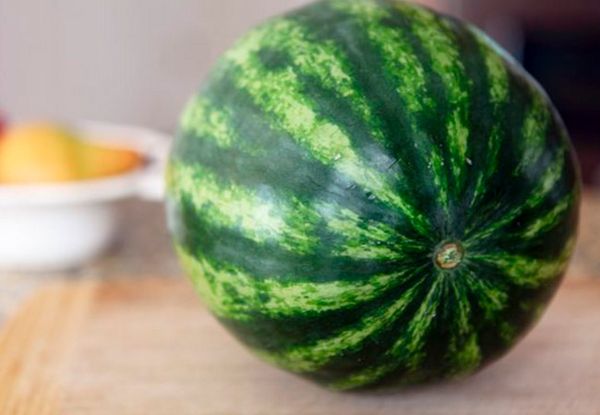
Before placing the fruit back in place, it must be washed, dried, and coated with a protective substance. Wax, alabaster, clay, and 2% lime are considered the best. The fruit is coated so that the dried substance forms a crust 0.5–0.8 mm thick.
Many melon growers also recommend covering the fruit with tops or straw for 24 hours before final storage, which will absorb excess moisture from the bark.
Freezing for the winter
If you don't have the space to store your melons in a separate room, you're probably wondering whether you can store watermelons in the refrigerator and how long they last when frozen.
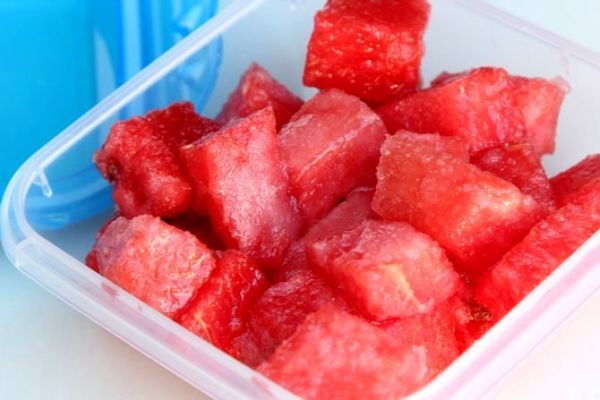
The best way to store watermelon is in the freezer, where it should be placed pre-cut into pieces. To do this, remove the rind, cut the flesh into evenly sized pieces, and arrange them in a single layer on a flat surface (such as a tray or baking sheet). Then place the tray in the freezer, where the pieces will freeze evenly. Afterward, the pieces can be quickly transferred to containers or heavy-duty bags.
This berry can be stored for a very long time – right up until the next harvest. However, remember that defrosted flesh quickly loses moisture and volume, so be sure to consume fresh watermelon quickly. Also, remember to close the container tightly, otherwise the fruit will absorb freezer odors.
Other storage methods
In addition to all the above methods, there are two more: pickling and salting watermelons. These methods preserve the fruit well, but the flavor of the flesh will change. Pickled and fermented watermelons can be stored for a year or longer, provided the recipe and cooking procedures are followed correctly.
Video: "How Long to Store Watermelon"
This video will show you how to properly store watermelon.