
Description and cultivation of the winter watermelon Kholodok
Content
Description and characteristics of the variety
The variety description describes the cultivar as a vigorous, branched plant with long vines, the main shoot of which can reach 5 m in length. The vines are covered with large, narrow-lobed, moderately pubescent leaves of an intense green color. As they ripen, the fruits of this variety become spherical, slightly elongated, weighing an average of 4.5 kg. The skin is distinguished by faintly defined segments, a nearly invisible mesh, and a primary green color. The skin is of medium thickness, and the flesh is intensely red, grainy, sometimes with a pinkish tint.
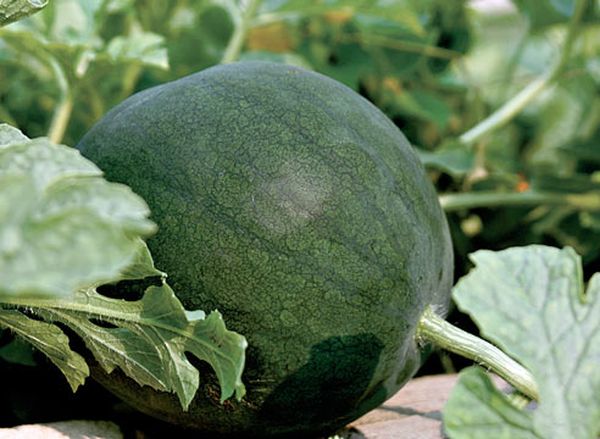
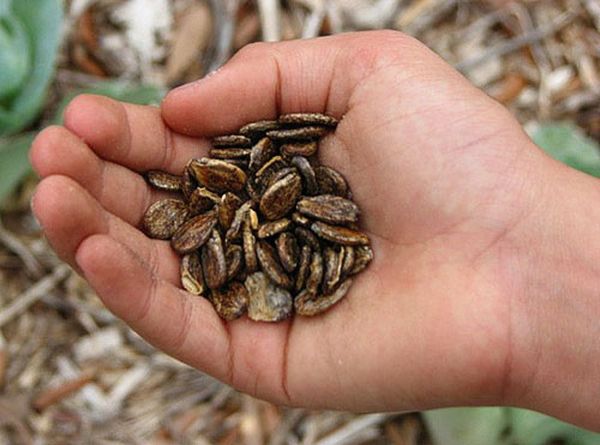
The most important characteristic of the variety from a gardener's point of view is its yield – approximately 35 tons of fruit can be harvested from each hectare of planting.Watermelon Kholodok is mid-late – the vegetation period of plants is on average 100 days. Suitable for both open-field and greenhouse cultivation, the fruit has excellent flavor: sweet and juicy, with a noticeable graininess. These watermelons store well and withstand long-distance transportation well. The seeds of the Kholodok watermelon variety are large, reaching 1.5 cm in length, and are a rich light brown color with a rough surface.
Features of cultivation
If greenhouse cultivation is chosen, it's time to start sowing seedlings as early as April, just as the first gardening chores begin after the winter doldrums. Seedlings are transplanted to their permanent location under cover when they reach 30 days of age. Planting holes should be spaced 70 cm apart, with a 1.5 m spacing between rows. With open-air cultivation, you can skip the seedling stage and sow the crop directly into the beds once warm weather sets in. In a greenhouse, the rapidly growing vines should be tied to a trellis, but if melons are grown outdoors (which is especially possible in southern regions), they can be allowed to grow freely.
Kholodok, like many melons, prefers light soils with excellent air and water permeability.
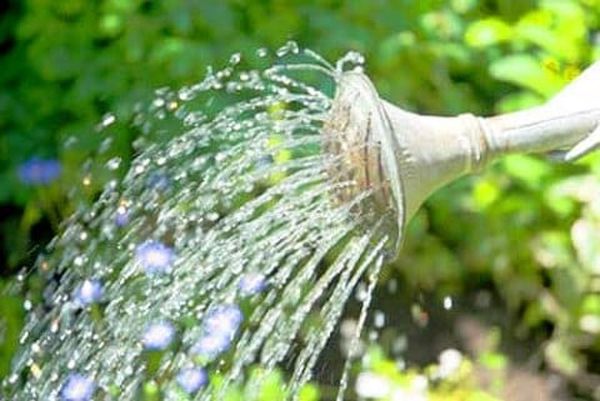
If you've decided to try your hand at growing the Kholodok watermelon, a care guide will be helpful: mandatory procedures include shaping the plant, monitoring the number of fruit sets, fertilizing the soil in the beds, and providing regular, adequate watering. During formative pruning, remove side shoots and pinch back the main shoot, leaving no more than three fruit sets on the bush. Avoid overwatering the soil, and as the berries ripen, significantly reduce watering.
This crop is moderately susceptible to a number of diseases that thrive in conditions of high humidity and low temperatures, including powdery mildew, anthracnose, and fusarium. Be sure to take this into account and try to prevent these diseases from developing, otherwise you risk losing your harvest altogether. Don't be afraid to try new crops in your garden. As we know, if you're willing, you can even grow exotic magnolias in Siberia. A common watermelon is a completely different story—you can definitely do it!
Video: Growing Watermelons
In this video you will hear useful tips on growing watermelons.