
Why does a ripe watermelon taste bitter?
Content
Features of the variety
There are several reasons why a berry might taste bitter. But first, pay attention to the variety you're buying, as bitterness may mean something completely different from the berry's rottenness. There's a special variety of watermelon called Colocynth, better known as "Bitter Apple" or "Bitter Cucumber." They're most commonly grown in Arabia, North Africa, and India.
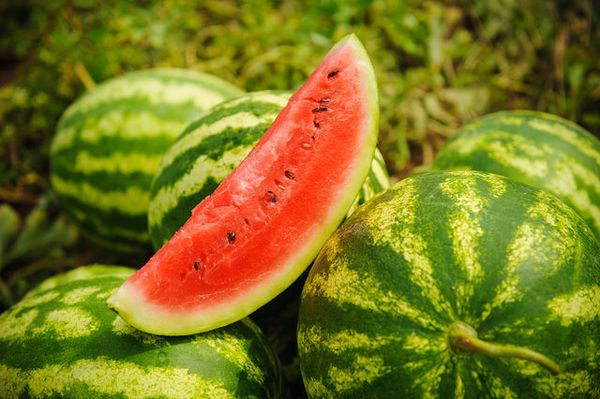
The plant itself is a perennial that grows and twines along the ground. Its fruits are shaped like spherical stars with three sections. They are small, about the size of a lemon, but have a distinctive green peel. When the fruit ripens, the peel turns yellow or fiery red. The flesh is typically white, soft, and contains numerous seeds. These seeds are what give the fruit its bitter taste. You need to be very careful with these fruits, as their consumption usually causes severe diarrhea.
Improper storage
Watermelon also tastes bitter if it's improperly stored. This is one of the most common causes of spoilage and an unpleasant taste. If the fruit isn't stored properly, or if the necessary and optimal conditions aren't maintained during delivery, bacteria can penetrate through microcracks in the skin and begin to multiply in the humid and warm environment. This causes the bitter taste and the sourness of the watermelon itself.
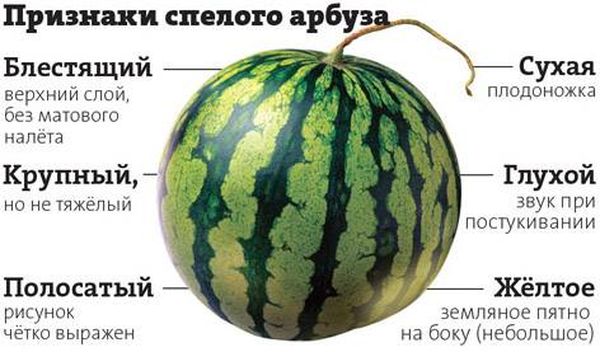
To avoid choosing a watermelon that's not quite right, take a close look. The skin should be smooth and even, the stem dry, and the fruit itself should make a hollow sound when tapped. Another clue is a soil spot—its absence indicates the berry hasn't been left to ripen long enough, meaning there's a higher chance of getting tasteless and bitter flesh.
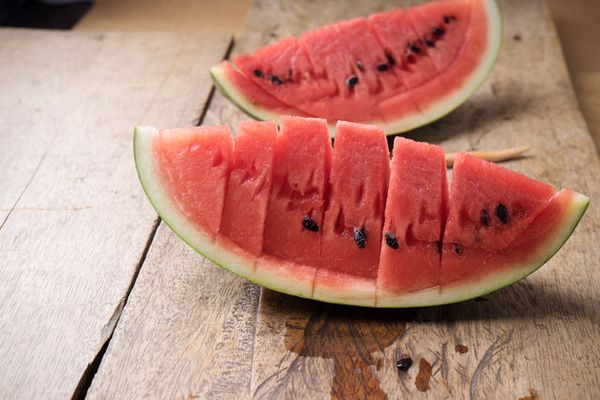
Watermelon also becomes bitter when stored for a long time. This can happen both when the fruit is already cut and when it's whole. It simply loses its original properties after a certain period of storage.
Chemical treatment
Bitterness is also usually caused by nitrates and other chemical additives that are used to quickly ripen and give a marketable appearance to fruits and vegetables.
For example, ethylene gas can turn delicious fruits into very bitter and unpleasant-tasting ones, especially during cold and winter periods. This is because produce from Thailand and Turkey, typically imported during this period, is treated with this gas to ensure better preservation and transportation to local markets. In addition to the altered flavor, these watermelons are characterized by soft and unappetizing flesh, as well as coarse fibers inside. Therefore, extreme caution is required when choosing such a fruit.
If nitrates were used during cultivation, the berry will sound like a deflated ball and crackle when squeezed.
Cutting berries before selling
This is one of the most common mistakes made by sellers, which can lead to a bitter taste. It also contributes to the rapid spoilage of the product. Typically, if only half a fruit is purchased, its flavor is much worse than the original.
When a watermelon is cut, it becomes contaminated with various bacteria. These bacteria, in the unsanitary conditions of a market or store stall, combined with the hot, humid environment, begin to proliferate and spoil the watermelon. Furthermore, these conditions increase the amount of nitrates inside. This may be the main reason why the fruit's core tastes bitter.
Video: "The Health Benefits of Watermelon"
From this video you will learn about how it is beneficial for the body.