
How and what to feed watermelons with
Content
How to tell if watermelons lack minerals
Watermelons and melons are annual plants that thrive on light, moisture, and warmth. What if the region's weather and climate conditions aren't suitable for growing melons? This issue has long been resolved in agriculture by cultivating melons and watermelons in greenhouses.
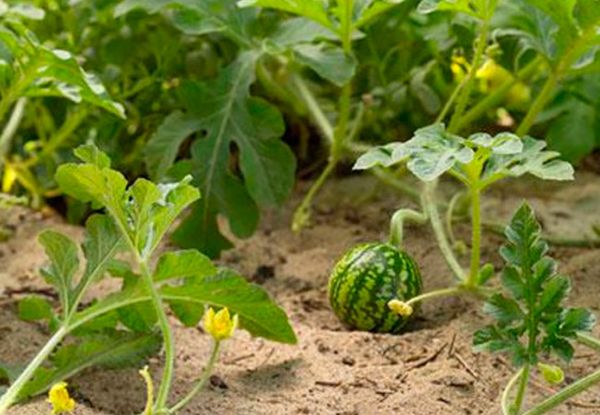
The following conditions are required: a good lighting system, air humidity of 60-70%, and an ideal daytime temperature of 25-30°C and a nighttime temperature of 17°C above zero. Sowing and planting of seedlings are done in fertile, well-drained soil. The root layer should be at least 30 cm deep. How to properly care for melons grown in greenhouses? According to experienced farmers, it is necessary to protect watermelon and melon seeds and seedlings from possible frosts in the spring, pinch the crops promptly to promote growth and bush formation, water correctly, maintain the correct temperature and humidity levels, and apply fertilizers correctly. Scheduled fertilizing of watermelons and melons is carried out twice during the period of sowing and ripening of fruits..
The deficiency of a particular useful substance can be observed by the external condition of the plant:
- Phosphorus. Weakened roots, lifeless, dirty-green leaves, small fruit ovaries, main leaves (located at the base of the shoot) of a rich yellow color with brown spots that gradually increase in size;
- potassium. Rapid wilting, yellowing of foliage and signs of sunburn, malformed fruits that are enlarged at the ends;
- Calcium. Curling of young leaves in melons and watermelons, infertility of flowers, poor ovary formation, small and tasteless fruits, which are often described as "grassy";
- magnesium. Yellowing of mature leaves, formation of brown burn spots;
- Manganese. The surface of the foliage is pale green, and yellowing can often be observed;
- Iron. Appears on young foliage as pale green chlorosis.
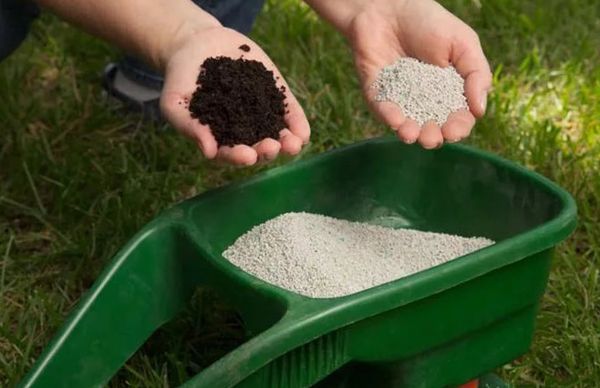
Want a good melon harvest? Pay attention to the condition of your garden crops. Early detection of various micronutrient deficiencies and supplemental feeding of watermelons and melons will guarantee a good harvest. Remember to water the watermelons thoroughly beforehand, and only after the water has completely absorbed into the soil should you fertilize the plants. Otherwise, there's a high risk of root burn.
Mineral fertilizers
Mineral fertilizers, also known as mineral salts, are considered key components of melon nutrition.
There are two types:
- one-sided or simple;
- multilateral or comprehensive.
Complex fertilizers for watermelons and melons include several nutrients. A single (simple) feeding is a single application of a single beneficial substance, such as nitrogen, phosphorus, potassium, and others. It's best to feed melons using the root method. According to professional growers, for each feeding, 25-30 g of potassium chloride, 10-15 g of ammonium nitrate (urea or carbamide), and 40-50 g of superphosphate should be diluted in 10 liters of clean water.
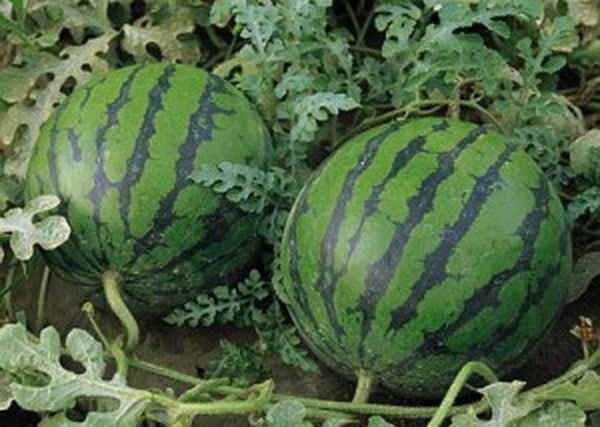
According to agricultural workers, the best type of fertilizer is considered to be yeast, which contains proteins, minerals and organic iron.
Yeast is used to accelerate growth and improve the condition of melons.
Organic fertilizers
Organic fertilizers, which are of plant and animal origin, are widely used in agriculture.
The most popular fertilizers include:
- humus. A substrate formed as a result of rotting and decay of animal and plant remains;
- manure (chicken or pigeon droppings, cow dung) in a rotted state;
- herbal infusion, to which wood ash is periodically added.
The first two types of organic fertilizers (humus and manure) should be diluted with water in a ratio of 1:5.
Watermelon fertilizing scheme
- mid-April. Sowing seeds: humus and earthen soil in a ratio of 3:1, 1 tbsp. of potassium and nitrogen, 3 tbsp. of phosphorus;
- seedling germination. 2 mineral fertilizers (after the formation of 2-3 leaves and 7 days after the first fertilizer);
- mid-May. After planting the seedlings – organic fertilizers;
- after 9–11 days. Fertilize with nitrogen (4 g ammonium nitrate per 2 liters of warm water);
- maintaining a one-two week break. 2 additional feedings (humus, mullein, herbal infusion, chicken droppings with the addition of wood ash).
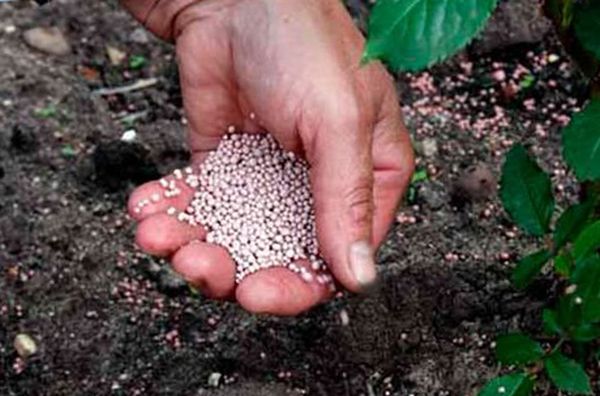
Video: "Feeding Watermelons"
This video will show you how to properly fertilize watermelons.