
A review of the best cherry plum varieties for every taste
Content
Large-fruited varieties
The taste of fruits depends largely on their size. According to gardeners, large-fruited varieties, including cherry plums, are very popular with agronomists. Among the many fruit varieties, notable ones include Globus, Shater, Sigma, Byron Gold, Monomakh, Kleopatra, Gek, Mikhalchik, and others.
Tent
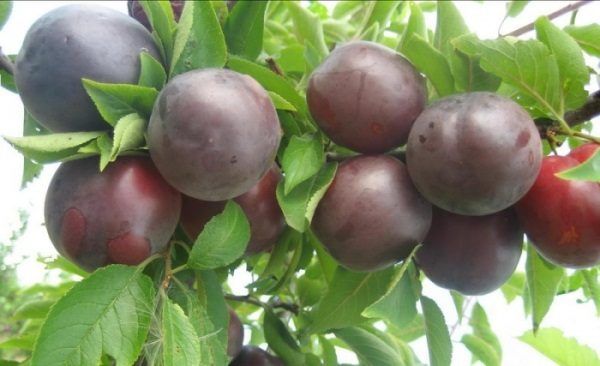
The low-growing cherry plum, Shater, with its aesthetically pleasing rounded crown, makes a wonderful addition to any garden. This plant tolerates frost well, making it suitable for growing in harsh climates. Among its advantages, Shater cherry plum is its resistance to fungal and viral diseases.
With proper care, the tree produces its first harvest 4–5 years after transplanting to a permanent cultivation site. The tent has unique taste and commercial characteristics and performs well during transportation over long distances.
Found
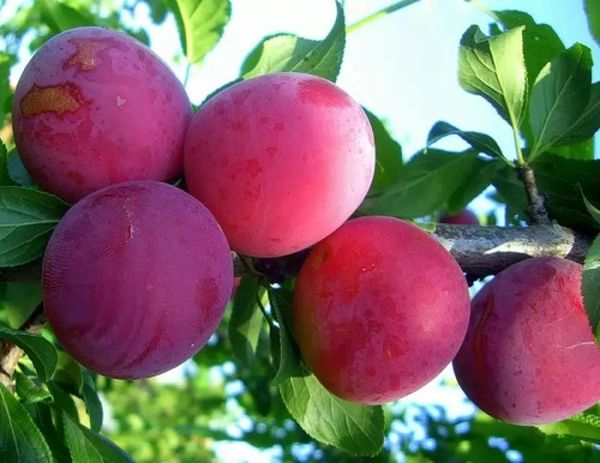
According to the variety description, the Naydena cherry plum is resilient to winter and spring temperature fluctuations and is also highly drought-resistant. With proper planting conditions and care, it produces abundant yields (up to 50 kg) and bears fruit early. The first full harvest is harvested three years after planting the seedling in its permanent location.
The average weight of a ripe fruit reaches 37 g. The pulp has a pleasant aroma and a refreshing sweet and sour taste.
Huck
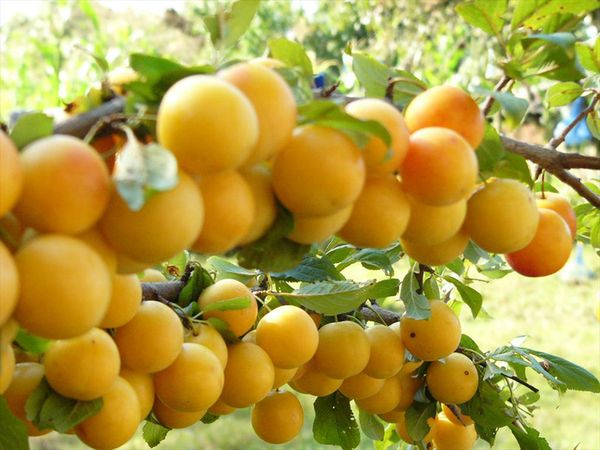
This fruit crop has many positive qualities, including excellent yield and good transportability. A ripe fruit weighs up to 35 g. Dark yellow skin with a green tint indicates ripeness.
However, this variety also has some disadvantages: low resistance to gray mold, poorly separable pits, low pulp juiciness, and the need for crown pruning.
Monomakh
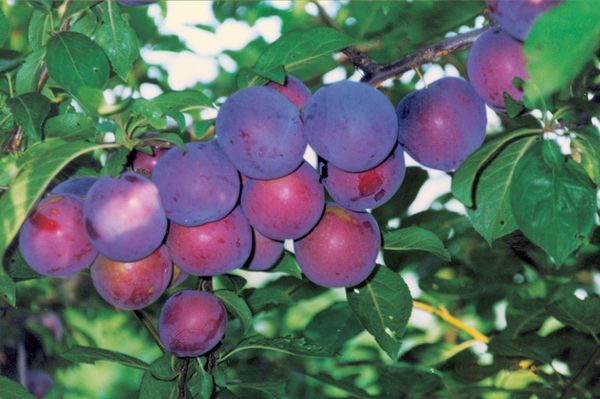
The Monomakh cherry plum variety attracts attention with its interesting fruit color. At technical maturity, the skin of the fruit has a beautiful, rich purple hue.
With proper care, this crop is characterized by regular and high yields. However, its main advantage is the amazing taste of the fruit, the juiciness of the pulp, and the easy removal of the pit.
Columnar
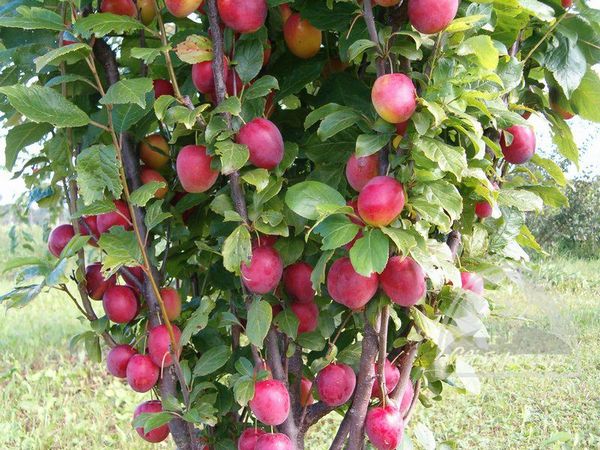
Gardeners with small garden plots appreciate the Kolonovidnaya cherry plum variety, which is distinguished by its compact size. While the tree reaches three meters in height, its crown diameter does not exceed 1.5 meters.
The advantages of the crop include excellent winter hardiness, rapid recovery from freezing, and large fruits.
Video: "Rules for Pruning Cherry Plums"
This video will show you how to properly shape the crown of a cherry plum tree in your garden.
Frost-resistant varieties
When choosing cherry plum varieties for the Leningrad Region, central Russia, and other cold regions, it's worth considering fruit crops such as Pramen, Seyanets Rakety, Alenushka, Vladimirskaya Kometa, Vitba, Timiryazevskaya, Duduka, and others.
A gift to St. Petersburg
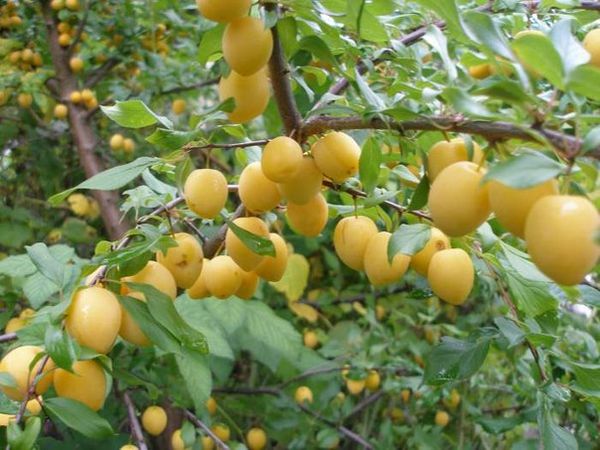
This medium-sized tree, with a wide and dense crown, copes well with harsh winters, heavy rainfall, and the unstable climate of the Leningrad Region.
Yellow-green cherry plum fruits have a distinctive plum flavor, good commercial qualities, and withstand long-distance transportation well. The first harvest occurs four years after planting.
Vladimir Comet
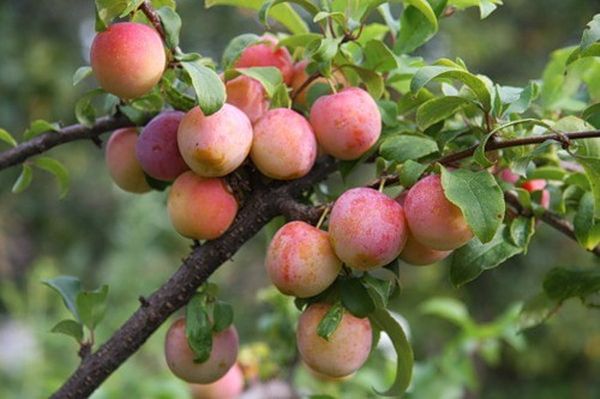
This crop was developed relatively recently. It boasts high winter hardiness, excellent yields that increase year after year, and interesting fruit flavor.
Cherry plum skin has an attractive bright cherry color, while the flesh is a dark honey hue. Due to its flavor, it is eaten raw and is widely used in industrial production.
Rocket Seedling
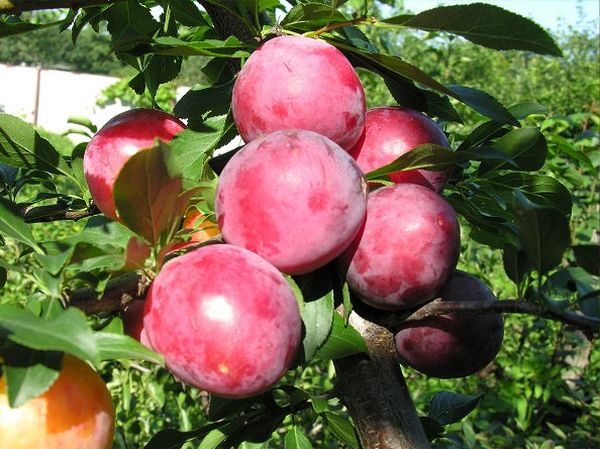
One of the best cherry plum varieties for the Urals is the Rakety Seedling, distinguished by its exceptional winter hardiness. With proper care, the tree can withstand temperatures as low as -35°C.
This medium-sized tree with a dense, spreading crown requires little care or attention. Its large, juicy fruits (averaging 30 g) are covered in a very thick, red skin and have a pleasant, sweet-tart flavor.
Timiryazevskaya
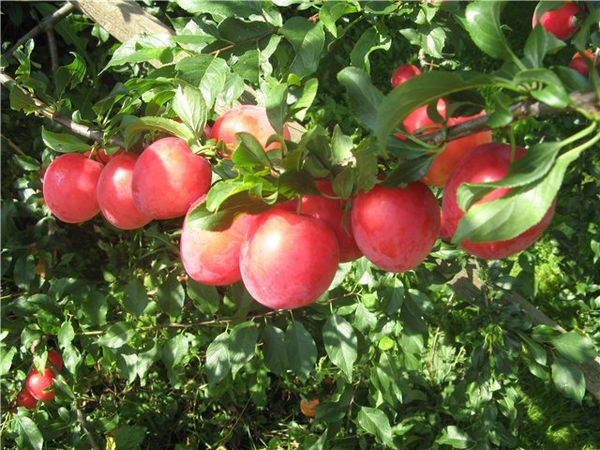
This variety was named after the scientific institute where it was developed. Timiryazevskaya cherry plum is widely grown in the northwestern regions, but its excellent winter hardiness makes it suitable for cultivation in harsher climates.
The main advantages of this crop are considered to be the aesthetic appeal of the tree, the amazing taste of the fruit, and its resistance to various fungal diseases. As for its disadvantages, many gardeners complain about the poor marketability of the fruit.
Oriole
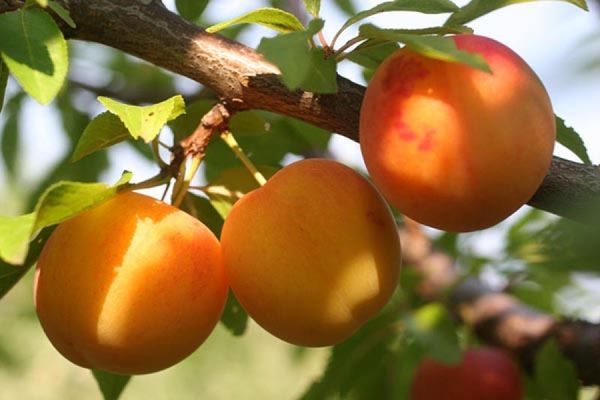
The uniqueness of this variety lies in the fact that, when grown correctly, Ivolga cherry plum is resistant not only to frost but also to drought. This fruit crop is a promising variety, characterized by high and consistent yields.
The fruits have an interesting sweet and sour taste and a distinct aroma.
Self-fertile varieties
Self-fertile fruit seedlings, which don't require additional pollinators, are in high demand among gardeners. The following self-fertile cherry plum varieties exhibit the best productivity.
Kuban Comet
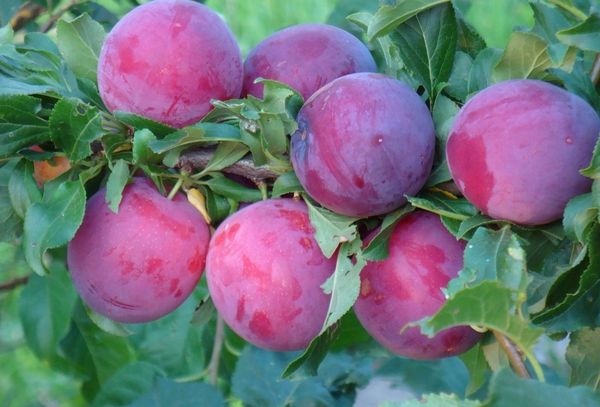
This variety has many advantages, including excellent frost resistance, early fruiting, low maintenance, and high immunity to fungal and viral infections. Kubanskaya Kometa is grown in the northwestern region and central Russia.
With proper care, a single mature plant can yield 40–50 kg of ripe plums, which have a sweet and sour flavor. Red cherry plums with a yellow tint are versatile and can be used in both home canning and industrial production.
Traveler
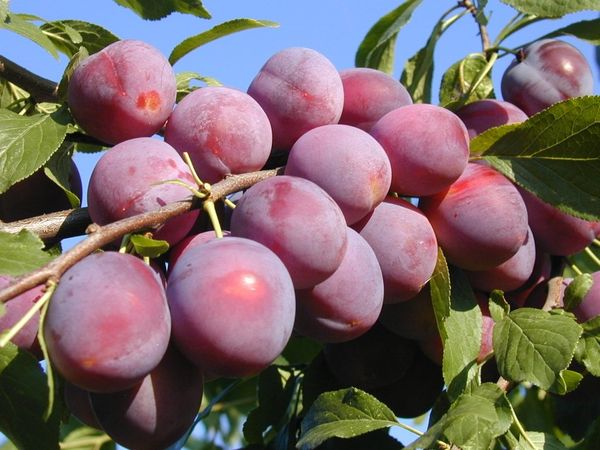
The Puteshestvennitsa variety, a yellow cherry plum with a reddish-purple blush, has a pleasant sweet-tart flavor with a distinctive plum aroma. This variety is resistant to most fungal infections and also boasts good frost tolerance. However, experienced gardeners note that early flowering can result in frost damage to the fruit buds.
It is highly valued for its good yield (30–40 kg), but has poor transportability and is prone to skin cracking when the fruit is harvested late.
Mara
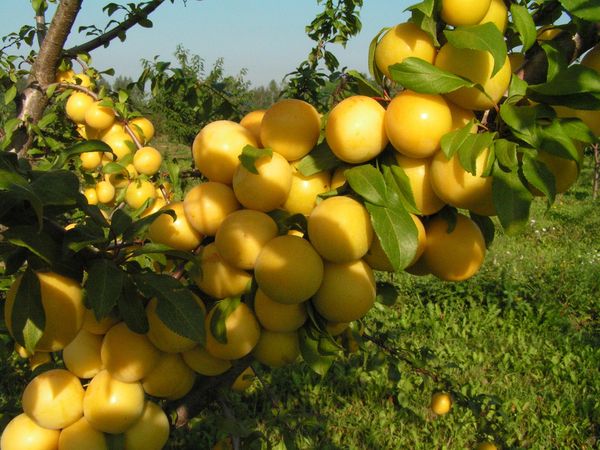
The Mara variety is highly frost-resistant and resistant to diseases common to stone fruit crops. Its abundant yield (40–50 kg) makes it one of the most popular fruit crops.
Small fruits with a rich yellow skin, reminiscent of a bright sun, can be eaten raw and used to make jam, preserves, juices and compotes.