
Top 10 Best Cherry Plum Varieties for Growing in the Moscow Region
Content
Peculiarities of cultivation in the region
It's not recommended to plant self-fertile and early-fruiting varieties of this plant in holes that are too deep. Otherwise, the trees will die soon after planting. Their own weight will cause them to settle, and rainwater will stagnate. If the roots are placed too deeply, the bark at the base of the trunks will rot.
Vladimirsky and any other red or yellow cherry plum variety, even self-pollinating varieties, should be planted in areas that don't receive too much sun. This plant doesn't tolerate direct sunlight well. It's recommended to use growth stimulants when planting.
Experts recommend planting the best self-fertile cherry plum varieties for the Moscow region in the spring, as soon as the snow melts. Given the spreading crown, space the plants 3 to 6 meters apart. Any soil will do, but as they grow, preventative measures will be necessary to combat both types of plum borers and the plum codling moth.
Don't buy the largest seedlings for planting. This is one of the most common mistakes. If the seedling is too large, it is recommended to remove almost the entire crown. The underdeveloped crown of small seedlings is the key to successful cultivation and a good harvest.
Columnar varieties for the Moscow region need to be grown carefully, as a lack of fertilizer during growth can cause the tree to produce an early harvest. This can occur as early as a year after planting. However, an early harvest is not a good sign for these plants. This phenomenon significantly weakens the tree, making it difficult to harvest large quantities of ripe cherry plums.
Small, unsightly seedlings have underdeveloped crowns or no crown at all, but their roots are much less damaged when dug up. These seedlings take root much more quickly and will outgrow three-year-old seedlings in growth. Avoid buying seedlings at pop-up markets, from cars driving into gardening communities, or from those parked along the road. Buy only zoned seedlings from a nursery—those zoned specifically for your climate.
Video: Transplanting Fruit Trees
In this video, an expert will explain how to transplant cherry plums and other fruit trees.
The best varieties
Several of these plants are known to be the most common and suitable for growing in this region. We'll describe the cherry plum varieties for the Moscow region that produce the most delicious fruit.
Scythian gold
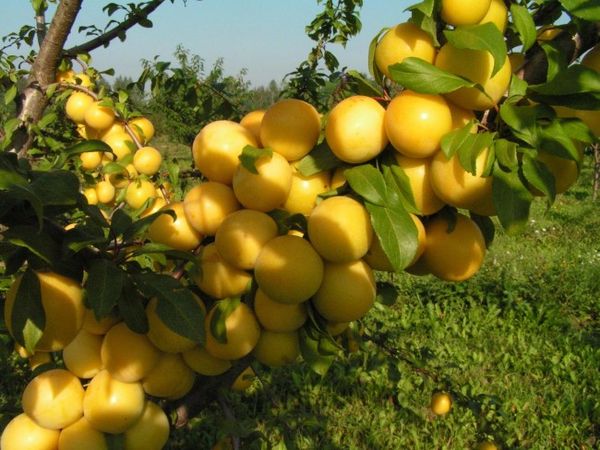
This plant's name stems from the bright yellow color of its fruits. This cherry plum is more than suitable for the Moscow region, as the tree requires little care and bears fruit annually, even after severe frosts. However, it's best to cultivate this cherry plum variety as bushes rather than trees. This cherry plum variety is not self-pollinating for the Moscow region. The white flowers are not self-pollinating. This should be taken into account when choosing this variety.
Cleopatra
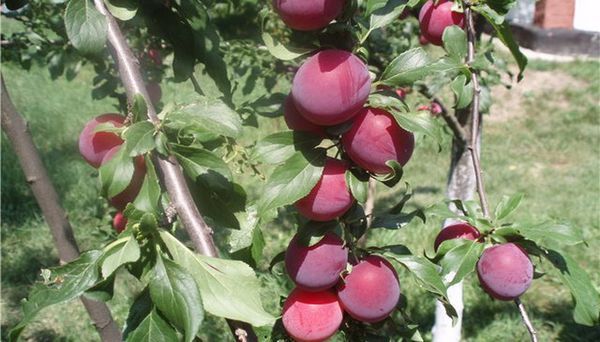
This variety was bred about 14 years ago. It is resistant to severe frosts and captivates with its beautiful black-purple fruits. The fruit's core is very sweet. The plant itself is quite tall, with a spherical crown. This variety is frost-resistant and also naturally resistant to various pests and diseases, including viruses.
Kuban Comet
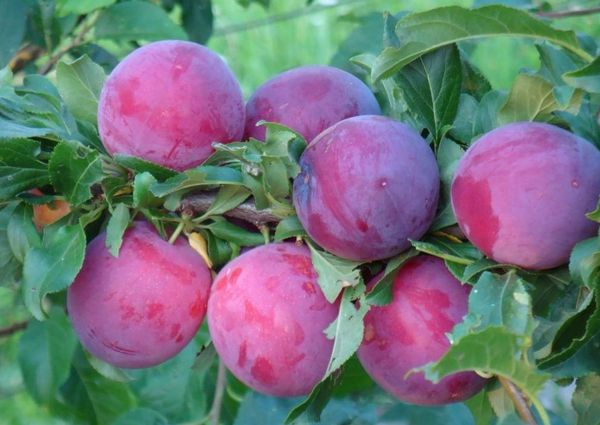
These plant varieties are characterized by medium-sized fruits. These trees once served as the basis for the development of other similar cherry plum varieties. The Kubanskaya Kometa has adapted perfectly to the Moscow region's climate. The flesh is very juicy, and the pit separates easily and quickly. The trees are short. The crown is rounded and very compact. The plant has a compact and well-groomed appearance. The fruits are tart, but not cloying.
Mara
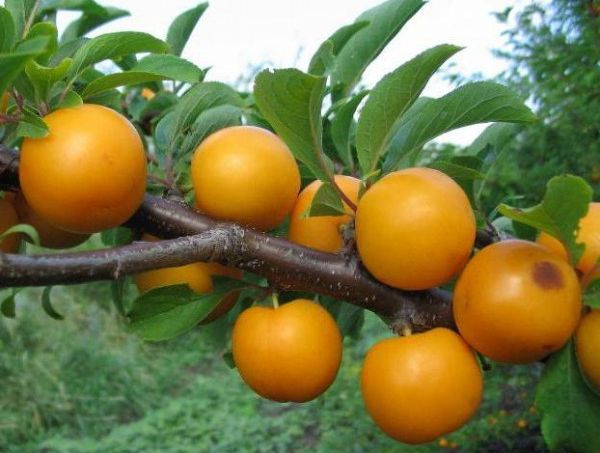
If you want to grow a sweet variety, choose the Mara cherry plum. Once the trees reach seven years of age, they produce a wonderful harvest every year. The fruits are bright yellow. This variety is prized by gardeners not only for its taste and attractive appearance, but also for its resistance to fungal diseases.
Nesmeyana
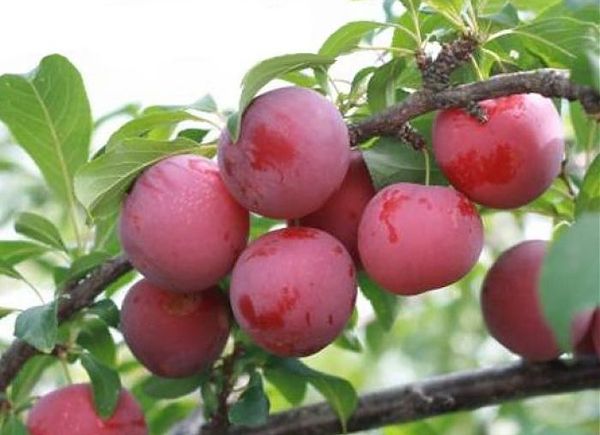
The Nesmeyana cherry plum is a tall plant with a wide crown. The berries are quite large and purple in color, resembling plums. Like columnar varieties, the Nesmeyana plum is sweet in flavor. It can be used to make wine and tolerates long-distance transportation well.
Traveler
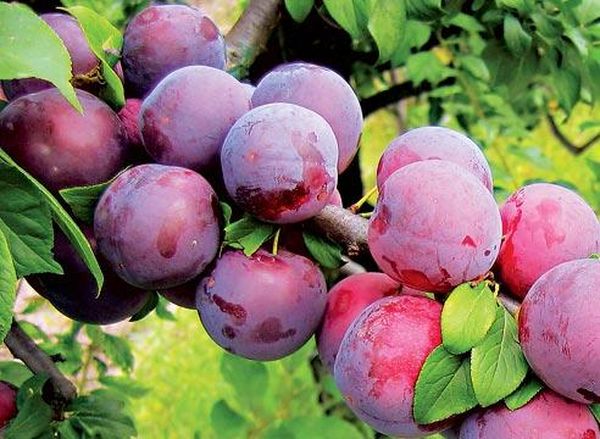
It is partially self-fertile and begins bearing fruit in the fourth year after planting. The skin is thick and red. The flesh is very juicy. This variety easily tolerates frosts in the Moscow region. It can be used to make a variety of desserts.
A gift to St. Petersburg
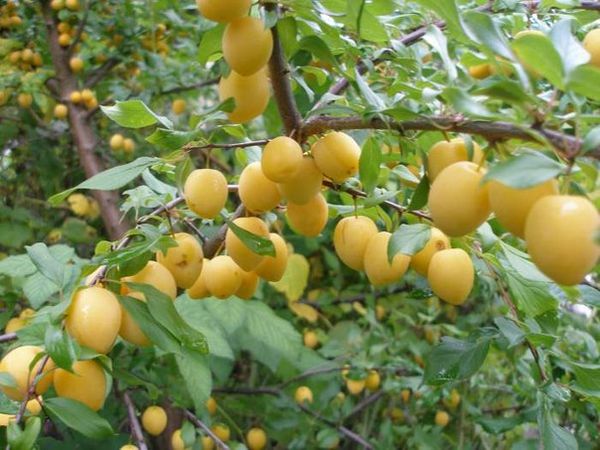
Trees of this variety are characterized by drooping branches and a short trunk. The trunk is short. White flowers appear in late April. The harvest can be made in the Moscow region as early as the end of July. The harvested fruits are easy to transport.
Early-bearing
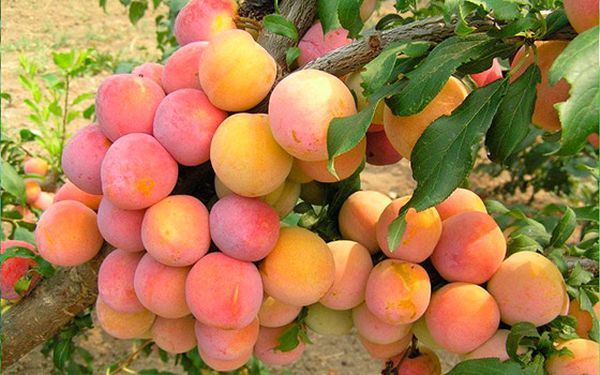
These berries are red when ripe. The plant produces its first harvest in the second year after planting and ample watering and fertilizing. These berries have small seeds. This is one of the highest-quality vitamin C varieties suitable for the Moscow region.
Ruby
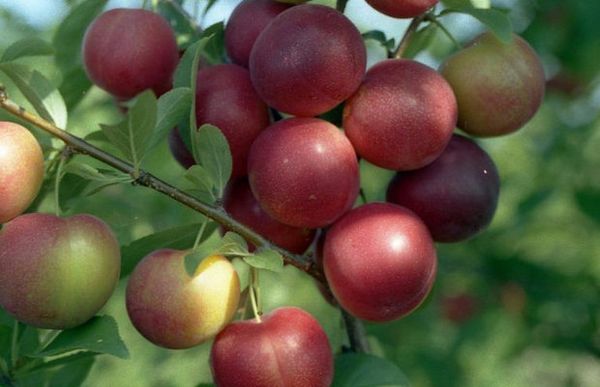
The Ruby plum is distinguished by the color of its fruits. The rich ruby hue will captivate any gardener. The fruits are quite large, weighing up to 30 grams each.
Even with significant weather fluctuations, Ruby plum grows well.
Timiryazevskaya cherry plum
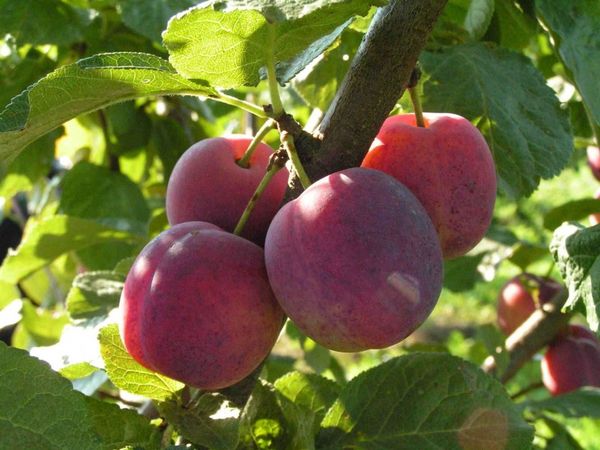
It's also impossible not to mention the well-known Timiryazevskaya cherry plum. It produces a bountiful harvest every year. The fruits can be eaten fresh or used to make delicious marmalade. This is what makes this variety famous.
This cultivar is easy to care for. The plant is self-sterile. The pulp is fibrous. The pit is very easy to remove. If you want to make jam or marmalade, grow this variety.