
The best varieties and secrets of growing Japanese quince
Content
General characteristics
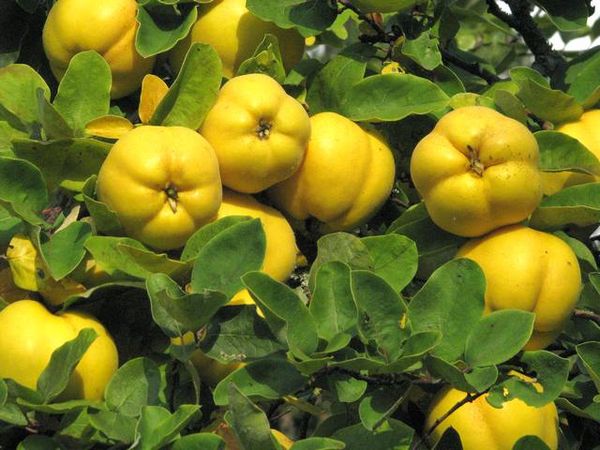
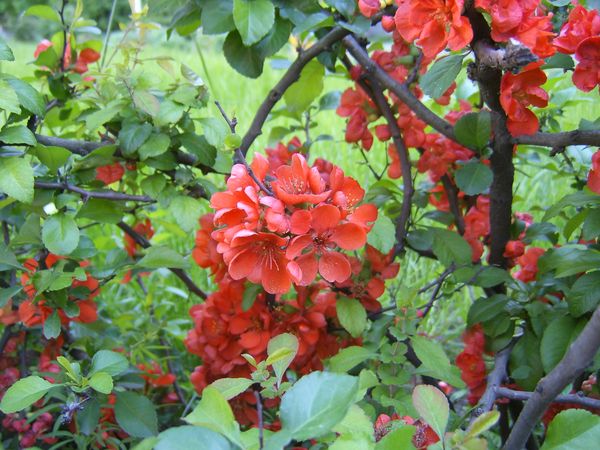
Chaenomeles japonica (Japanese quince) is a fruit-bearing plant primarily used for landscaping. It is a semi-evergreen shrub. It grows as a shrub up to 3 m tall. The crown reaches a similar diameter. The leaves are spatulate, tapering at the base. Japanese quince flowers are up to 3 cm in diameter, ranging in color from white to dark red. The fruit resembles a pear or apple and is covered in a waxy coating, which helps the plant survive until frost.
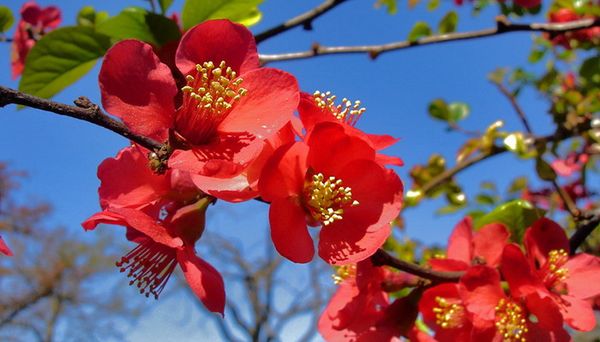
Thanks to its frost resistance, quince can even be grown in Siberia. However, the blooms won't be as profuse as in the Moscow region or the Urals. For growing Chaenomeles in the northwest of the country, low-growing varieties are best, as they will be hidden under snow, preventing frost damage.
Chinese quince is generally similar in characteristics to Chaenomeles quince, but its flowers do not bloom together, but are borne singly, often hidden under the leaves. They are most often pale pink.
Both tree species begin flowering in spring and last for quite a long time. The Japanese quince produces its first fruits in its third year. The seeds, reminiscent of apple seeds, fill half the fruit. The fruits themselves are usually harvested before frost and left to ripen in a cool place.
The fruits of Japanese quince are used in cooking and have many medicinal properties. The rich vitamin content of this fruit makes it useful for preventing and alleviating the symptoms of viral infections. It is low in calories, making it recommended by nutritionists for those suffering from obesity.
In landscape design, Japanese quince is often used as a hedge or planted among trees. Many varieties respond well to pruning and crown shaping. Growing and caring for quince is inexpensive, yet it makes a wonderful addition to any garden.
Popular varieties
Japanese quince (Chaenomeles japonica) comes in many varieties and species. Some varieties are even suitable for growing indoors.
The most common varieties with descriptions can be found below:
- Quince magnificent Pink Lady is a shrub up to 1.5 m with a wide crown and pink flowers;
- Quince 'Cameo' is a low-growing shrub (up to 1 m) with peach-colored flowers. It grows quickly and tolerates pruning well.
- Sargentii japonica is a shrub with orange flowers. The fruits have excellent flavor and ripen in early autumn;
- Quince Clementine is a plant growing up to 1 m with bright red flowers and aromatic fruits that ripen by the end of autumn;
- Quince Yukigoten is a dense bush with creamy-white, double flowers;
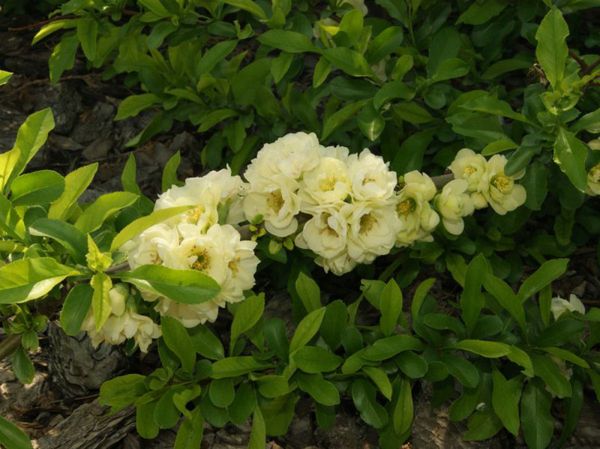
- Nivalis quince is a spreading shrub up to 2 m tall, with a crown of the same diameter. It blooms with large, pure white flowers;
- Quince Falconet Scarlet is a shrub growing up to 2 m tall and up to 1.5 m wide. It has double, dark pink flowers.
- Quince Boul de Fe is a plant with reddish-brown flowers that gather in clusters of 2–6. It also tolerates pruning well and is drought and frost-resistant.
There are thornless varieties of Japanese quince, including low-growing shrubs like Nikolai and Likhtar. Ornamental quince comes in many varieties and flower colors, including Gaillardi (orange flowers) and Malardi (pink flowers with a white border). And if you're choosing a tree to grow as a bonsai at home, the Rubra variety is a good choice, as it can be grown into a dwarf tree. The creeping Chaenomeles is well suited for rock gardens.
Soil preparation and planting
Growing, planting, and caring for Japanese quince in open ground is not difficult. Quince can be planted in spring or early fall. For spring planting, prepare the soil in advance. It is recommended to plant quince in the fall before the cold weather sets in. This will allow the seedlings to establish themselves and survive the winter without problems.
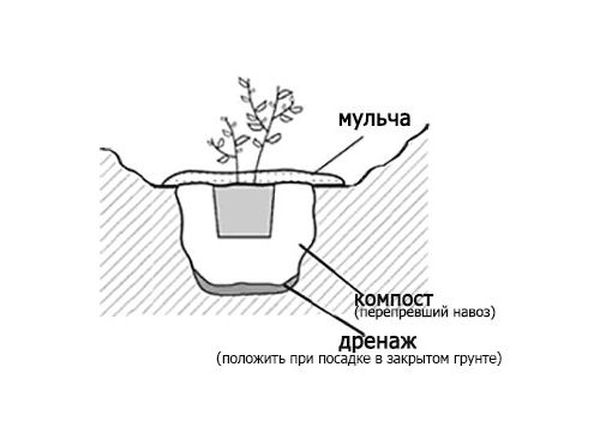
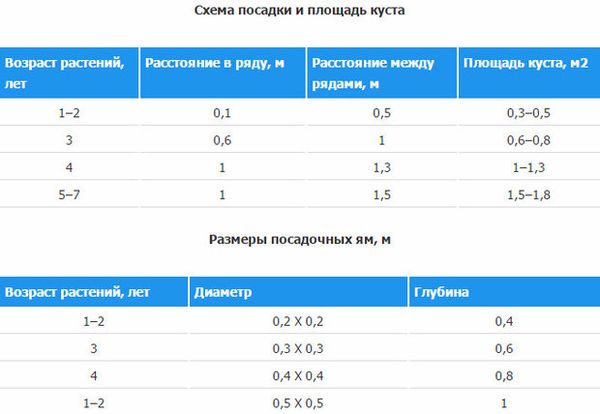
In the fall, dig up the soil in the selected location, remove weeds, and mix the soil with fertilizer. Dig a hole 50–80 cm deep and about 50 cm in diameter at the planting site. Mix the soil from the hole with humus (1–2 buckets) and ash (0.5 kg). Add 300 g of superphosphate and 30 g of potassium nitrate to the mixture. If there is groundwater in the chosen location, be sure to provide drainage; otherwise, the root system will rot.
Before planting the seedling, mound the prepared hole with the resulting mixture of soil and fertilizer. Then, position the seedling so that its root collar is level with the ground and fill it with fertile soil. The shoots should be shortened to 20 cm. Space the seedlings about a meter apart. Incidentally, if you plant several Chaenomeles seedlings of different varieties in the spring, you can harvest them by fall.
Growing from seeds begins with seedlings. Ripe seeds are sown in the soil in early spring. If done correctly, they will sprout within six weeks. After this, they are transplanted into special seedling pots. They are transplanted into open ground as early as May. However, the seedlings must be protected from frost. If you cannot care for the young quince during the winter, it is better to postpone planting until spring.
Chaenomeles does not tolerate transplantation very well, so choose a location carefully and for its entire life.
Care instructions
Just like planting, caring for Japanese quince isn't difficult. The plant easily tolerates drought, cold weather, and high humidity. A properly prepared soil and fertilizer mixture at planting will provide sufficient nutrients for about a year.
During the winter, the tree should be covered with snow to prevent frostbite. If it's not possible to plant the Chaenomeles in a location completely covered by snow, you can insulate the tree with spruce branches and create a snow-retaining shield around it.
Watering
A mature plant doesn't require much water. Regular watering is only required when young. If you want delicious fruit, avoid overwatering. A young shrub should be watered for the last time in August. This is necessary to ensure proper maturation of the shoots.
Top dressing
Fertilize the plant approximately twice a year: once in the summer and again in the fall. If you can't do this, don't worry. Chaenomeles only requires additional feeding if you plan to harvest a bountiful crop. Otherwise, you can get by without it.
Trimming
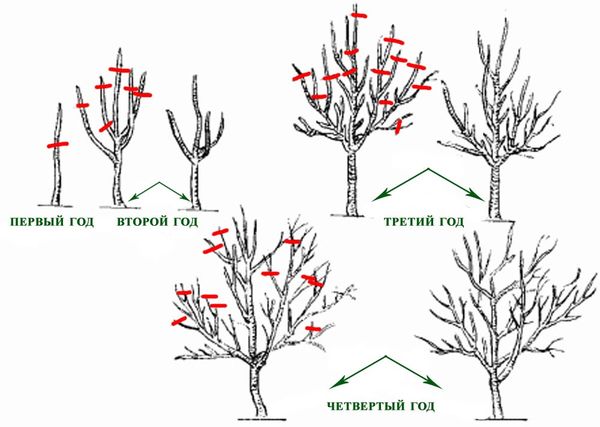
Pruning is performed annually. To prevent the crown from becoming too dense and to remove crooked shoots, it is recommended to prune the tree after flowering. This will help create a beautiful and neat crown.
In warmer regions, multi-stemmed trees are often created, consisting of 3–5 trunks. The crown is formed into a common crown.
Protection from diseases and pests
If you care for your Japanese quince properly, it will likely be disease-free. Problems can only arise if you neglect its growth and health, or if the plant experiences heavy rainfall. In such cases, the quince can become infected with fungus. There is also a risk of infestation by certain pests, including spider mites, aphids, scale insects, and powdery mildew.
Growing and caring for Japanese quince isn't difficult or laborious, but you'll certainly be rewarded with beautiful blooms and healthy fruits if you decide to plant it and give it enough attention!
Video "Japanese Quince: Planting and Care"
This video will teach you how to properly plant and care for Japanese quince.