
Care and growing rules for quince
Content
Types of quince
Quince is described as a heat-loving yet frost-hardy plant. To date, more than 20 varieties have been developed that have proven to be resistant even to severe frosts.
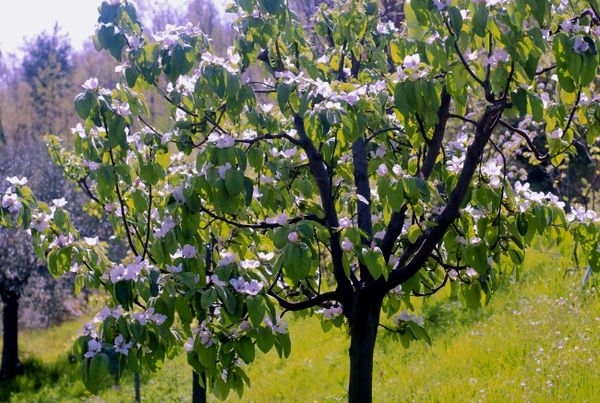
The most popular of them are:
- Teplovskaya quince. It tolerates even prolonged frosts well. This variety is characterized by high yields. The fruits are large, with a sweet and sour taste;
- Ilmen quince. Quince grows even in acidic soil, and the fruit has a sweet taste and a slightly grainy texture;
- Angers quince. This variety has French roots and is renowned for its early fruiting, yet it is very easy to care for;
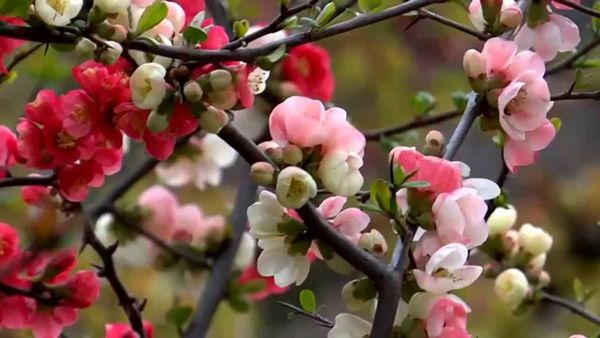
- Chaenomeles quince, or Japanese quince. The most unpretentious species, it boasts not only exceptionally juicy fruits but also decorative qualities. In autumn, this shrub often serves as a hedge.
Planting times and rules
To grow a tree that's not only beautiful but also fruitful, it's essential to follow all the rules for planting and caring for it in the open ground. The first stage is preparatory. This involves preparing the soil for planting the quince. To do this, dig a hole about 40 cm deep and 70 cm wide. Place a layer of brown clay at the bottom.
Next, mix the soil from the planting hole with organic or mineral fertilizers (wood ash, chalk, etc.). Then, pour the soil back into the hole, and after three days, you can plant the quince seedlings. Common quince is a fruit tree, so planting a quince is not much different from planting an apple or cherry tree.

So, you need to plant quince as follows:
- Remove a small amount of soil from the planting hole, place the seedling in the hole, then cover with soil.
- Compact the soil so as not to damage the root collar of the plant.
- Form a tree trunk circle that will retain water.
- Water the seedling generously.
- After the water has been completely absorbed, fill the tree trunk circle with soil and fertilizers (peat, humus, dry leaves).
Depending on the characteristics of different varieties, quince is planted in the spring or autumn months.
Features of quince care
The common quince is an easy-to-grow plant, but it does require some care. Depending on the season, it needs fertilizing, pruning dead branches, shaping the crown, and so on. Gardening tools include a rake, a pollinator, and pruning shears. In early spring, annual sanitary pruning is performed (removing broken and diseased branches and removing dry leaves). After this, rejuvenation pruning can be performed on mature trees, if needed.
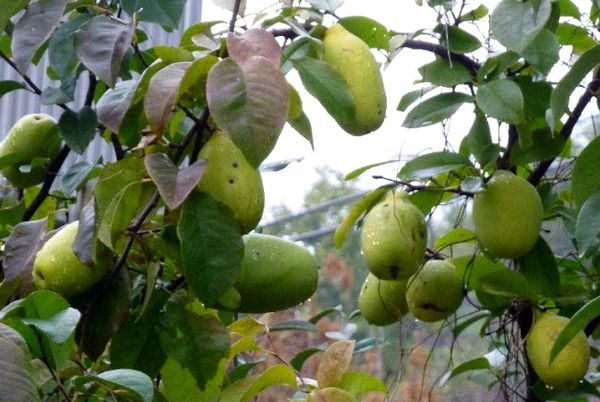
When buds begin to form on the tree, spray it with Bordeaux mixture to prevent pests and fungal infections. At the same time, whitewash the trunk and skeletal branches, ensuring they remain white throughout the spring and summer. During and immediately after flowering, water the tree generously with mineral fertilizer. A week after pollination, apply preventative pest control treatment.
In early June, before the fruit ripens, treat the quince with chemicals to control aphids, moths, and codling moths. Avoid overuse of pesticides; apply treatments only as needed. Both in early spring and summer, quince trees require tilling the soil between trees or adjacent shrubs. In June, the plant also needs a full-spectrum fertilizer. Depending on the quince variety, the fruit ripens between August and October. Therefore, the final pest control spray is best applied between early July and mid-August.
After the ripe fruit has been harvested, the tree begins preparing for "winter hibernation." During this time, the tree is treated with a urea solution and watered generously. After this, the tree should be left alone until the following spring.
Generally speaking, caring for and growing quince doesn't take much time. First, you need to choose the right planting location. This plant thrives on warmth and light and is sensitive to drafts. Therefore, it should be planted away from tall buildings that cast shade and drafts. Regular watering during the dry months will help maintain the right moisture.
Diseases and pests
Growing white or Chinese quince in a garden plot or private yard is hassle-free, but neglecting the tree is also undesirable, as it can be susceptible to attack by pests and bacteria.
Common diseases include:
- Gray mold. Characterized by brown spots, which can be eliminated by spraying with "Champion" or "Topaz";
- Powdery mildew attacks shoots, covering them with a white coating that eventually turns into a film, causing the entire plant to wilt. Fungicides and timely pruning of quince will help get rid of powdery mildew.
- Moniliosis is a fungal disease that prevents fruit from fully ripening. Bordeaux mixture and copper sulfate can help combat this disease.
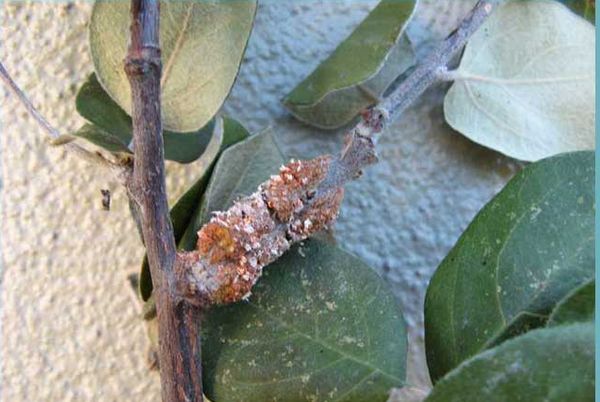
The most damaging pests for all varieties of quince are aphids and codling moths. They can be controlled with soapy water, insecticides, and products such as Lepidocide and Bitoxibacillin. Remember that timely quince care is the key to preventing any disease.
Methods of reproduction
The answer to the question, "How to plant a quince?" depends directly on the planting material. There are five propagation methods, but the most common are:
- propagation by cuttings;
- propagation by seeds.
The most popular method is propagation by seed. To do this, remove the seeds from ripe fruits and soak them in water for 10-15 hours. In early spring, sow the seeds (in pre-fertilized soil) and water them, then wait for the seedlings to emerge.
Cuttings are also a common method of propagation. To do this, take cuttings in early May (each should have at least two internodes). They are then planted in a mixture of peat and sand and watered generously. While growing the cuttings, maintain constant soil moisture until they are fully rooted.
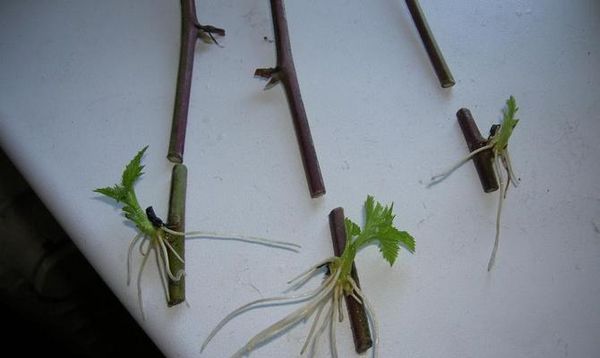
After a month, the cuttings can be planted in a pre-selected location. Regarding grafting, this requires a properly selected quince rootstock. This propagation method is typically performed by professional breeders or experienced gardeners.
Video: Growing Quince
In this video you will hear useful tips on caring for quince.