
All methods of propagation of Japanese quince
Seeds
Propagating quince by seed is the easiest method. The seeds of ripe quince are used as planting material. The seeds are removed from the fruit, the pulp is processed, and the seeds are planted in the soil. The ideal time for planting is autumn, but if planting during this season is not possible, the seeds are stratified.
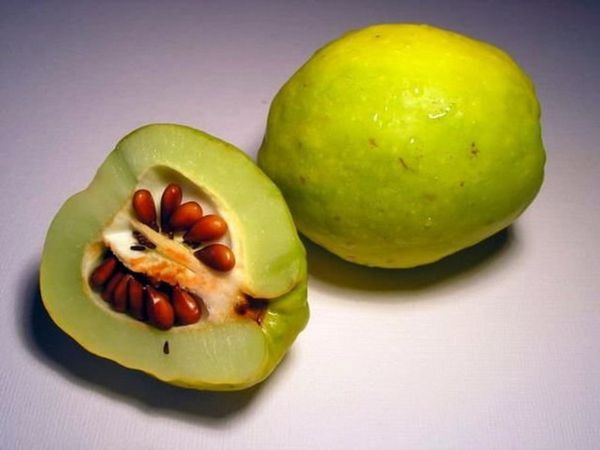
The latter means creating conditions for the seeds that are as close to natural as possible: place the seedlings in wet sand for a couple of months and maintain the soil temperature at 0°C. During this time, the seeds will open and germinate slightly, after which they should be immediately transplanted into open ground. Quince is an easy-to-grow crop, so it thrives in any soil type.
The advantages of this method are obvious: ease of implementation and a high probability of seed germination.
Cuttings
Propagation by cuttings is carried out in early summer, when the plant is actively growing. For this, the strongest shoots are cut and immersed for 24 hours in a solution containing a root growth stimulant. Since the survival rate of cuttings is very low, using this solution is essential. The prepared material is then placed in boxes filled with 70% sand and 30% peat, at a slight angle.
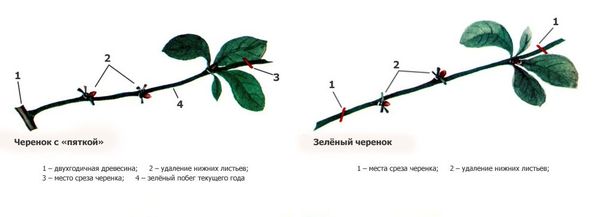
The plant is covered with a transparent material—a cut piece from a plastic bottle or a plastic bag works well. The cuttings are kept under an artificial greenhouse until germination occurs. You can tell the quince bush has rooted successfully by the presence of new leaves. Then the greenhouse is removed, and in early fall the seedlings are transplanted into the open ground.
Propagation of quince by this method assumes complete preservation of varietal qualities.
Layering
Propagating Japanese quince by layering is also a simple method. To do this, in summer, the lower young shoots are placed in trenches under the bush to a depth of no more than 8 cm. It is advisable to fertilize the prepared holes with humus and minerals. The shoots are secured with garden staples and covered with soil.
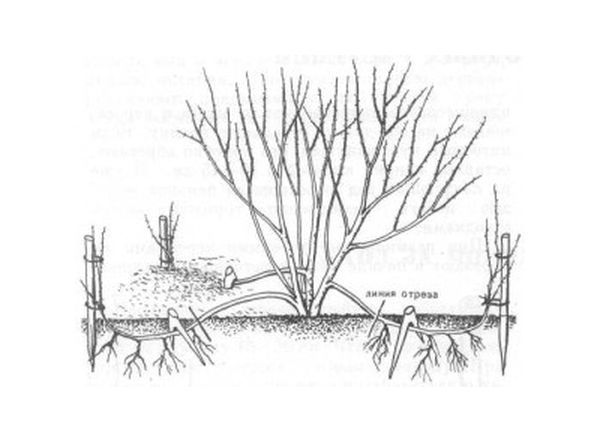
Throughout the entire period, the shoots are watered generously and the soil is mulched. By spring, the first roots should appear, and in the fall, the independent plant can be separated from the mother bush and transplanted to its permanent location. It is recommended to use garden pruning shears or a sharp shovel for pruning. The distance between bushes should be at least 1.5 meters. Further care for this plant is no different from caring for other garden plants.
Root suckers
Japanese quince is a plant capable of producing numerous offshoots. These allow the bush to spread quickly, allowing for easy and natural propagation. In spring, select shoots are dug up and planted in the ground at a distance of 1 meter. It is crucial that the shoot be at least 0.7 cm thick and 12 cm tall. To ensure rapid rooting, the new plant is watered generously, and the area around the trunk is sprinkled with wood shavings.
Unfortunately, this method of quince cultivation is not the most successful. The plant has a weak root system and produces small fruits.
By dividing the bush
Quince propagation methods include another simple method: cuttings. The bush itself cannot be divided, but a couple of shoots can be planted from root suckers. The best time for this method is late autumn. The bushes are spaced 0.5 meters apart. As with the sucker method, don't expect a rich harvest from this plant.
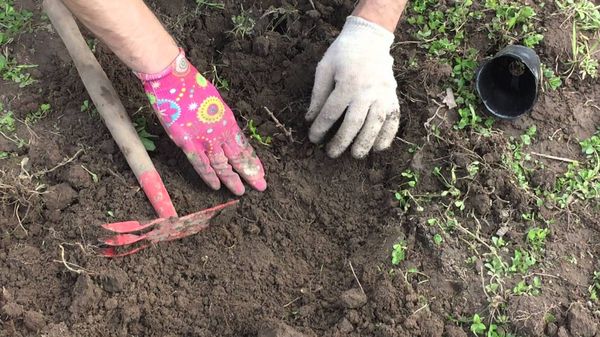
It is very important to follow basic care rules after transplantation:
- the plant needs abundant watering only during the period of active growth, then watering is reduced to a moderate regime;
- feed the bush, like any berry crop (raspberries, currants, gooseberries);
- The crown is pruned annually to prevent the fruit from becoming pea-shaped. The number of branches on a single bush should not exceed 20. The best time for pruning is spring; in autumn, the bush can freeze.
- In winter, the crop must be protected from cold winds, and snow protection shields must be installed so that the plant is under the maximum layer of snow.
Japanese quince can also propagate on its own, but then it forms a hedge with small fruits, making it ideal for solitary planting. Even a novice gardener can propagate the shrub.
Video: Quince Propagation
This video will show you how to propagate quince correctly.