
How to properly plant and care for Japanese quince in the Moscow region
Content
General characteristics
Although the eastern plant originated in Japan, Japanese quince thrives in the Moscow region and central Russia. This small shrub belongs to the Chaenomelos genus and the Rosaceae family. Its exceptionally attractive ornamental appearance, combined with its delicious fruit, quickly made it one of the most popular crops not only in gardening but also in landscape design.
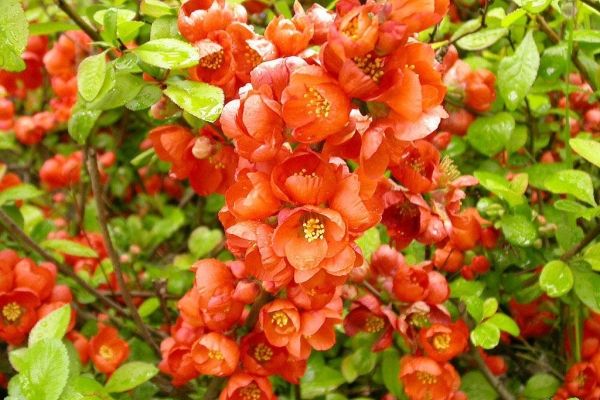
This shrub boasts magnificent flowers, varying in shape and color, and equally attractive, diverse leaves. Quince flowers are quite large, with a double structure. The color and shape of the inflorescences depend on the variety, as do the appearance of the leaf blades. Depending on the climate of the growing region, the bush can reach up to 3 meters in height. In our region, small shrubs, about 1.5 meters tall, with unusual, vibrant flowers and leaves, are most common.
Quince shoots are flexible and resilient, and depending on the variety, they may be covered with small spines. As the plant grows and develops, its color changes from green to brown. The fruits ripen in the fall. These large, bright yellow fruits with bumpy skin are also called "northern lemons." Indeed, in terms of ascorbic acid content, the fruit is only slightly inferior to citrus fruits. The tart flavor and hard, practically juiceless flesh make the fruit unappealing when eaten fresh, but quince jams and compotes are incredibly delicious.
Japanese quince is early-fruiting and self-pollinating, bearing fruit regularly. Most varieties of the crop are heat-loving, but some can withstand quite low temperatures.
Selecting varieties and seedlings
There are currently approximately 480 varieties of Japanese quince worldwide, but only a small number are suitable for cultivation in temperate climates. Quince varieties for the Moscow region should be selected based on the shrubs' ability to tolerate cold and frost. Interspecific hybrids are well suited for the region. The best varieties include Nivalis, Pink Lady, Geisha Girl, Simonii, Piccadilly, and Nikolin. These fast-growing, well-foliated, medium-sized shrubs have an attractive appearance and are easy to train.
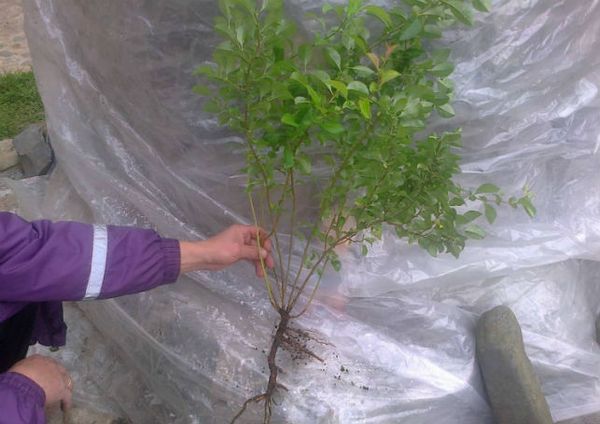
Quince has a fairly extensive and deep root system, so it's best to choose young seedlings, no more than two years old. Ornamental varieties are typically sold in special containers or pots. However, it's also better to choose other plants with covered roots. This will not only ensure the integrity of the roots and protect them from drying out, but also promote rapid rooting and adaptation of the seedling.
Preparing a place for planting
It's recommended to plant quince in the spring, at the end of April, when the air and soil have warmed up sufficiently. First of all, you need to choose the right location. The bush is often planted in shaded areas, which affects its development and subsequent fruiting. Therefore, the site should be sunny, protected from drafts, and have a deep groundwater table.
An optimally chosen location guarantees lush flowers, a bountiful harvest and sweet fruits.
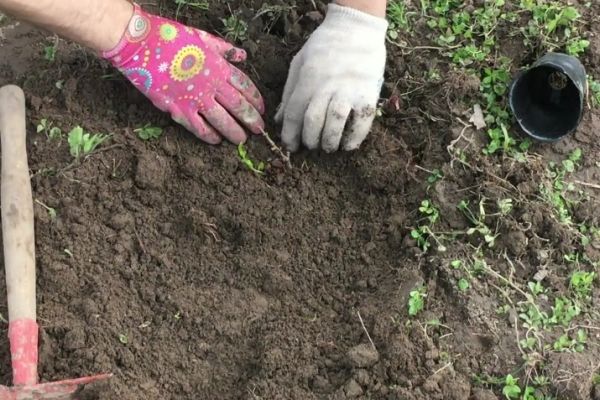
The plant doesn't require any special soil, but its acidity shouldn't exceed average levels. It's also best to choose sites with loose soil that will ensure proper air circulation and moisture evaporation. If the groundwater table is too close to the surface, ensure good, reliable drainage.
It's recommended to prepare the soil in the fall. To do this, dig up the soil, remove weeds and other plants, sprinkle it with leaf mold and sand, and fertilize with organic and mineral fertilizers. If the soil's acidity is higher, add slaked lime or limestone flour.
The landing process
Planting the Japanese variety is no different from planting the common quince. Follow these guidelines, and you'll be successful:
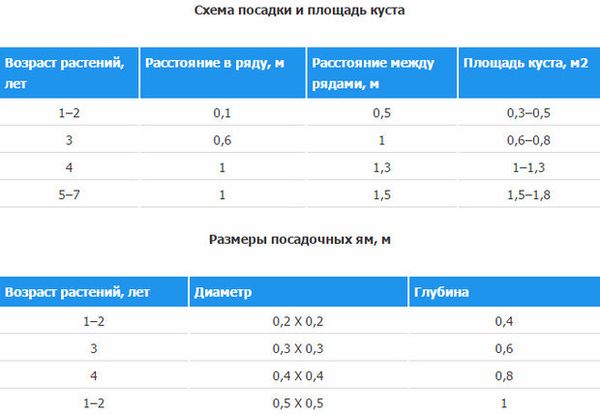
- If you are planting several shrubs at once, maintain the required distance: fruit-bearing trees at a distance of 1–1.5 m, for decorative ones – up to 1 m.
- The dimensions of the hole should be no less than 40 cm in diameter and half a meter in depth.
- For better growth, ⅓ of the hole should be filled with a nutrient mixture consisting of ash, superphosphate and humus.
- The plant roots should not come into contact with fertilizers, so the fertilizer is covered with a layer of soil.
- The seedling is placed in the middle of the hole so that the root collar is level with the surface.
- The roots are carefully straightened and covered with soil, lightly compacted.
- After planting, the bush needs to be watered generously.
- If necessary, the tree trunk area is mulched.
Care Features
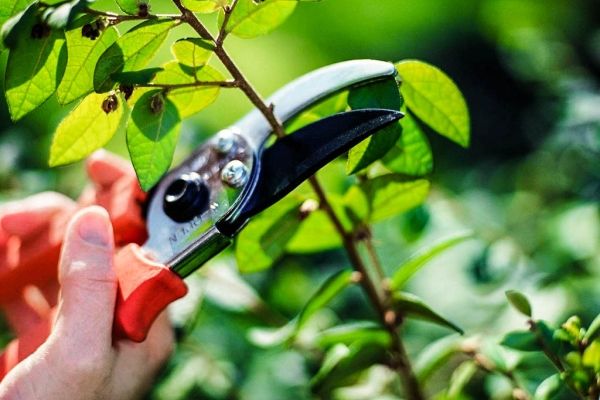
Although the quince tree is relatively easy to grow, it does require regular care. Timely and properly performed agricultural practices contribute not only to the growth of the bush but also to its productivity.
First of all, ensure regular and adequate moisture. Quince thrives on moisture and requires ample watering, especially in hot weather and dry weather. There are varieties that can withstand temperatures down to -30°C, but in harsh winters, it's best to cover the plant by bending the shoots down to the ground. Spruce branches or special covering material can be used for this purpose.
Don't forget about sanitary and formative pruning. To shape the bush, you can prune it several times a season; sanitary pruning is done in the spring, before the sap begins to flow. Dry and damaged shoots should also be trimmed regularly. During the first year, quince doesn't need fertilizing; the fertilizer applied at planting will be sufficient.
But starting in the second year, the plant is fed with various types of fertilizer, depending on the growing season. Liquid fertilizers are not suitable for Japanese quince, so it's better to use wood ash, leaf mold, and granulated or dry mineral mixtures (nitrogen, phosphorus, and potassium). Peat and sawdust can be used for mulching.
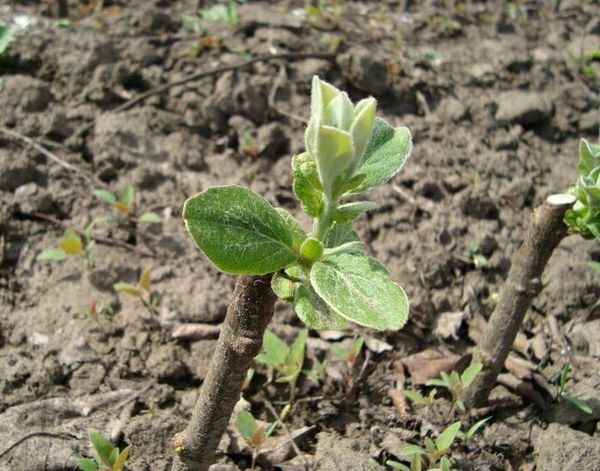
Most quince varieties are resistant to various diseases and pests. However, if your quince is growing alongside other fruit trees, it's unlikely you'll be able to avoid pest attacks.
Apple scale insects, weevils, leaf rollers, aphids, and mites can easily destroy not only the harvest but the entire plant. Therefore, it's important to regularly take preventative measures to protect the tree from fungal infections and parasites. Bordeaux mixture and fungicides are effective in combating this problem. It's also important to promptly remove leaves, dry and damaged shoots, and rotten fruit, and to till the soil.
We hope that our recommendations will help make your garden more perfect.
Video: Growing Japanese Quince
This video will tell you what Japanese quince is and how to grow it.