
What diseases and pests is quince susceptible to?
Content
Quince diseases
Why is my quince tree drying up or why does it bloom but not bear fruit? These are the most common questions from gardeners who grow this plant. The answer is always the same: most likely, your tree is sick. Of course, the most serious diseases are various forms of bark cancer, which cause the bark to peel and split.
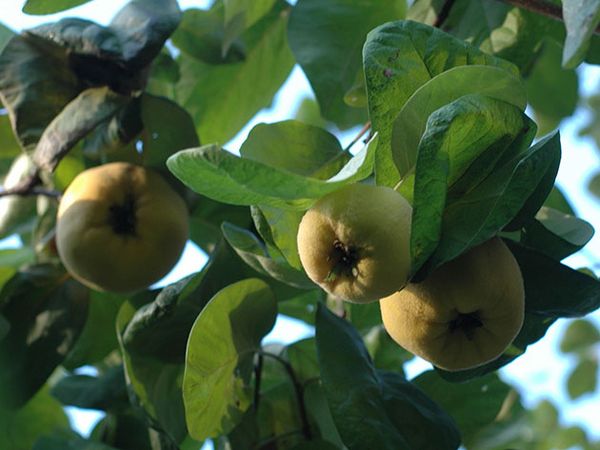
If the bark is intact and isn't peeling, chipping, or cracking, rest assured the plant can be saved. However, if you notice peeling bark, it's best to dispose of the plant immediately. Quince trees are susceptible to numerous diseases other than canker, and we'll look at them in more detail now.
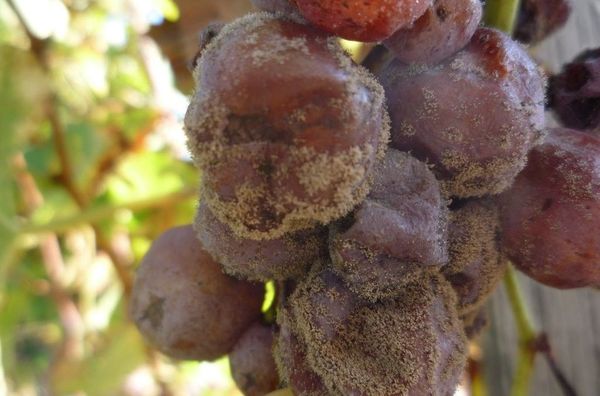
Moniliosis
This is a common fungal disease caused by high humidity. Fruits that already have mechanical damage are the first to be affected. Brown spots begin to appear on them, quickly increasing in size. The quince fruit becomes loose, loses all flavor, and falls to the ground.
What can be done to combat the disease? You can use copper sulfate and Bordeaux mixture, as well as Teldor or Rovral.
Leaf browning
Many farmers wonder: why isn't my quince tree bearing fruit? Another common question is: why isn't the tree bearing fruit properly, even though it appears perfectly healthy? If your Japanese quince isn't bearing fruit, and the flowers on the branches have dried up and fallen off, you're most likely dealing with leaf rust. Another symptom of this disease is the drying of the shoot tips. Sometimes, fruit may still appear on the quince, but they soon turn black and fall off.
What can I do to save the tree? First, remove all infected parts and burn them. After that, you can treat the quince with a treatment such as "Oxyhom" (or a similar product).
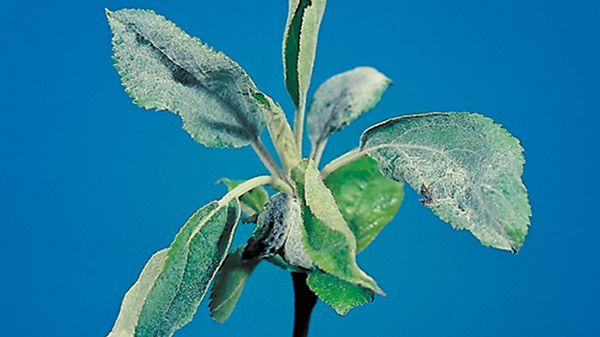
Powdery mildew
Initially, the ends of branches become covered with a pale reddish coating. If left untreated, this coating will soon develop into a thick film, revealing the fungal organisms that cause the disease. The consequences of this disease are quite dire: dried-out shoots stop developing, leaves turn yellow, become deformed, and dry out, and the plants themselves stop flowering and slowly wither.
To combat the disease, fungicides are used to treat the plant.
Rust
At first, small orange bumps appear on the leaves, and pustules form on the underside. Over time, these bumps crack, dispersing fungal spores throughout the area. You may also notice that the leaves turn yellow and fall off very quickly.
To get rid of the infection, various types of fungicides are used.
Rotting of ovaries
This disease begins with the appearance of small dark spots on the leaves, which gradually increase in size. Spores can also enter buds and ovaries, causing flowering to cease.
The disease is eliminated by removing all infected parts of the plant, and then treating it with Fundazol.
Gray mold
Brown spots appear on the leaves, rapidly increasing in size. The plant's shoots are also affected. Over time, the leaves and twigs become covered with a fluffy coating. The disease is dangerous because it can spread very quickly from one tree to another.
The drugs "Oxychom" and "Topaz" have proven effective in the fight against this infection.
Quince pests
In addition to a variety of diseases, quince can be attacked by various insects. These insects are dangerous because they multiply rapidly and destroy the plant. Therefore, to protect the quince from death, it is necessary to identify the pest as soon as possible and take appropriate measures.
Leaf-mining moth
This is a general term for a moth that "mines" the leaves, causing them to first become much lighter than they should be and then fall off. This causes the quince to weaken significantly, making it much less tolerant of low temperatures, and significantly reducing its yield.
You can get rid of insects using Fundazol. To prevent these pests from attacking your quince, simply keep the area around the tree trunk clean.
Fruit mites
These are brown and red mites that pose a serious threat to all fruit trees. They attack young shoots and buds, sucking out all the sap. A characteristic sign of this insect's presence is the sticky droplets of sap secreted by the affected plant.
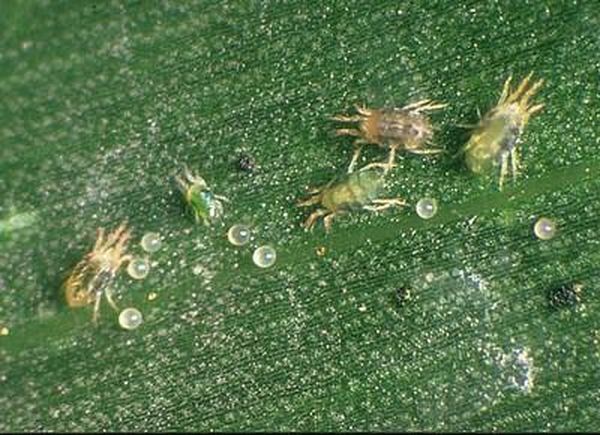
To prevent this insect from appearing, treat the tree with urea (7%) in the fall.
Aphid
They deform leaves and shoots, sucking out all the juices. They stop growing and gradually wither. Aphids also pose a serious threat, as they spread viral diseases that are incurable.
Get rid of the parasite using an insecticide or a soap solution (a bar of laundry soap per bucket of water).
Codling moth
These insects are capable of damaging numerous fruits. They also reproduce very quickly, resulting in several generations of codling moths per season.
The drugs "Lepidocid" and "Dendrobacillin" will help get rid of insects.
Video "Common Quince"
This video will teach you how to grow and care for common quince in your garden.