
Secrets of caring for apricots at different times of the year
Content
Care Features
Growing apricots requires some effort. Apricots prefer warmth and good watering, so if you provide these, they will delight you with tasty and juicy fruits. However, you shouldn't overwater them. It's also important to fertilize the tree and shape its crown to ensure it's strong and pleasing to the eye. All procedures should be performed seasonally.
In the spring
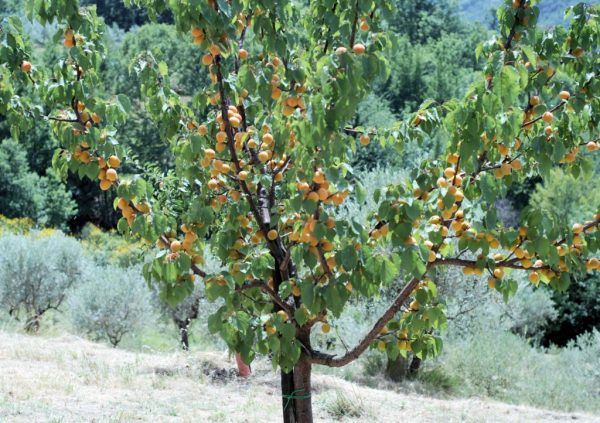
Caring for apricot trees in the spring is crucial. If done correctly, you'll reap a bountiful harvest in the summer. The first steps are taken in early spring, before the tree's sap begins to flow. At this stage, dried and frost-damaged branches are pruned, and the crown is shaped. It's also crucial to treat the tree's trunk with a lime solution, which will kill any insects and pathogenic bacteria that have overwintered in the crown.
Before the buds on the apricot tree swell, it is necessary to feed it using a urea solution. This substance will saturate the soil with nitrogen and completely destroy any pests that could threaten the tree. It's crucial to carry out this procedure in early spring, otherwise the buds will not produce flowers.
As part of prevention, the tree is treated with the following preparations:
- "Agravertin";
- Iskra Bio;
- "Akarin";
- "Healthy Garden".
To feed the tree, you can sprinkle the soil around the trunk with a solution of ammonium nitrate (50 g) and nitrogen fertilizer (70 g). It is recommended to fertilize the apricot tree with organic matter every 2-3 years. If there was a snowless winter and a rainless spring, the tree will need to be watered more frequently.
In summer
Apricots can be propagated using seeds or cuttings. Cuttings are the most common method of propagating apricots. Growing a fruitful plant this way is easy. Once the seedling reaches 15 cm, it can be transplanted to another specially prepared location.
If roots don't appear in water, air layering can be used. As for replanting, it must be done very carefully to avoid damaging the rooted cuttings. First, select a well-lit location with fertilized soil. Next, dig a small hole and transfer the seedling along with the soil it was in.
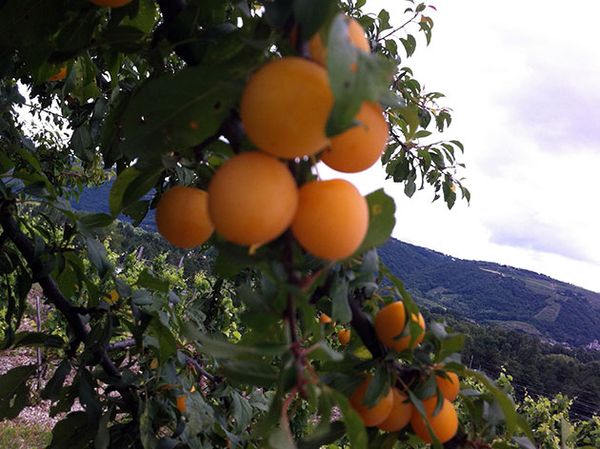
After planting, it's important to water the apricot tree well. Planting is permitted in summer. Rooted seedlings should be transplanted young for propagation. Apricots require a pollinator, so it's best to plant them close to the apricot fields. Weather conditions also facilitate pollination.
Summer is a dry time of year, so watering the tree in June is necessary. This will ensure the fruit is as juicy and delicious as possible. When new green branches begin to grow, they need to be pruned frequently to prevent the crown from becoming too bushy. Otherwise, the fruit will not ripen properly without adequate sun, and the tree will have an unattractive appearance.
If necessary, the tree can be treated against seasonal pests.
It's worth noting that the fruit doesn't ripen after it's picked, so it's important to harvest the fruit immediately before it's green. It's best to start with the lower branches. After the final harvest, it's important to water the tree.
In the fall
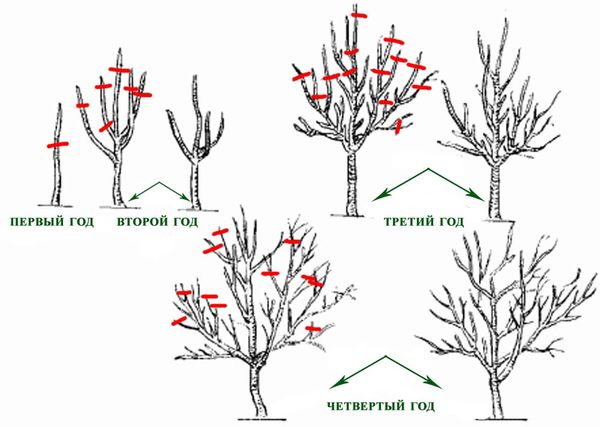
Autumn apricot tree care involves another sanitary pruning of branches broken during harvesting or those infested with pests. After the tree has shed its leaves, they must be removed and the soil around the tree must be dug up to oxygenate it. After this, the plant must be treated one last time to remove pathogenic bacteria and insects.
Preparing for winter
Mature trees don't require insulation. They can easily withstand temperatures down to -30°C thanks to their extensive root systems. Young saplings, however, may not survive frost, so it's important to insulate the tree. To do this, tie the trunks with spruce branches, and wrap the top of the sapling in lutrasil or spunbond. The tree is undressed only at the end of March.
Protection from pests and diseases
There are many diseases and pests that can harm apricots. How can they be prevented?
In early spring, before the buds swell, treat the plant with a urea solution (700 g per 10 liters of water). If you don't apply it before the buds swell, you can't use urea. In this case, use copper sulfate, Bordeaux mixture, or the previously mentioned solutions. Zircon or Ecoberin solutions can also be used. These will increase the apricot's resistance to weather conditions and pathogens.

To kill mites living in the tree bark, use colloidal sulfur or Neoron. Decis or Kinmix are effective against weevils and leaf rollers. It's important to apply the treatment when the air is already warm (18°C), but the tree hasn't yet bloomed. After blooming, it's advisable to carry out a preventative treatment with Oxychom or Ridomil. These products are excellent remedies for moniliosis.
While the fruit is ripening (at least a couple of weeks before harvest), you can treat the tree with Horus or colloidal sulfur. This will help prevent coccomycosis.
After the apricot tree sheds its leaves, it should be treated with urea again. It's also crucial to remove all leaves and burn them, as they provide a perfect breeding ground for pests. Those who know how to care for their apricot trees will always reap a bountiful harvest.
Video: Planting and Caring for Apricots
This video will show you how to properly care for apricot trees in your garden.