
Growing a productive pineapple apricot Shalakh
Content
Description and characteristics
The Shalakh, or Pineapple, apricot is distinguished by its tall stature (up to 4–5 m) and spreading crown, which tends to become dense. The bark of the trees has a grayish tint and frequent longitudinal fissures, while the leaves on the numerous branches are matte, bright green, and quite broad. Armenian pineapple Shalakh apricots bloom before the leaves emerge, densely covering the branches with white flowers with rounded petals that turn slightly pink only at the base.
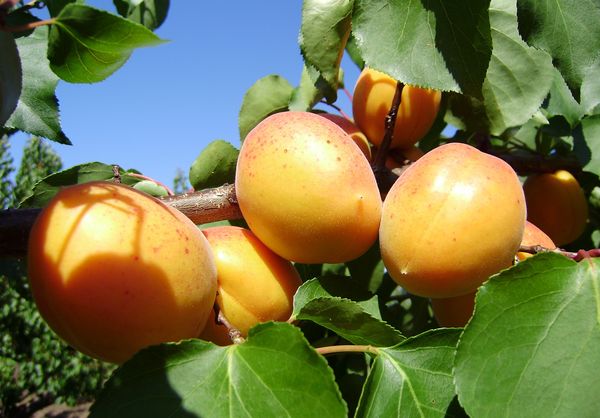
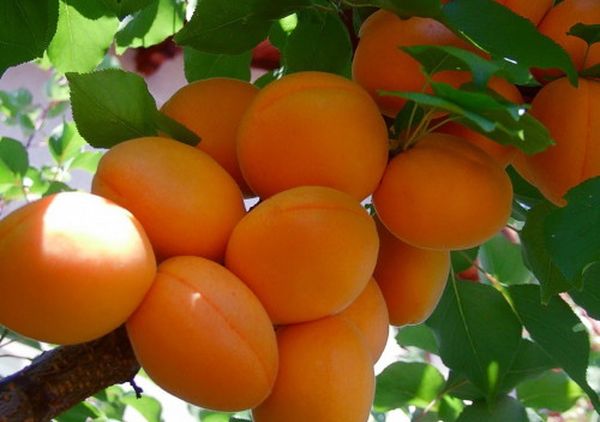
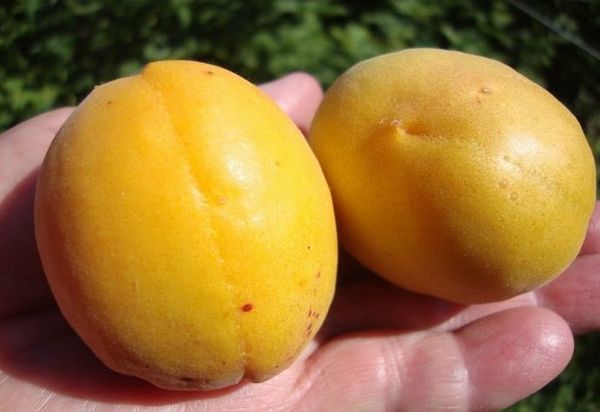
Their fruits ripen in the first half of July, while a closely related apricot, the Sulmona pineapple, yields a harvest later, in August. Juicy and sweet, with a delicate tartness and pineapple aroma, the berries are covered in a very light yellow or orange, soft, hairless skin, hence the name "white Armenian apricot." The stone, with its edible core, easily separates from the flesh, which has a more intense orange color. Fruit weight varies between 35–60 g, but can reach 90–100 g with careful harvesting and favorable growing conditions.
The official description of the variety lists the following characteristics: self-fertility, frost hardiness, drought resistance, and resistance to diseases such as leaf curl, moniliosis, and clasterosporium. Experienced gardeners claim that the yield and flavor of the fruit will only improve when planted alongside peaches, cherry plums, and other apricot varieties. A mature tree is capable of producing at least 100 kg of fruit annually, and the first fruits can be tasted in the 3rd or 4th year of growth.
Planting a variety
Pineapple apricots are usually planted in spring or fall. It's best to choose a one-year-old seedling, 60-70 cm tall, with 2-3 branches, and a well-developed root system. Prepare the planting hole in the fall, digging it at least 80 cm in diameter and depth. Fertilize it with organic and complex mineral fertilizers, add dolomite flour or lime for deoxidation, and add sand if the soil is too heavy.
Apricots thrive in warmth and sun, so choose a suitable location, 3–5 meters away from other trees and buildings. It's best to plant the tree in a raised area where the groundwater level isn't too high. Avoid allowing water to stagnate around the roots; to avoid this, you can create a drainage layer at the bottom of the hole.
Before planting, dried roots can be soaked for several hours in water with a dissolved growth stimulant or dipped in a clay slurry with added manure and baking soda. Spread the roots on a mound of prepared soil, cover, compact, water, and tie the seedling to a stake. The root collar should be 5–8 cm above ground level.
Care Features
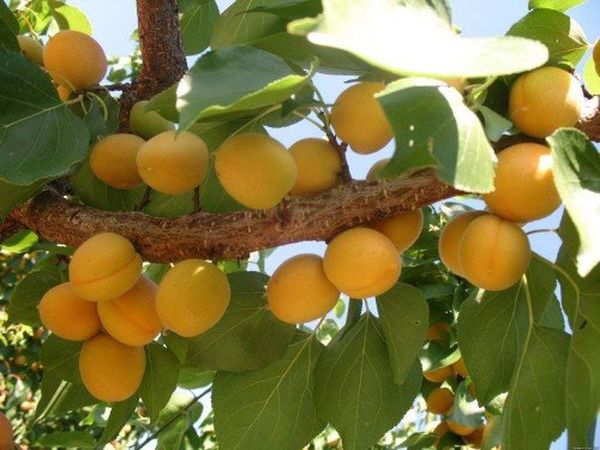
Armenian pineapple apricots require regular pruning, which is done annually in the spring and fall. The crown is shaped for up to four years, and then prevented from becoming too dense. In the first spring, the main stem is shortened by 25 cm, and all shoots are shortened by a third. They are shortened again in the fall. Four to seven skeletal branches and three to four semi-skeletal branches are formed on the trunk to create a wide, bowl-shaped crown.
Until the tree reaches four years of age, it's best to remove flowers to strengthen it. Regularly remove weeds, loosen the soil, and keep the area around the trunk clean. Young trees require watering, while mature trees can get by with rain alone. Moisture is especially needed during fruit ripening and after leaf fall.
Trees are fertilized depending on soil conditions. Nitrogen is applied only in the spring, while phosphorus and potassium are applied the rest of the year. If regular fertilizing is needed, organic matter is added to the tree's trunk circle in the fall. In the spring and fall, the trunk and skeletal branches are whitewashed with slaked lime, clay, and copper or iron sulfate.
It is advisable to cover young trees for the winter if severe frosts are expected.
Ripening and harvesting
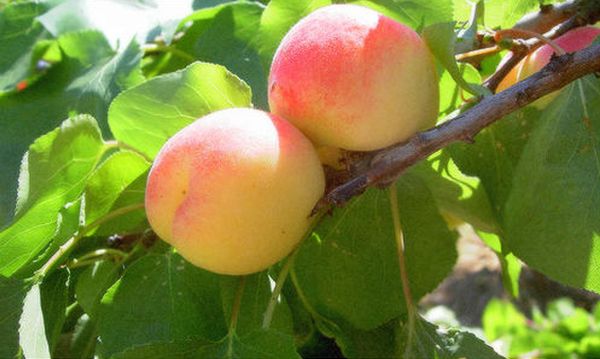
Armenian apricots of the Shalah variety ripen in early July, with the exact timing dependent on weather conditions. The fruits should be picked by hand only, especially if they are intended for fresh consumption or storage. If the branches are shaken, they easily fall off, damaged by impact with the ground. It's best to do this on a dry, sunny day, but don't wait until the harvest is ripe. The harvest should be completed within 5-7 days to prevent overripe fruits from falling off, as they are very easily torn from the stem.
Fresh fruit is stored in wooden or cardboard boxes, and the temperature is gradually lowered to preserve it longer. Slightly bruised fruit is best processed. They make wonderful desserts, and jams, jellies, and dried apricots can delight with their aroma, flavor, and healing properties all winter long. To preserve fresh fruit longer, they are picked before they are fully ripe, interspersed with napkins, and stored at a lower temperature.
Pros and cons
According to the description, the advantages of the Pineapple apricot outweigh its disadvantages. This self-fertile, early-ripening variety with excellent resistance to several common diseases, drought, and frost, regularly produces large quantities of large, tasty, and healthy, almost white fruits, making it a compelling choice. The versatile fruits are easy to transport, making them convenient for those growing Pineapple apricots for sale.
The downsides include fruit shedding after ripening and a short shelf life. Ripe fruits can be stored for up to 10 days at a low temperature. If you take extra care (harvesting them at the technical ripeness stage and wrapping them separately in paper), this shelf life can be extended to 3 weeks.
Video "Apricot Shalah"
In this video, you will hear a description of the Shalakh or Pineapple apricot variety.