
Rules for planting and caring for apricots in the Moscow region
Content
What should the grade be?
Apricots are a healthy and tasty fruit that grows in almost every garden. They can be used to make delicious compotes, preserves, and various jams. Growing apricots in the Moscow region requires knowledge of certain rules and subtleties, as apricot trees are very delicate and can become diseased or, in the worst case, even die. They require proper care, and choosing the right variety is crucial.
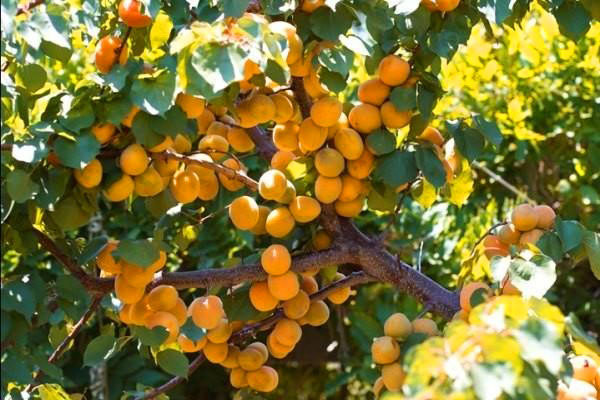
An important characteristic of this variety is its self-fertility. This means the plant pollinates without the help of other organisms. Moscow apricots are mainly early varieties, bearing fruit in late July or early August. Like any new plant, they are produced by grafting onto rootstock. There are many varieties grown in the Moscow region. But gardeners consider the following to be the best:
- Red-cheeked;
- Hardy;
- Honey;
- Bullfinch.
All of the above varieties are early-bearing. Krasnoshchyok is the most popular apricot variety in the Moscow region. The tree grows vigorously and tolerates low temperatures and sudden temperature fluctuations very well. This variety is characterized by high yields and large fruits, bearing fruit in the third year.
"Vystolivy" is one of the best apricot varieties for winter hardiness. Its name itself speaks volumes about its characteristics and advantages. Not only is the tree itself resistant to low temperatures, but the flower buds also withstand spring frosts well. A vigorous apricot tree, once planted, produces fruit only in its fifth or sixth year.
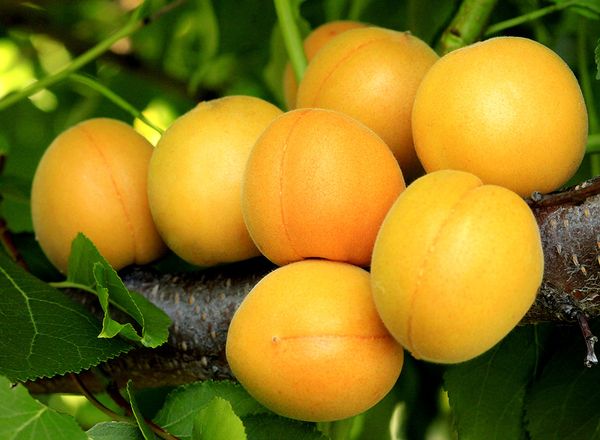
The fruits of the Medovyi variety are sweet and aromatic. Remarkably, even at -33°C, the tree will produce an excellent harvest. Neither wind nor sudden climate changes will hinder it. The Snegirok stands out for its ability to grow under cover in far northern locations. Despite its small stature (120–150 cm), the apricot tree produces an excellent harvest. The fruit will grow sweet and large.
Among the miniature varieties, gardeners favor the "Chashechka" variety. The tree is compact compared to other cultivated varieties (up to one and a half meters) and can grow without shelter. However, it is still recommended to cover the crown during the winter.
When and how to plant
Apricots are best planted in the spring. This will help protect young seedlings from freezing. Most novice gardeners face the question of how to plant apricots in the Moscow region and surrounding areas, and how to grow them from a small seed or on a domestic plum or cherry plum rootstock. It's best to buy seedlings from a nursery—a place where cuttings are propagated from scratch. Growing apricots doesn't require a lot of time.
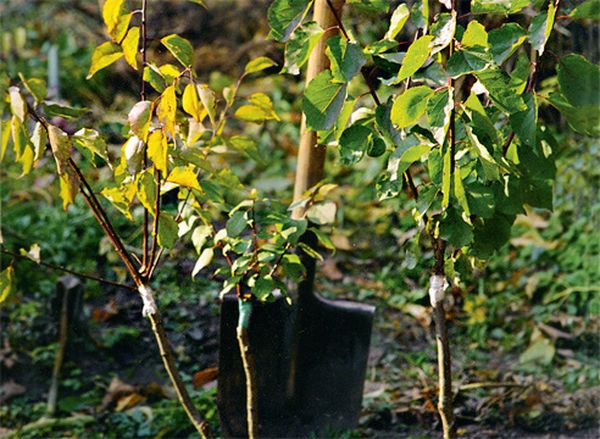
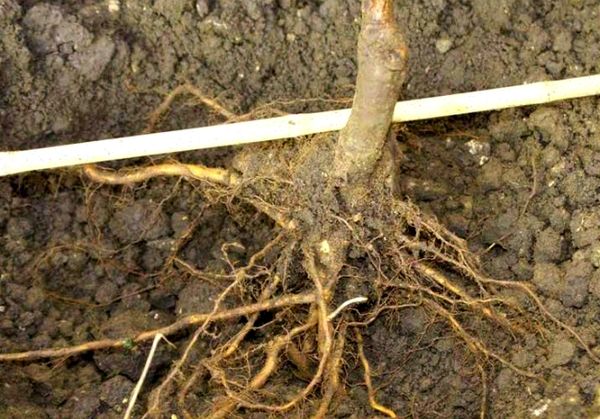
For the seedling, dig holes in the open ground approximately 70 cm deep and 50 cm wide. Place a few broken bricks at the bottom of the holes to provide drainage for the root system. The distance between trees should be approximately 5–6 m to ensure comfortable growth. One of the basic rules concerns the placement of roots, which should be located in the top layer no deeper than 40 cm. The planting hole should be prepared in advance and fertilized. The soil should be a mixture consisting of two parts soil, one part humus, and 400 g of nitroammophoska.
Mix everything thoroughly and place it in the prepared holes, filling them halfway with the mixture and compacting it lightly. Then, it's important to water the soil to help it settle, and then cover it with regular soil. You don't have to buy it from the store; soil from digging a hole will suffice. Place the tree carefully, spreading the roots out to the sides. After planting, compact the soil around the trunk, create a circle around the trunk, and water it generously. Then, cover it with grass to retain moisture.
Gardeners believe that trees grown from seeds are better adapted to the local climate and are easier to care for. To grow apricots in the Moscow region, it's best to start in the fall. Choose seeds primarily from overripe fruits (they separate easily from the pulp), and only from varieties that are adapted to specific regional weather conditions. Wash and dry them slightly, then soak them in water to calibrate. If the seed is empty, it will float to the surface. Anything remaining at the bottom can be planted. Place the future tree in prepared trenches.
Place grass on the bottom, then cover it with a mixture of sand, humus, and soil. Then cover it again with manure and other plant material. However, not all the seeds will sprout in the spring. This is no cause for concern, and the answer to the question, "Why didn't they all sprout?" is simple: only the strongest, those that have been hardened off, will survive. These are the ones who will delight you with green shoots if you care for your apricot tree properly.
Further care
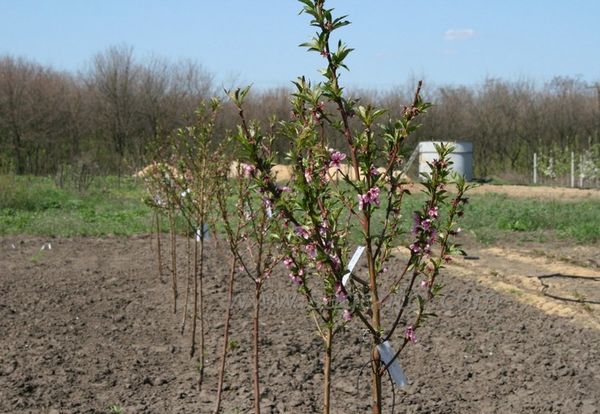
In the spring, seedlings planted from the seeds should be covered with transparent plastic bottles, protecting them from hypothermia, insects, birds, and mice. Over the summer, the seedlings grow well and can be transplanted to a permanent, well-lit location. During the first year, trees require careful care. During this period, the entire plant develops a unique immunity, which determines the quality and quantity of fruit. Missing this moment can ruin your efforts forever. In the spring, shortly before the sap begins to flow, the tree is shaped and pruned to centimeters, removing any frostbitten or diseased branches.
Tree trunks and the base of branches are treated with a lime solution, and a micronutrient fertilizer is added to the apricot trees. The first fertilization is with urea, which will saturate the soil with nitrogen and prevent attacks by rodents that overwinter in the bark. However, this must be done before the buds swell to avoid injury and burns. If for some reason you don't have time to apply the fertilizer or simply forget, then the trees are sprayed with chemicals such as:
- "Agrovertin";
- "Healthy Garden";
- "Avertin".
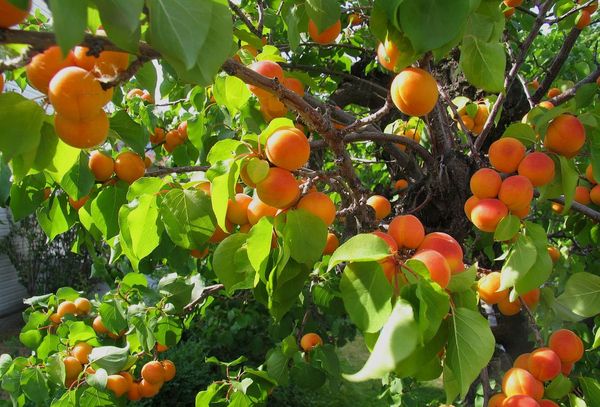
Growing apricots in the Moscow region requires specialized knowledge when planting and caring for them. Dry fertilizer is applied to a small depression around the base of the tree, known as the trunk circle. The proportions are adjusted based on individual needs. On average, 70 grams of nitrogen fertilizer and 50 grams of ammonium nitrate are used per tree. Organic fertilizers are also used for top dressing.
Before the apricot tree blooms, it is sprayed with anti-mite preparations.
Most often, this is colloidal sulfur or "Nero." During the flowering period, an infestation of weevils, which eat the centers of flowers, and leaf roller caterpillars begins. To destroy them, the crowns are treated with "Decis." In May and June, mature trees are thoroughly watered, and to ensure a ripening harvest, they are pruned, thinning the crown.
During the active growth phase, fruits require prevention of coccomycosis and powdery mildew fungi with Horus. Remember that any chemical treatment requires precautions. If you miss the opportunity, don't take any additional measures. Next year, be more vigilant and read helpful information on how to plant apricots and what to do once they're blooming.
Preparing for winter
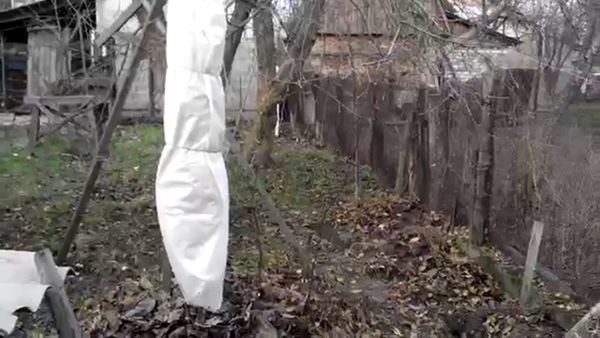
To ensure a successful winter, healthy growth, and blooming apricot trees next season, proper care is essential: remove fallen leaves and till the soil around the tree trunks. Before wintering, treatments are also carried out to prevent diseases and pests, which hide under the tree bark and in the soil. Young apricot trees should be protected for the winter by making a shelter out of sticks covered with agrofibre. The lower part is covered with soil. Mature trees are traditionally covered with burlap. In winter, the trunks are covered with snow to better preserve the roots and replenish moisture. In the spring, the apricot tree will reward you with blooming crowns and then a bountiful harvest of fragrant and juicy fruits.
Video "Apricot in the Moscow Region"
In this video, you'll hear helpful tips for growing apricots in the Moscow region.