
Why doesn't the apricot tree bloom or bear fruit?
Content
Main reasons
Apricots, like any fruit crop, don't begin to bear fruit immediately. This requires at least 3-5 years after planting. Moreover, the time it takes for flowering and fruit set to occur varies by variety. Therefore, it's important for gardeners to know the appropriate year for a particular apricot variety to bear fruit. The tree may be too young to produce fruit. The seller will usually advise the appropriate age.
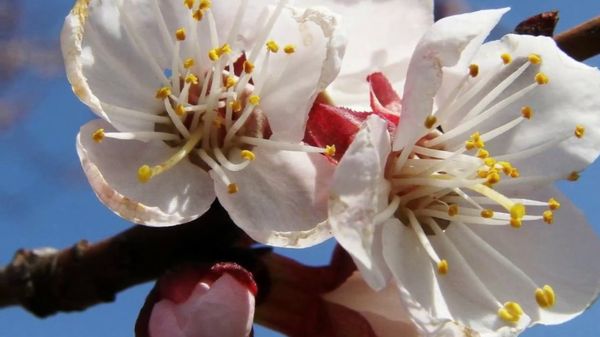
However, if a grown apricot tree isn't bearing fruit, there's a compelling reason. Let's look at the most common reasons why a tree doesn't bloom. Knowing the root cause will help you understand how to get your apricot tree to bear fruit.
Soil and tree location
Very often, apricot fruiting does not occur because the tree is located in an unfavorable place. This plant prefers garden areas protected from winds. The location must be evenly lit and warmed by the sun. The best solution is to plant the seedling in a raised area, where it will not be affected by cold air.
However, it can happen that a tree grows in the right location but fails to bear fruit. In this case, the problem lies in the soil. Light loamy or clayey soils with a neutral pH are suitable for these trees. However, fruit production should be avoided in heavy loams and clays, as well as in soils with high acidity.
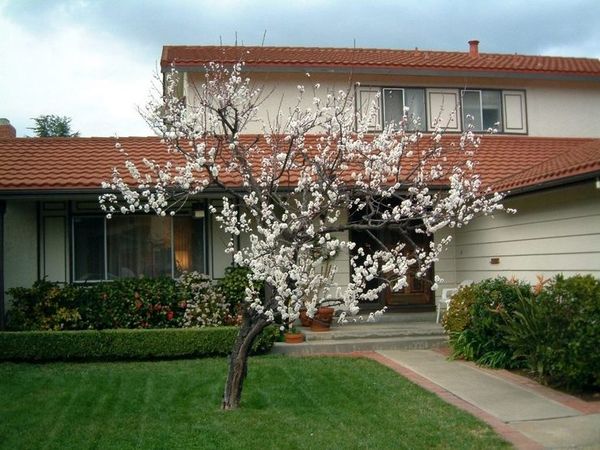
Improper care
Is your apricot tree not producing fruit? It's possible the tree isn't being properly cared for. Seedlings require thorough care, especially after planting. This is the period during which the plant is most susceptible to adverse environmental factors (such as early cold snaps, strong winds, etc.). However, even mature trees won't bloom if they aren't properly cared for.
Apricot blossoming occurs if the following agricultural procedures are carried out:
- Watering should be timely and complete. This crop is very sensitive to excess moisture, so watering should be balanced. Weather conditions should always be taken into account. In hot weather, increase the amount of water. During prolonged rains, stop watering altogether.
- Periodic fertilizing. This is especially important during the period of fruit formation and ripening. Young trees require organic matter. For mature trees, complex fertilizers containing superphosphate, saltpeter, and potassium chloride are suitable. Mineral fertilizers should also be given. Be careful not to overdo it. If you overdo it, the tree will not bloom. This will increase seasonal shoot growth.
- Pruning. With proper crown formation, an apricot tree will not waste nutrients and will devote all its energy to fruit formation. Old and dried shoots should be pruned. Damaged branches should also be removed, otherwise the apricot will waste energy on its own recovery.
Experienced gardeners note that mature apricot trees need to rest periodically throughout the season. A decrease in yield indicates that the plant needs a rest. If the tree begins to bear less fruit, it needs to be given a rest. This is accomplished by removing the blossoms from the branches.
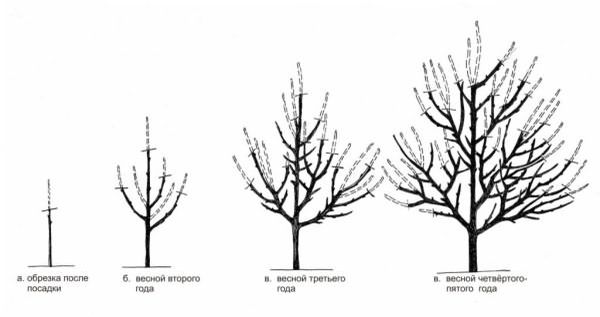
The main mistakes made when growing this crop have been listed above. However, these are not all the reasons. Why isn't the apricot tree blooming? Perhaps it was poorly pollinated?
Pollination
If there are no fruits on the tree, it may be because the ovary simply failed to form. This is due to poor pollination.
Many apricot varieties are self-fertile. This means they don't require special conditions to develop ovaries and fruit. However, if single-sex plants are planted, fruit will not appear without cross-pollination. These varieties require specialized pollinators. The pollinator and the single-sex variety need to bloom at the same time. If one blooms earlier and the other later, pollination will not occur. Therefore, it's important to be aware of when the flowers bloom on the trees in your garden.
For pollination to occur, the distance between plants should be less than 100 meters. Alternatively, grafting should be done. The material for grafting should be taken from a cultivar. Bees can also be attracted to the garden. These insects are excellent pollinators.
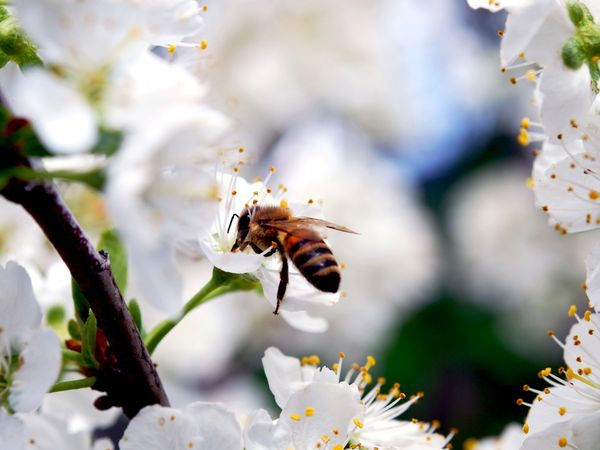
Pollination can be affected by weather conditions. For example, if the onset of flowering coincides with prolonged rain and bad weather, the tree will not produce fruit under these conditions.
Diseases and pests
Sometimes, a lack of harvest is due to a disease or parasitic infestation of the apricot tree. In this case, the flowers bloomed and were even pollinated, but were damaged by insects and failed to form ovaries. They may also simply fail to appear because the tree was previously infected with pathogenic microflora. Diseases and parasites are especially dangerous for young trees, since a recently planted sapling does not yet have the necessary immunity.
If the plant has been affected by fungi or viruses, the formed buds may not open.
What to do
What should you do if your apricot tree isn't blooming for some reason? You need to determine the cause and eliminate it. Usually, it's enough to simply adjust your care: water more often, fertilize, prune properly, etc. Therefore, what you do depends solely on how attentive you are to the source of the tree's woes.
Remember that your actions to address the current situation should always be based on the identified deviations from the norm. However, sometimes replanting is the only way to get a tree to bear fruit. This radical approach is only suitable for young trees.
Video: "Why Apricots Don't Bear Fruit"
This video will tell you what needs to be done to get your apricot tree to bear fruit.