
Review and cultivation of the best frost-resistant apricot varieties
Features of cultivation
Apricot trees are unpretentious plants, but in cold winter conditions, it is necessary to approach the issue of not only choosing the right variety, but also the right planting location with particular care.
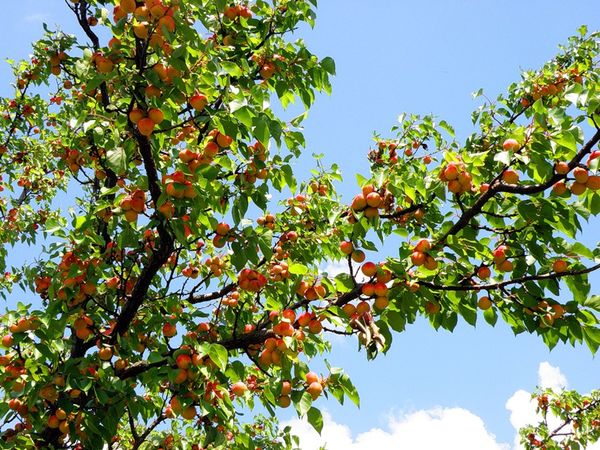
Heat-loving apricot trees prefer sites on elevated or flat terrain, where they won't be shaded by other trees or mountains. Ensure the planting site receives even sunlight and is protected from strong winds. Furthermore, these fruit trees are not moisture-tolerant, so they should not be planted near groundwater.
Regardless of whether groundwater is present, a drainage layer is added to the hole for the seedling. The seedling, which should be no more than two years old, is then placed in the hole. If the root system has dried out, soak it in warm water for 24 hours. After planting, fill the hole with a mixture of soil, sod, peat, and superphosphate. If the soil lacks potassium, which apricots love, fertilize the soil with potassium-phosphate fertilizer a month before planting.
In the Leningrad region and further north, apricots are planted only in the spring and only after all possible frosts. Apricot trees are extremely sensitive to temperature fluctuations, especially in spring, as the weak buds can freeze even at -1°C.
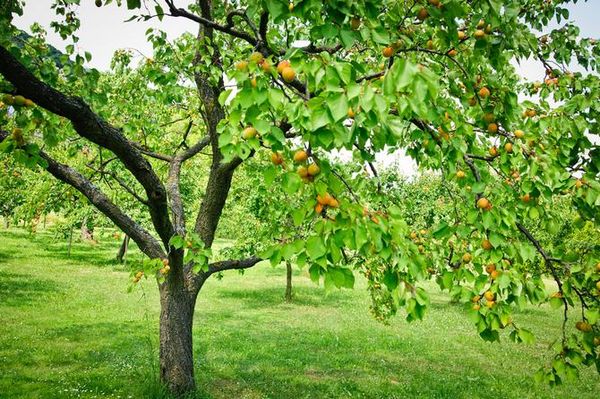
After planting, the seedling is watered generously. Subsequently, watering follows the usual fruit tree schedule. The only special consideration is a generous watering before wintering.
Incidentally, winter preparation is a crucial step in preserving any apricot variety in Northwest Russia. In the fall, dry and diseased stems are pruned, and all rotten leaves, fruits, and branches are removed from the ground around the tree. After watering, the soil around the tree is compacted, then mulched and covered with a thick layer of pine needles. The next step is whitewashing the tree trunks, using a mixture of clay, lime, and copper sulfate. Snow is packed tightly around the trunk to retain heat.
All of the above points are essential even for frost-resistant apricot varieties; they will not only help preserve the trees but also increase yields next year.
The best varieties
The main requirements for varieties bred for northern latitudes are winter hardiness and undemanding soil conditions. Among the best varieties are the following:
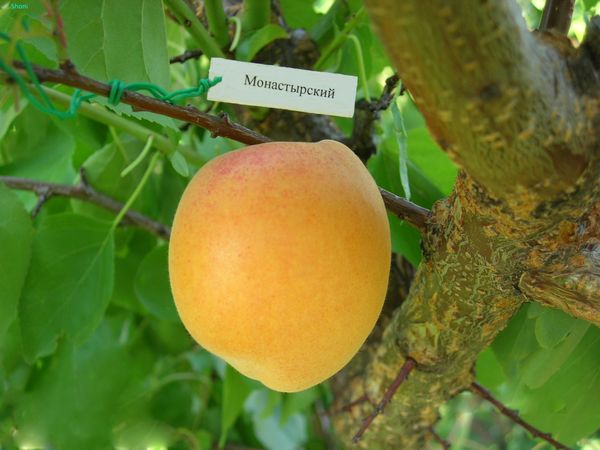
- The Monastyrsky apricot was bred by L. Kramarenko and is currently one of the most popular. The spreading, tall trees of the Monastyrsky produce medium-sized fruits with orange-red skin and very sweet flesh. Ripe fruits are eaten raw, sold, and processed. The variety is relatively disease-resistant.
- The description of the Academician apricot variety always mentions its tolerance to severe frosts. The lowest temperature at which the Academician survived and produced a harvest the following year was -40°C. Furthermore, the Academician's advantages include its early flowering and large yields of large fruits, which can weigh up to 55g. In addition to these characteristics, the Academician is undemanding of soil conditions and can tolerate high humidity.
- The Vynoslivy apricot lives up to its name. It owes its name to its winter-hardy qualities, which provide farmers with stable annual yields of up to 60 kg. The Vynoslivy fruits are sweet, slightly pubescent, and have a delicate golden skin. The variety's disadvantages include late ripening and late fruiting.
- The Olimp apricot, bred in the mid-20th century by Russian breeders, has a much earlier onset of fruiting. K. Kostina and O. Zabranskaya ensured that Olimp was resistant to the diverse climatic factors encountered in Siberia, including drought, frost, and insect infestations. The fruits turned out to be very large (almost 70 g), sweet, and ripening by mid-August.
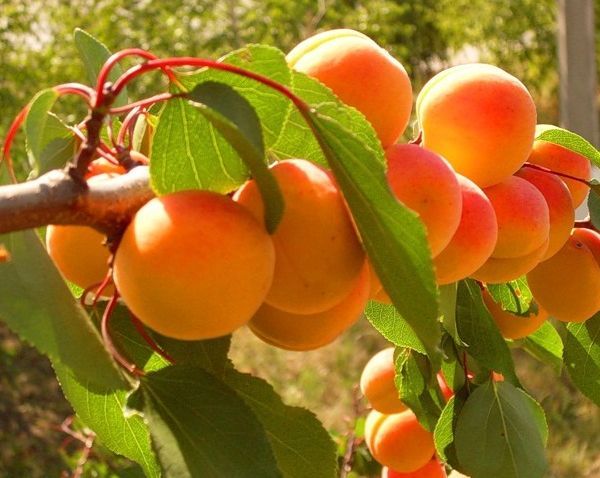
- The relatively new apricot hybrid, Late Far Eastern, is very frost-hardy. The fruits of the Late Far Eastern are medium-sized, orange with a bright scarlet blush. In northern regions, the fruits ripen by the second half of August, and the yield from a single tree can reach 50 kg.
- The Melitopol Late apricot was developed in southern Ukraine but gained popularity in northern climates due to its high cold tolerance. The Melitopol Late begins bearing fruit in the fourth year after planting, and the word "late" in the name indicates that the fruit ripens only by late July to mid-August.
- The Northern Lights apricot delights farmers with its attractive appearance and winter hardiness. Northern Lights trees produce large yields even at 15–20 years of age (up to 20 kg). Small, scarlet fruits with juicy flesh ripen by the second half of August;
- The Orlovchanin apricot, despite its vegetative qualities, is not grown for fresh consumption. Orlovchanin fruits have a tart flavor, are medium-sized, and have yellowish-brown skin. However, Orlovchanin trees begin bearing fruit very early, producing abundant harvests.
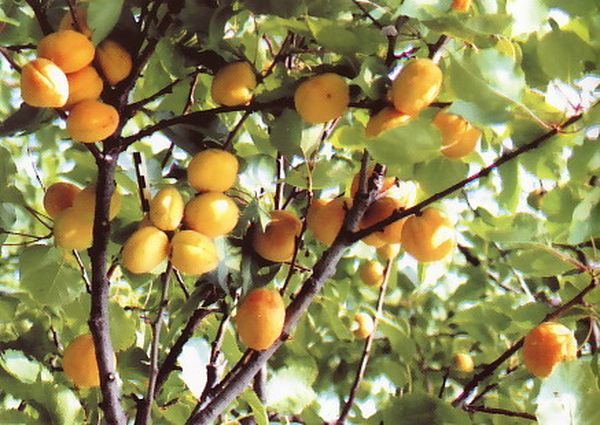
- Another commercial apricot variety is the Snegirok. However, the Snegirok's problem isn't its taste, but its fruit size—a fruit can weigh as little as 15 grams. The Snegirok got its name from the color of its skin—the delicate skin is almost completely covered in a scarlet blush. Snegirok trees are tall, and the variety is capable of self-pollination and annual fruiting.
- The Goldrich apricot, bred in the USA, gained its popularity thanks to its unusual characteristics—its very large (about 100 g) orange fruits resemble tangerines in both appearance and taste. Furthermore, Goldrich exhibits excellent cold and drought tolerance, resistance to fungal diseases, and yield.
- Another "immigrant" from the American continent, the New Jersey apricot, has taken root well in our latitudes. This is thanks to farmers who grow the fruit commercially. Thus, at the end of August, you can see medium-sized, very attractive, and sweet fruits of this variety on store shelves.
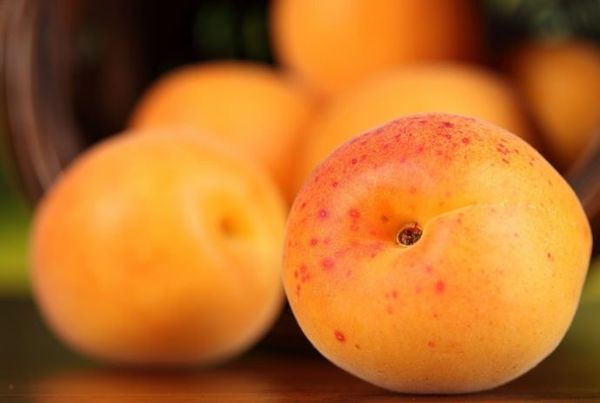
- The small, sweet-and-tart fruits of the Augustine apricot are most often consumed processed. Despite the fruit's size, Augustine remains popular due to its exceptional frost resistance: trees can tolerate temperatures below -40°C without harm.
- The Artem apricot was bred specifically for cultivation in the Siberian climate. Artem trees are resistant to cold, drought, and various diseases. In their fourth year, the trees begin to bear medium-sized (approximately 30 g) fruits with dense, juicy, slightly tart flesh. Unfortunately, the variety is not capable of self-pollination.
- The Bai variety's fruits can begin ripening as early as late July. Bai can delight gardeners with fruits weighing up to 40 g with a pleasant tart flavor. The total yield from trees of this variety can reach 100 kg, even in severe cold conditions.
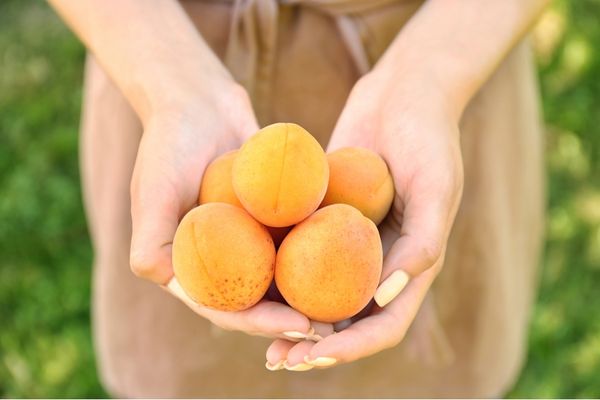
- The Red Partizan apricot was developed in the Soviet Union and has remained popular with farmers ever since. The oval-shaped, orange-red fruits have a bright, distinctive flavor and a pleasant aroma. The medium-sized fruits ripen in the second half of July. Despite their early fruiting, Red Partizan trees have average cold hardiness.
- The Beltyaevsky variety has similarly average winter hardiness. However, with proper care, Beltyaevsky trees can produce a harvest of medium-sized fruits covered in yellow-red skin with fine hairs. The flesh is sweet, with a slight tartness. Beltyaevsky produces its harvest by the end of August.
These are far from all the apricot varieties suitable for growing in the cold northern climate. However, despite the wide selection of fruit trees, farmers in the northeastern regions should not forget the agricultural practices used for growing orchard crops.
Video: "Forming the Crown of an Apricot Tree"
This video will show you how to properly prune an apricot tree.