
When do apricots usually ripen and what does it depend on?
Content
What does the term depend on?
Some sources indicate that Armenians were the first to cultivate this plant. Others claim that this fruit's origin is China. Nevertheless, Armenian apricots remain in high demand and are sold worldwide. They are purchased for fresh consumption and for further processing. The main advantage (besides their excellent taste) of these fruits is their early ripening. Even before similar fruits are available on the market, Armenian apricots are already available.
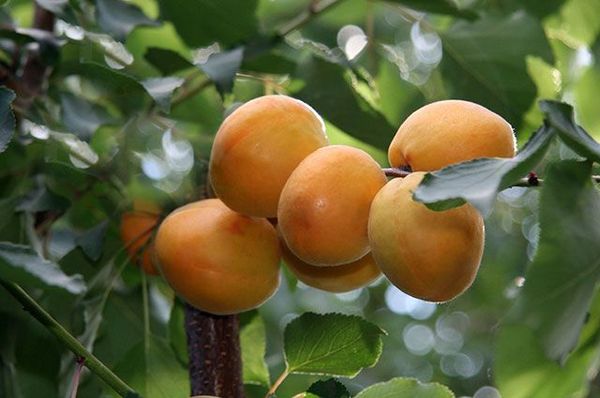
This is due to favorable climatic conditions and a rapid ripening period. In Crimea, some varieties also ripen early. The ripening period is approximately the same as in Armenia. If we analyze several regions, we can note that the ripening period is between July and September.
Today, this crop is grown in various countries and regions. It grows in Crimea, Uzbekistan… It can even be grown in the Rostov Region and Krasnodar Krai. This is one of the main criteria that influences ripening time. Depending on the region, the same variety may yield a harvest earlier or later, with a difference of approximately 1–2 months.
The time to harvest ripe fruit is influenced not only by geographic location. Among external factors, meteorological conditions are also important. Furthermore, the timing depends on soil conditions, timely fertilization, and the application of appropriate fertilizers. Irrigation systems also play a role.
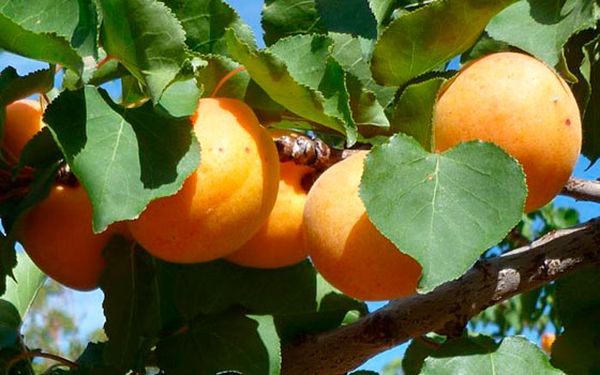
Internal factors play a significant role in determining the timing of fruit ripening. These include tree health, vigor, species characteristics, and yield.
In Crimea, apricot season begins early. Ripe fruits can be picked as early as July. Fruits available for sale can be purchased within the timeframe specified by statistics from the Nikitsky Botanical Garden. Late July is the ripening period for early-ripening varieties. In Crimea, the harvest is harvested much earlier than, for example, in the Krasnodar Krai. This is primarily due to the climate. If a fruit ripens in Crimea in June, it is far from certain that it will also ripen in the Krasnodar Krai at the same time.
Early
In Mediterranean countries, these fruits ripen early. Harvesting is usually possible as early as March. In southern Russia, early apricot varieties ripen in June.
Typically, early varieties of these crops are harvested between June 25 and July 5. Some ripen later, reaching maturity only in the third ten days of July.
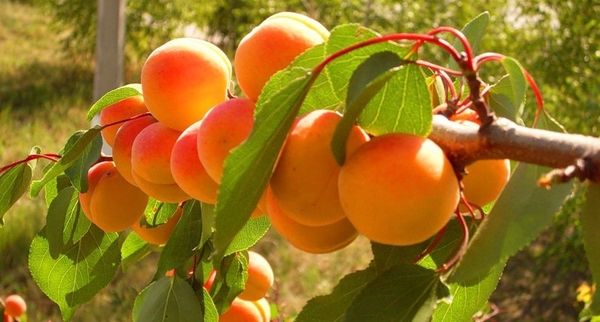
Since these are early varieties, they are eaten fresh. They are not suitable for canning. The fruits of these varieties have a pleasant, slightly sweet flavor and are large in size.
There's also a subspecies called early-mid-season. They ripen in the second half of June. These are primarily table varieties. For example, most of them belong to the Voronezh Rumyany variety.
Average
These are the basic apricot varieties, conventionally divided into Caucasian and Central Asian varieties. These trees bear fruit between July 15th and 25th. For example, the popular Ananasny variety.
In both the Krasnodar Krai and Crimea, ripe fruits of mid-season varieties are harvested at the same time. This period most often occurs in the third ten days of July. However, it is possible to harvest ripe fruits as early as mid-July. The ripening period depends on the variety's origin. The time it takes also varies by region. On average, this period lasts 40 days.
Late
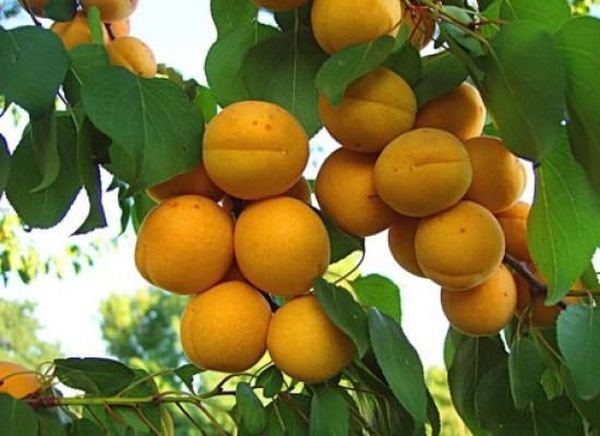
They ripen in late July. Harvest, depending on the region, occurs in late August, usually around the 25th. In Krasnodar and Crimea, these fruits ripen at roughly the same time, as the climate differs little from the peninsula.
In Central Asia, these varieties yield a harvest a month earlier. In Armenia and the Central Caucasus, ripe fruits are harvested in June. Mountainous areas typically experience two ripening patterns: in the upper zones, the fruits ripen a month later, while in the lower zones, they ripen a month earlier.
Video: Planting and Caring for Apricots
This video will teach you how to properly plant and care for apricot trees.