
How to properly cover apricot trees for the winter with your own hands
Content
Action plan
Growing a fruit tree doesn't require much physical or material effort. Even a novice gardener can handle it. In the fall, a series of maintenance procedures should be carried out to gradually acclimate the tree to winter:
- Fertilizing. Once the harvest is fully gathered, fertilizing begins. For this, use mixtures containing phosphorus and potassium. Organic fertilizer proponents use a mixture of crushed chalk and ash. Nitrogen-based fertilizers are avoided during this period, as they stimulate the tree's vital processes, making it unprepared for the coming frosts.
- Whitewashing. This procedure helps protect apricot trees from pests. To prepare the whitewash, mix 2.5 kg of lime, 0.4 kg of copper sulfate, and 1.5 cups of flour paste.
- Pruning. Before the onset of cold weather, perform formative, regulatory, and sanitary pruning. It is essential that the air temperature remains at least 9°C. Formative pruning promotes the even distribution of nutrients within the tree. Regulatory pruning stimulates new growth. Sanitary pruning involves removing damaged, dead, and fungal-infected branches. After pruning, the cut is treated with garden pitch to prevent infection.
Video: "How to Feed an Apricot"
This video will show you how to properly fertilize an apricot tree.
What to cover with
The fruit tree's historical homeland is Armenia, as evidenced by fruit pits found during excavations. This explains the apricot's love of warmth, so in most cases it requires shelter. This is especially true for young trees. However, the degree of insulation required also depends on the climatic conditions of a particular region. Straw, humus, sawdust, hay, and breathable materials are used as shelter.
How to insulate
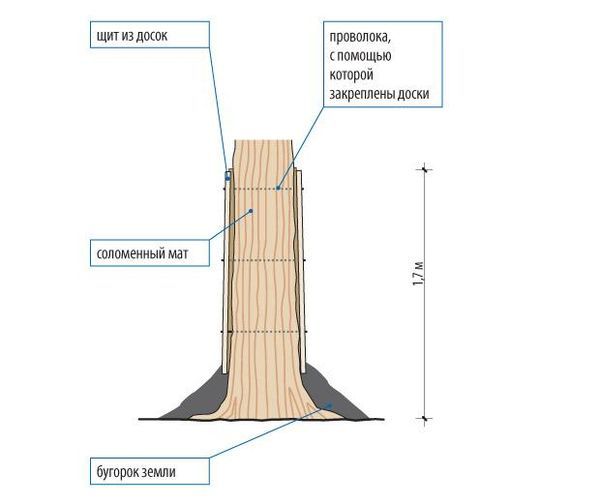
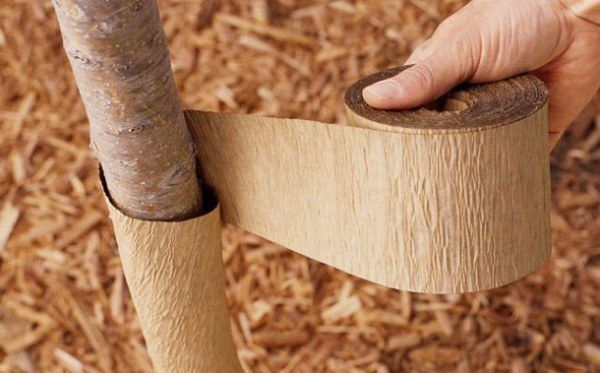
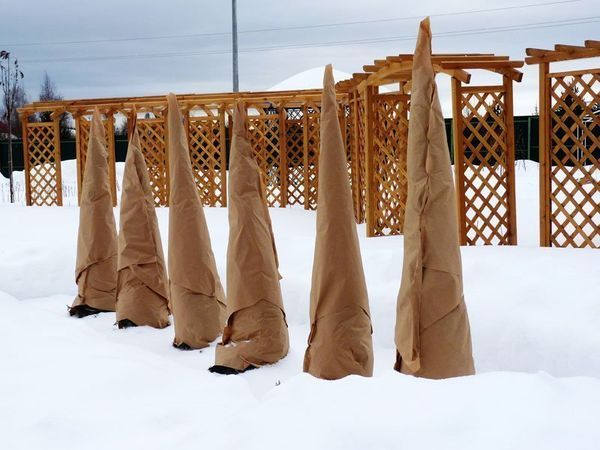
First, you need to insulate the root system. To do this, mulch the area around the trunk with organic materials. Many gardeners cover the soil with dry leaves. This is quite risky, as they can harbor insect pests. To ensure the safety of your garden favorite, you should prepare the leaves yourself: collect them and dry them completely.
For mature trees growing in relatively warm climates, mulch is sufficient. Saplings require more careful protection. Therefore, the trunk and branches of young apricot trees are wrapped in burlap or agrofibre, and in case of severe frost, additionally covered with plastic. When using polyethylene, ensure free oxygen access in the greenhouse; otherwise, the tree's root system may become suffocated and die.
Wintering in the regions
To choose the right shelter for your garden favorite, you need to consider the regional weather conditions. In central Russia, mulching the soil is sufficient for a favorable wintering. In the Moscow region, where temperatures can drop sharply, the tree is insulated with a special material in addition to mulching. Gardeners in the Volga region prune the tree to 3 meters and mulch it with a thick layer of sawdust, straw, or compost. The trunk is then wrapped in agrospan.
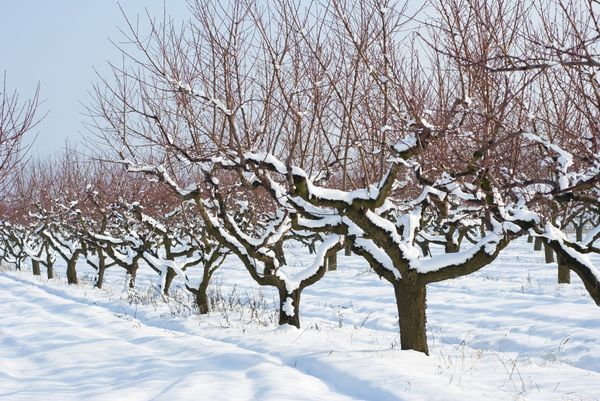
Gardeners in Siberia and the Urals use methods very similar to the previous one, but in addition to insulating the soil and the tree itself, they also ensure water drainage. During snowmelt, all the water is absorbed into the soil, which can lead to root rot and subsequent root rot. Therefore, to avoid this, experienced gardeners first create drainage channels for natural water drainage.
Autumn fruit tree care doesn't require a ton of effort. However, inexperienced gardeners often make the following mistakes:
- Incorrect pruning results in the tree being left with "extra" branches: dry, damaged, old, and not bearing fruit for a long time.
- Insufficient and untimely shelter.
- Neglecting to construct drainage routes. This is only relevant for regions with snowy winters.
Apricots are a fruit that many associate with summer. Grown with love and adherence to basic standards, these fruits will be a true lifesaver for any homemaker. Homegrown apricots are a treasure trove of beneficial properties. They are rich in potassium, phosphorus, magnesium, mineral salts, and a whole host of vitamins.
Regular consumption of fresh or dried fruit has a positive effect on vision, memory, blood vessels and, of course, taste buds.
Having a bucket of homegrown produce on hand will provide you with beneficial minerals and vitamins for the entire winter. Attentive and responsible gardening will guarantee a high-quality and bountiful harvest.