
How and when to plant apricots in open ground
Content
Planting seeds
The apricot tree is considered an easy-to-grow and low-maintenance fruit tree. Can you grow an apricot from a seed, you ask? Growing apricots from a seed is possible, but don't expect the fruit to taste identical to the parent tree. Often, "wild" apricots (as fruit trees grown from seeds are commonly called) have completely different flavor characteristics.
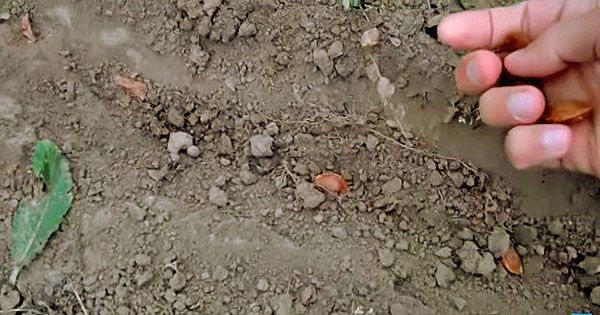
Growing a fruit tree from a seed is a unique experiment. Want to ensure success? Start by choosing the right seeds: choose large, overripe fruits with easily separated seeds. Experienced growers recommend choosing varieties suitable for your region.
So, how do you grow an apricot from a seed? Collect the seeds in the summer, dry them thoroughly, and store them in a cloth bag until autumn. Before planting, the seeds must be soaked in boiled or rainwater (for approximately 1–2 days). They can be planted either in open ground or in flowerpots. Once the seedlings have emerged, they are allowed to harden and then transplanted in the spring. These are all the specifics of growing an apricot tree from a seed.
Planting cuttings
Recently, farmers have been frequently using apricot cuttings for planting. Gardeners note that cuttings can be prepared in the summer, from late June to early July. However, most often, planting material is prepared in the fall. For scions, choose shoots from healthy, young trees. Ideally, the branches should be at least 5 mm in diameter. An ideal scion has three buds, one of which is a growth bud.
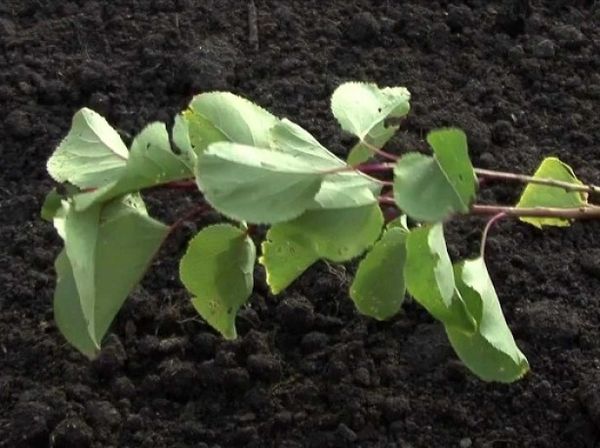
An apricot tree can be grown from a cutting by grafting it onto a fruit tree of another variety or species. Among farmers, the most common methods of propagation are half-cleft, cleft, bridge, or rootstock bark cuttings.
Planting seedlings
Not sure how to plant an apricot sapling? Experienced gardeners recommend choosing varieties that are adapted to the weather and climate conditions of a specific region. For example, varieties such as Syn Krasnoshchyokgo, Monastyrsky, Uspekh, Iceberg, Michurinets, and others are best suited for the northern region.
When choosing an apricot sapling, pay attention to the color of the bark: dark brown or red bark is typical of winter-hardy varieties, while light green is typical of southern fruit crops. To avoid fraud, purchase planting material only from specialized stores or trusted sellers.
Today, buyers are offered both grafted and ungrafted seedlings. Grafted seedlings offer a more developed plant, which contributes to a higher survival rate. The key criteria for choosing a good seedling include:
- thick trunk branches (no thorns or small spines);
- double and triple kidneys;
- a small growth at the base of the graft;
- one-, two- or three-year-old tree;
- living root system.
Before planting in open ground, the seedling must be prepared. If you purchased a young tree with a closed root system, remove the container and lightly shake the tree when repotting. Do this carefully and gently to avoid damaging the rhizome.
Bare-root apricots are inspected for dry and rotted roots, which should be removed. Healthy roots are trimmed back by 1/3 of their length. The seedling is then placed in a clay slurry containing mullein. This procedure will prevent the plant from drying out and improve initial soil contact during planting.
Preparing a landing site
The next step is choosing and preparing a site for planting the apricot tree in your home garden. Apricots are a heat- and light-loving fruit tree that doesn't tolerate drafts or flat surfaces. Apricot seedlings are often planted in light, sandy loam soil with good air circulation and a slightly alkaline or neutral pH. This tree also thrives in clay soil, but in this case, areas with a shallow water table should be avoided.
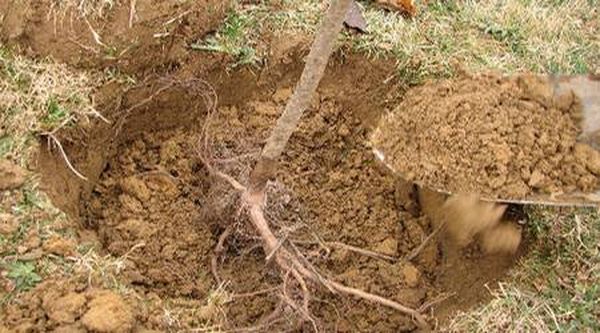
Let's begin preparing the planting hole. Its approximate dimensions are 80 x 80 x 80 cm. Don't forget to create a drainage system using large pebbles, broken brick, and rocks. The planted apricot tree will thrive if fertilized. The best fertilizer is a mixture of humus (30–40 kg), superphosphate (approximately 600 g), and 2 kg of ash, or 200–300 g of potassium sulfate.
Timing of planting seedlings
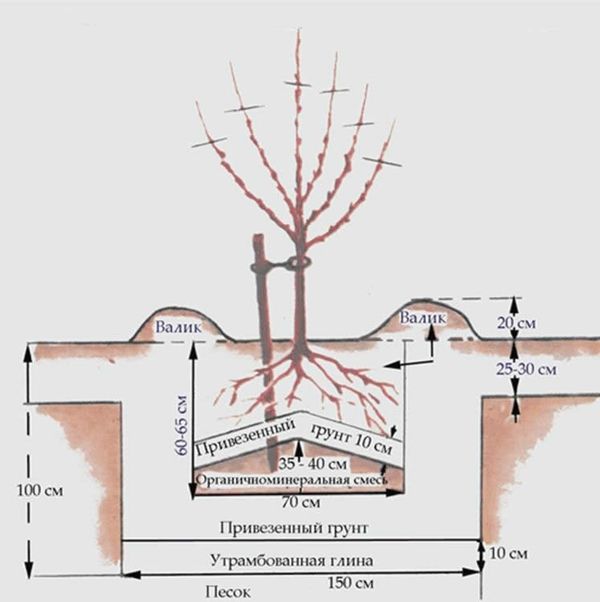
When to plant an apricot tree? This question is often asked by gardeners trying to plant a fruit tree for the first time. Is it better to plant an apricot tree in spring or fall? Planting apricot seedlings in spring is considered the most appropriate and practical, as the newly established tree will have time to establish itself and grow strong before the cold weather sets in. Experienced farmers recommend planting fruit tree seedlings in open ground during the spring rains and before the buds open.
If you decide to plant a tree in the fall, try to do it in September. Unfortunately, fall planting is considered less successful, as early winter frosts can negatively affect a fruit tree that hasn't yet fully established itself.
Planting diagram
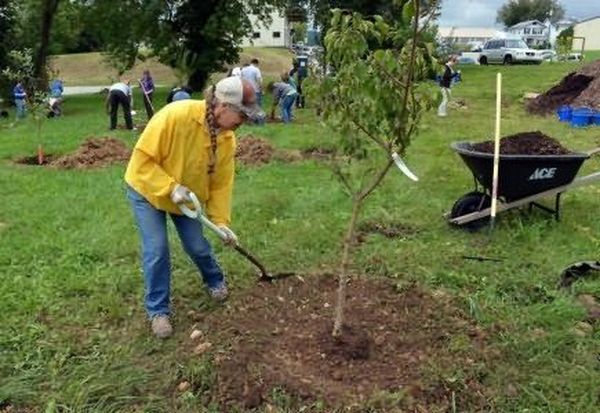
The seedlings have been purchased and prepared, the planting location and time have been determined, and the planting hole has been prepared – it's time to plant the apricot tree. How do you plant an apricot tree, you ask? The quantity and quality of the harvest depend on proper planting and cultivation.
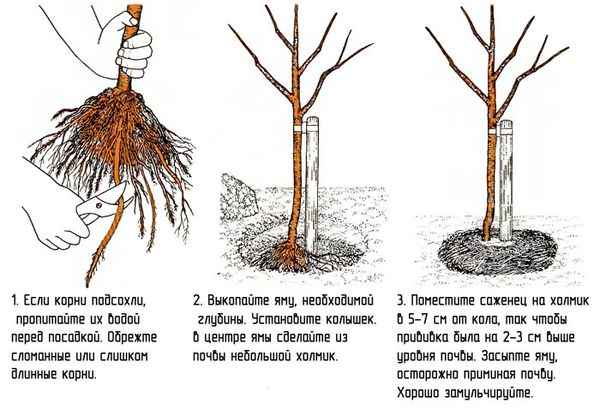
So, we offer you step-by-step instructions for planting an apricot tree:
- Make a planting hole with a drainage system.
- Add fertilizer to the hole.
- Prepare the seedling for planting.
- The tree should be rooted in such a way that the root collar is approximately 5–6 cm above ground level.
- Fill the rhizome with soil carefully and gently.
- Lightly compact the soil in the tree trunk circle.
- Water the plant generously.
- The soil in the tree trunk circle can be mulched with humus.
When planting several trees, try to maintain a distance between seedlings.
Apricot is an unpretentious tree; even inexperienced novice gardeners can plant and care for this fruit crop.
Video: Preparing a Hole and Planting a Sapling
This video will show you how to properly prepare a hole for a tree and plant a seedling.