
Review and benefits of growing apricot hybrids
Content
The best hybrids
Constant experimentation not only by botanists but also by amateur gardeners reveals new and unusual flavor and color facets of familiar fruits. Many of us are certainly familiar with the nectarine, a hybrid of peach and plum. But did you know that there is a plum-apricot hybrid? Have you heard of a peach-apricot-plum hybrid? These combinations are currently considered the best apricot hybrids.
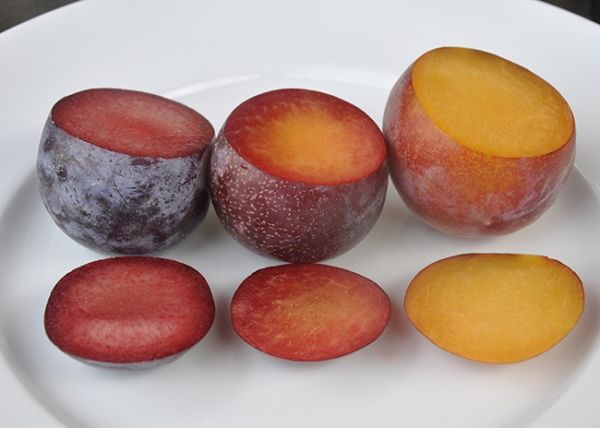
They have rather unusual names, and their appearance is exotic. As for their flavor, it's so varied that it sometimes has the wonderful aftertaste of other fruits, like persimmon. Naturally, they're not often found in ordinary people's gardens, but you can always try growing your own.
With plum
The plum-apricot hybrid is perhaps the most common variety of the crop. The popular and widespread hybrid variety "Valentin" is often encountered. Experienced gardeners know that the hybrid is divided into two varieties, depending on which fruit is most prominent.
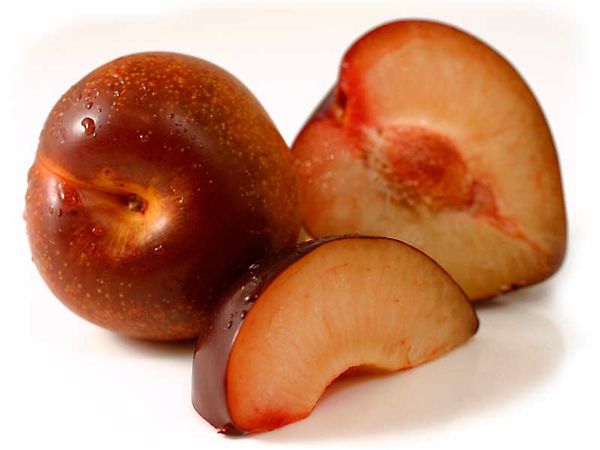
The aprium is a fruit developed in the late 20th century by an American breeder. It is composed of three-quarters apricot and only a quarter plum. The shape and texture of the aprium's flesh resembles that of a persimmon. The fruit has an unusually distinct aroma and excellent flavor. The skin is smooth, like a plum, and the flesh is dense and not as juicy as plums and apricots, more like a persimmon.
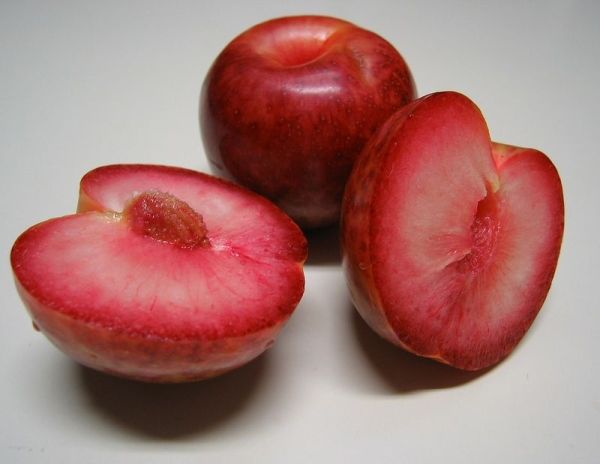
Pluot is the second hybrid variety, also originating in the United States. Its fruits are predominantly plum (appearance and texture) and contain only 25% apricot (taste and aroma). Its wonderful and unusually sweet flavor makes it ideal for delicious desserts and drinks, and its decorative appearance will enhance any arrangement. In addition to its remarkable flavor, the tree is noted for its early fruiting and frost resistance.
With cherry plum
This fruit has such a unique appearance that it's impossible to miss. This is precisely why the hybrid is called "black apricot." Initially, the fruits are a typical green color, but darken as they ripen. The fruits have an excellent, unique flavor and store well for a long time. They are suitable for eating fresh, as well as for making jams, preserves, and compotes. Delicious fruit isn't the tree's only advantage. The hybrid is frost-resistant, develops slowly in spring, and blooms late, eliminating the risk of frost. Furthermore, the plant bears fruit regularly, producing a consistent yield.
With peach
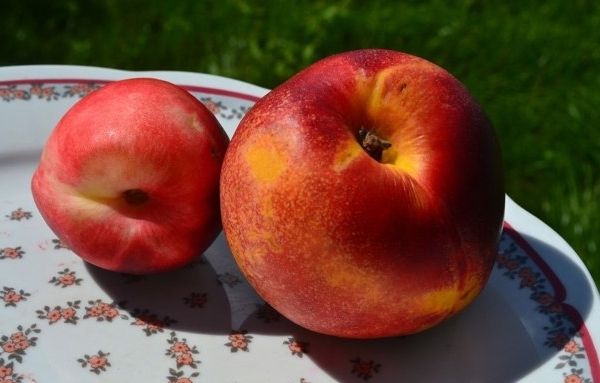
Another popular variety is a hybrid of apricot and peach. The fruit's characteristics are closer to those of apricots, but the magnificent peach flavor is quite distinct. The fruits are large and, like the aprium, resemble persimmons when ripe. The dense texture of the flesh is more reminiscent of that of an unripe persimmon. Ripe fruits are very juicy, with a sweet and sour taste. Unlike peaches, the hybrid boasts excellent winter hardiness and requires less care. Therefore, growing the tree in central Russia is easy.
Plum, apricot, peach
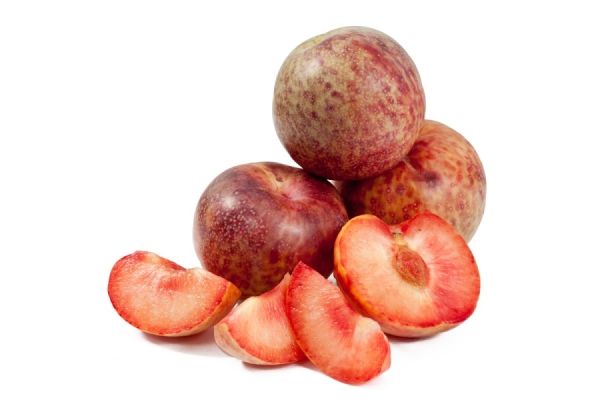
Another unusual fruit combination is called Sharafuga. The cross between these stone fruits resulted in a fruit resembling a plum in color, an apricot in flavor (with a plum-peach aftertaste), and the size of a small apple. The round, purple-violet fruits are very juicy and sweet. Another advantage of the fruit is the easily separated pit. Sharafuga is also characterized by excellent transportability and shelf life. The tree is frost-hardy and begins bearing fruit in the fifth year after planting.
The plant bears fruit regularly and generously.
Pros and cons
When developing a new crop, breeders strive to ensure that the hybrid incorporates only the best traits from the crops they crossed. However, even hybrid forms have both advantages and disadvantages. The undeniable advantages include:
- remarkable external characteristics of the fruits, obtained as a result of many trials and selections;
- extraordinary taste qualities of fruits that combine the flavor palette of their “parents” and have their own unique aftertaste;
- high yield and regular fruiting;
- resistance to cold and frost, diseases and parasites;
- self-pollination of plants, which greatly simplifies the process of caring for them.
But there are also disadvantages that simply cannot be ignored:
- difficulties in breeding hybrid plants, since it is impossible to obtain seeds from them;
- the cost of planting material will be much higher than that of “pure” varieties and crops;
- fastidiousness to growing conditions;
- grow and develop well only in fertile soil, so the use of various fertilizers will be required;
- inability to tolerate either extreme drought or excessive waterlogging, which will significantly complicate the selection of an optimal watering regime;
- inability to tolerate extreme temperature changes, which can destroy the plant.
After weighing all the pros and cons, you can come to the conclusion that it is still worth trying to grow a hybrid in your garden.
Besides, what common crops don't have their drawbacks? However, proper care and patience will still yield positive results. And is it even possible to resist the temptation to enjoy the new, unusual flavor of familiar fruits? The results will be worth the effort.
Video: "Planting Apricots"
This video will show you how to properly plant apricot trees.